Mira Murati Drops Her First AI Model After Leaving OpenAI—And It's Fully Open Source
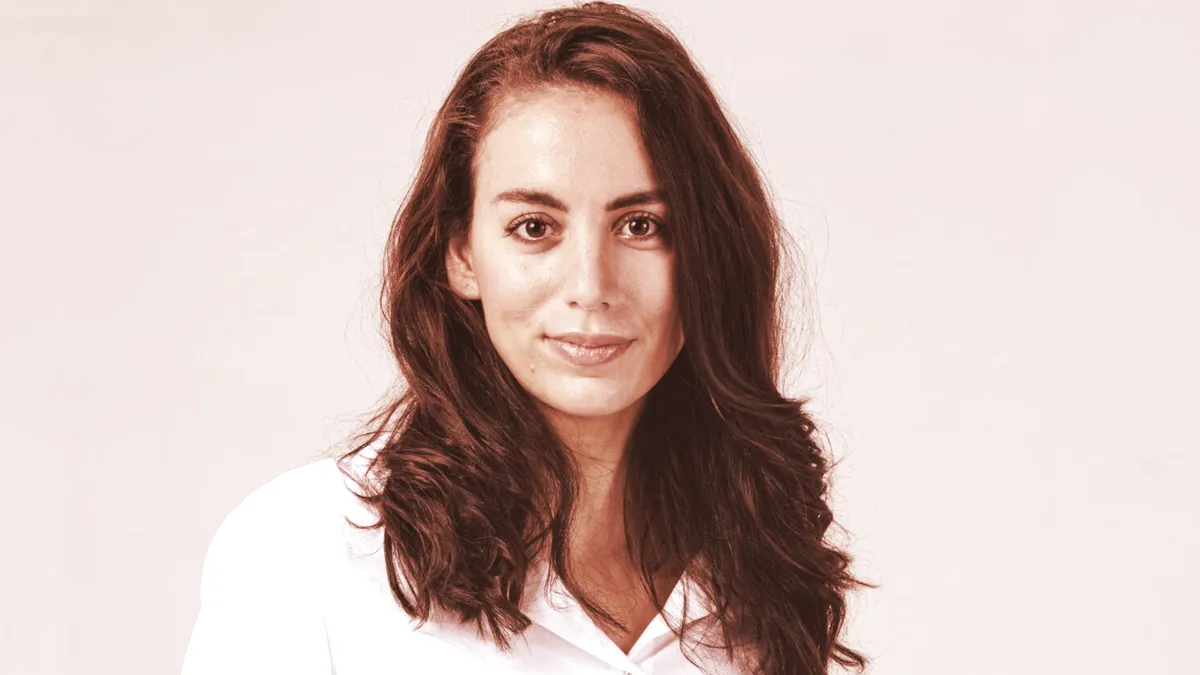
Mira Murati, the former Chief Technology Officer at OpenAI, has made headlines with the launch of her first AI model, Inkling, following her departure from the organization. This open-source model has been designed to provide Western developers with access to a resource they have lacked until now–a fully open-source AI model that enables greater customization and transparency in development. While Inkling may not surpass the leading Chinese open-weight models in terms of performance, its significance lies in its accessibility and the opportunities it presents for innovation among developers in the West.
Mira Murati's journey in the AI landscape has been marked by significant contributions at OpenAI, where she played a pivotal role in developing some of the most advanced AI technologies. Her departure from OpenAI has raised eyebrows and sparked discussions about the future of AI development outside of the powerful tech giants. Inkling represents a shift in her focus towards creating tools that empower independent developers and smaller organizations, reinforcing her commitment to fostering a more democratized approach to AI.
The introduction of Inkling is particularly important for the market as it addresses a pressing need for open-source solutions in AI. With many of the leading models dominated by a few players, there has been a growing demand for alternatives that allow developers to experiment without the constraints of proprietary systems. Inkling's arrival may encourage innovation and collaboration in the AI community, potentially leading to advancements that could influence various sectors–ranging from healthcare to finance–where tailored AI solutions are crucial.
Reactions within the industry have been largely positive, with many experts praising Murati's initiative to create an open-source model. Some see Inkling as a much-needed tool that could invigorate the Western AI landscape, fostering creativity and allowing smaller players to compete with established entities. Others have pointed out that while Inkling may not rival top Chinese models immediately, it represents a foundational step toward developing more competitive alternatives. The importance of open-source in promoting transparency and ethical considerations in AI development cannot be overstated, and Murati's move has resonated with those advocating for responsible AI practices.
Looking ahead, the success of Inkling will depend on community engagement and the extent to which it can build a vibrant ecosystem around it. The open-source model encourages collaboration, which could lead to rapid improvements and updates based on user feedback. As more developers experiment with Inkling, we may see a surge in innovative applications and use cases that highlight its potential. The AI landscape is continually evolving, and Murati's Inkling could play a crucial role in shaping the future of open-source AI development.

CoinMagnetic Team
Crypto investors since 2017. We trade with our own money and test every exchange ourselves.
Updated: July 2026
From our insights:
Related news

Bitcoin falls below $81,000 as Asian equities see sharp declines

Crypto market wipeout triggers nearly $1 billion in liquidations across majors

Federal Reserve rate fears pressure bitcoin alongside an 8 percent Kospi drop
Developer replicates Microsoft Office suite using Anthropic AI tool

Illinois groups seek summary judgment to permanently block 0.2% crypto tax