Microsoft warns users of 'Crypto Clipper' malware spread via USB drives

Microsoft recently issued a warning regarding the emergence of a new malware strain known as "Crypto Clipper," which is being disseminated through USB drives. This malware poses a significant threat by not only stealing sensitive data but also allowing remote code execution. According to Microsoft, this dual functionality transforms what is typically a financially motivated data thief into a lightweight backdoor that can be exploited further by cybercriminals. The implications of this development are concerning, particularly for cryptocurrency users who are often targets for such malicious schemes.
The context behind this warning is rooted in the rising sophistication of cyber threats targeting digital assets. Crypto Clipers have been a persistent issue in the crypto world, but the introduction of USB drives as a delivery mechanism marks a worrying trend. Historically, malware has spread predominantly through phishing emails or compromised websites, but the use of physical devices like USB drives introduces a new vector for infection. This method can easily bypass many security measures, especially in environments where users may unknowingly plug in unverified devices.
This situation is particularly crucial for the cryptocurrency market, where the stakes are high and user vigilance is paramount. The potential for stolen private keys or access to cryptocurrency wallets exacerbates the risks posed by Crypto Clipper malware. As more individuals engage with blockchain technologies and decentralized finance, the need for robust security measures becomes increasingly important. If users are not adequately informed about the risks associated with USB drives and cryptocurrencies, it could lead to significant financial losses and undermine confidence in the digital asset space.
Industry experts have reacted with concern to Microsoft's announcement, emphasizing the need for heightened cybersecurity awareness among cryptocurrency users. Many are advocating for best practices, including avoiding the use of unknown USB drives and employing advanced security tools to detect and mitigate malware threats. Security professionals are also urging organizations to implement comprehensive training programs to educate employees about the dangers of malware and the importance of safeguarding sensitive information.
Looking ahead, the crypto community must remain vigilant as cyber threats continue to evolve. The emergence of Crypto Clipper malware is just one example of how malicious actors are adapting their tactics to exploit vulnerabilities in the rapidly growing digital asset market. As we continue to navigate this landscape, it will be critical for users and industry stakeholders to stay informed about potential risks and implement robust security measures to protect their assets and data from evolving threats.

CoinMagnetic Team
Crypto investors since 2017. We trade with our own money and test every exchange ourselves.
Updated: June 2026
From our insights:
Related news

Bitcoin surges past $86,000 as $1 billion in shorts are liquidated, eyes on $90,000
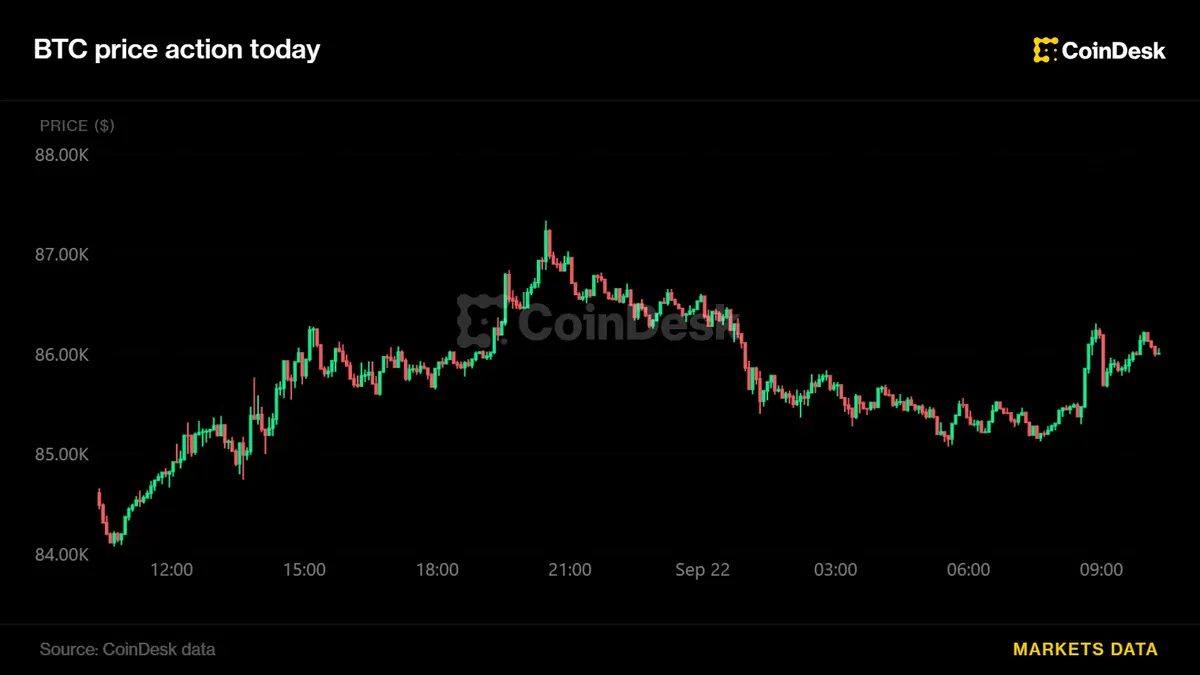
Bitcoin bounces back to $86,000 as oil prices decline and stocks rise

Prediction markets projected to reach $10 trillion by 2035, surpassing sports
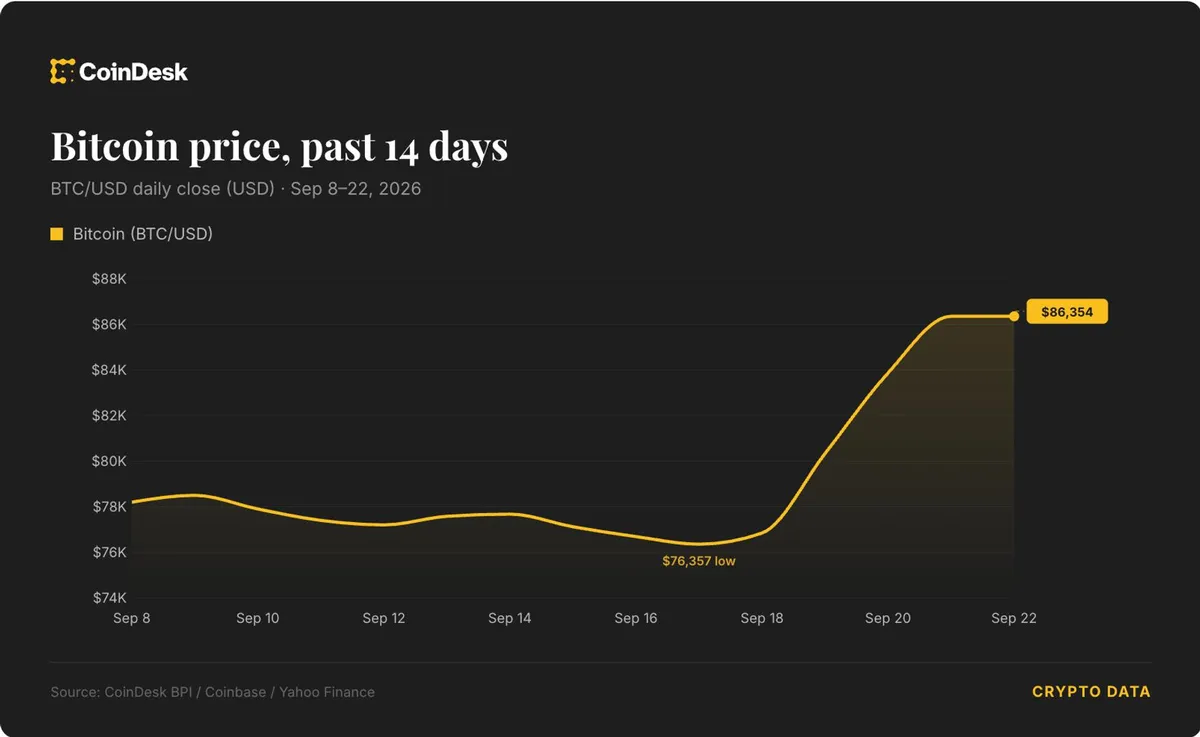
Iran hints at reopening Strait of Hormuz, WTI oil drops to $89

New altseason signal emerges as Bitcoin market cap stays under 60%