Michigan Federal Judge Rules Sports Prediction Markets Are Not Under CFTC Purview

A recent ruling by a federal judge in Michigan has significant implications for the future of sports prediction markets, particularly for the platform Polymarket. The judge determined that Polymarket is unlikely to succeed in its legal challenge against state regulators, effectively stating that the platform does not fall under the purview of the Commodity Futures Trading Commission (CFTC). This decision comes amid ongoing debates regarding the regulatory landscape surrounding online prediction markets, which have become increasingly popular in recent years.
To provide some context, Polymarket operates as a decentralized prediction market, allowing users to bet on the outcomes of various events, from sports to politics. Such platforms have gained traction as they offer a unique way to engage with current events, but they have also drawn scrutiny from regulators concerned about consumer protection and the potential for gambling-related harms. The CFTC has historically taken an interest in markets that resemble futures trading, leading to uncertainty about how prediction markets should be classified under existing regulations.
This ruling is important for the broader market as it could set a precedent for how similar platforms operate without facing stringent regulatory oversight. If the judge's decision holds, it may embolden other prediction markets to launch or expand their services, potentially increasing competition and innovation in the sector. Conversely, it could also prompt regulators to reassess their approach to these platforms, particularly if they believe they pose risks to consumers or the integrity of online gambling markets.
Industry experts have expressed a mix of relief and caution regarding the ruling. Some view it as a positive step toward the legitimization of prediction markets, allowing them to operate more freely without the heavy hand of regulation. However, others warn that the lack of oversight might lead to unintended consequences, such as increased fraud or exploitation of users who may not fully understand the risks involved. The debate highlights the need for a balanced regulatory framework that protects consumers while fostering innovation.
Looking ahead, the implications of this ruling could lead to further legal battles as both state and federal regulators continue to clarify their stances on prediction markets. As the landscape evolves, stakeholders will be closely monitoring developments to see how they influence the market dynamics, user engagement, and regulatory approaches in the ever-changing world of cryptocurrency and online betting.

CoinMagnetic Team
Crypto investors since 2017. We trade with our own money and test every exchange ourselves.
Updated: June 2026
From our insights:
Related news
Iran hints at reopening Strait of Hormuz, WTI oil drops to $89

New altseason signal emerges as Bitcoin market cap stays under 60%

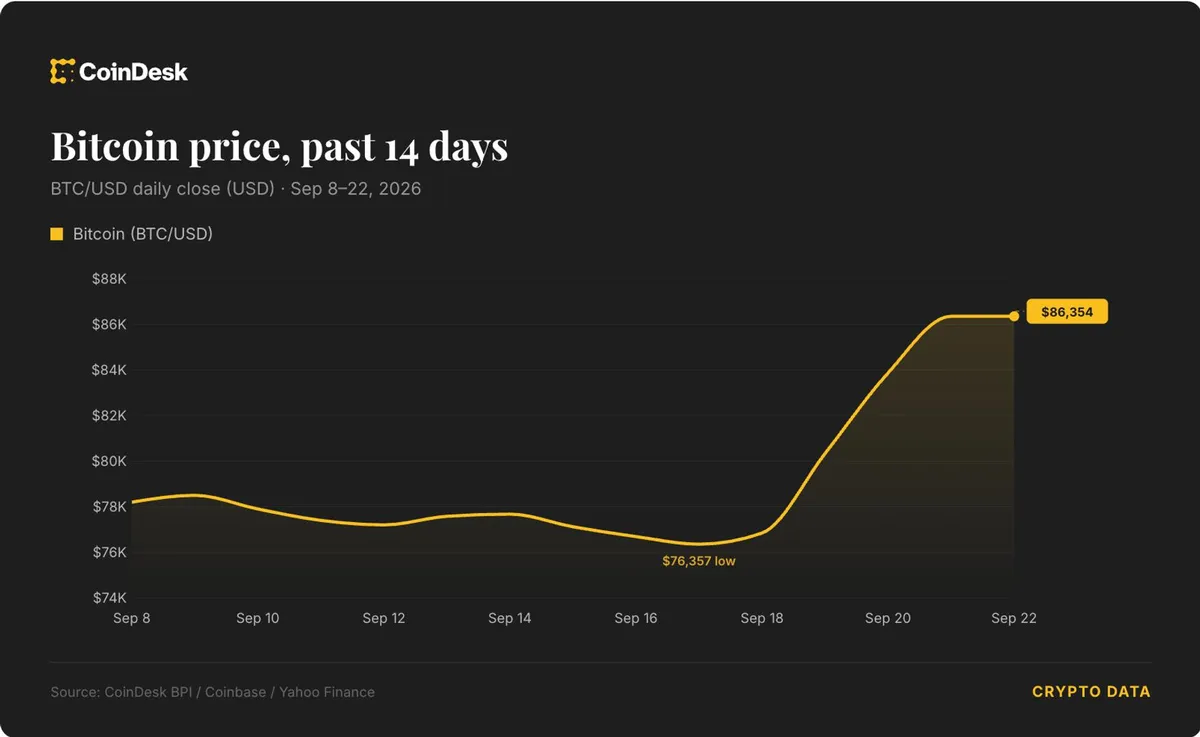
Bitcoin nears $86,000 as crypto market cap surpasses $3 trillion

Bitcoin's weekly close above $81,000 signals potential rise to $90,000

Elon Musk's X integrates bitcoin trading options for U.S. users