Michael Saylor's Strategy signals potential bitcoin sale to fund dividends obligations

Michael Saylor, the co-founder and executive chairman of MicroStrategy, has recently put forth a strategy that could lead to the sale of a significant portion of the company's Bitcoin holdings. This proposal comes in light of a staggering $12.54 billion loss reported by MicroStrategy in the first quarter. Saylor's suggestion to utilize Bitcoin sales to support dividend obligations has sparked discussions within the crypto community and raised questions about the long-term strategy of one of the largest institutional holders of Bitcoin.
To understand the implications of Saylor's proposal, it's essential to consider the background of MicroStrategy's relationship with Bitcoin. The company famously pivoted to investing in Bitcoin in 2020, viewing it as a hedge against inflation and a strategic asset for its balance sheet. Since then, MicroStrategy has accumulated a substantial Bitcoin reserve, which has been a cornerstone of its corporate strategy. However, the recent financial losses have prompted some analysts to question the sustainability of this approach, particularly if it leads to divestment from their Bitcoin assets to meet other financial obligations.
This proposed strategy matters significantly for the broader cryptocurrency market, as MicroStrategy's decisions often influence investor sentiment. Should the company proceed with selling its Bitcoin holdings, it could lead to increased selling pressure in the market, potentially causing a dip in Bitcoin's price. Additionally, it may signal to other institutional investors that even the most prominent advocates of Bitcoin are reconsidering their positions–creating a ripple effect that could shake confidence in Bitcoin's long-term value as a reliable asset.
Industry reactions have been mixed, with some experts expressing concern about the potential implications for Bitcoin's price stability. Others argue that MicroStrategy's situation is unique and may not reflect the broader market conditions. Analysts emphasize that while selling Bitcoin could provide a short-term solution for dividend obligations, it poses risks that could undermine the company's long-term investment strategy. Notably, Saylor's historical commitment to Bitcoin has garnered both loyalty and skepticism from investors–making this a pivotal moment for his leadership and the company's future.
Looking ahead, the path forward for MicroStrategy remains uncertain. If Saylor chooses to go through with selling some of the company's Bitcoin, it could mark a significant shift in how institutional investors approach their crypto holdings. Conversely, should he find alternative funding methods to meet dividend obligations without liquidating Bitcoin, it may reinforce confidence in the cryptocurrency as a long-term asset. As we monitor the developments in this situation, the market will likely remain on edge, waiting to see how this plays out for both MicroStrategy and the broader crypto ecosystem.

CoinMagnetic Team
Crypto investors since 2017. We trade with our own money and test every exchange ourselves.
Updated: May 2026
From our insights:
Related news
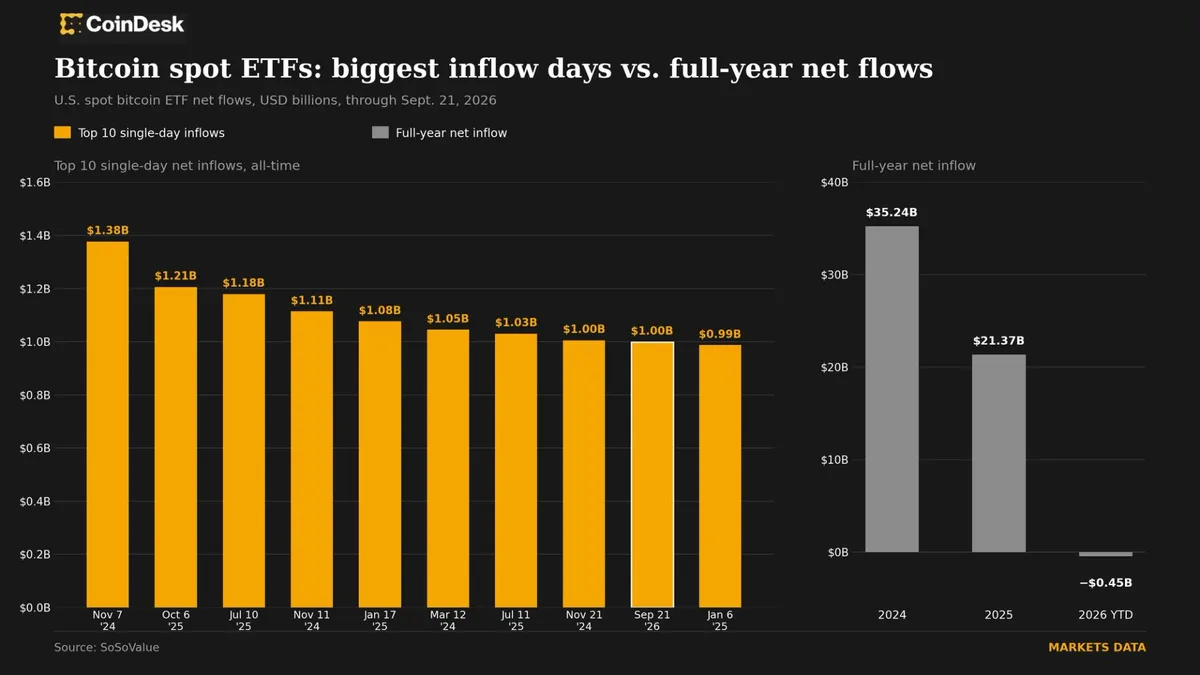
Spot bitcoin ETFs see nearly $1 billion inflow as bitcoin hits January highs

US spot Bitcoin ETFs see nearly $1 billion inflow, highest since October 2025

Bitcoin's rise to $86,000 restores profitability for ETF investors

Apple and Google seek crypto experts, signaling potential stablecoin initiatives

ECB initiates bond purchases using its own funds in crypto-linked system