Michael Saylor’s Strategy is now tracking bitcoin’s 200-week moving average
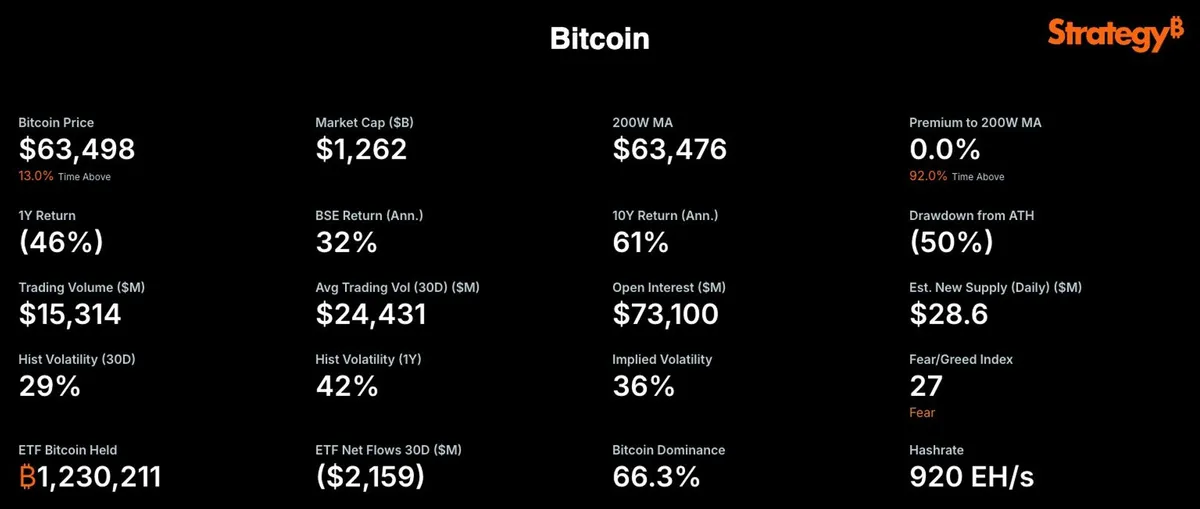
Michael Saylor’s company, Strategy, has recently announced that it is now tracking Bitcoin’s 200-week moving average, an indicator that has historically served as a significant support level for the cryptocurrency. This development comes in the context of ongoing volatility in the crypto market, with many investors looking for reliable metrics to inform their trading strategies. The 200-week moving average is seen as a long-term trend indicator, providing insights into the asset's price movements over extended periods. Saylor’s focus on this metric signifies a concerted effort to align investment strategies with established market behavior.
To understand the implications of this decision, it is essential to consider the historical context of Bitcoin’s price movements. The 200-week moving average has functioned as a critical threshold, where the price tends to bounce back during downturns. In the past, Bitcoin has shown a tendency to respect this level, often recovering from dips when the price approaches it. This metric is particularly relevant during bearish phases, as it provides a foundation for long-term investors to gauge the asset's potential for recovery and growth.
The significance of Saylor’s strategy cannot be understated, especially in a market characterized by uncertainty and rapid price fluctuations. By focusing on the 200-week moving average, Saylor and his team are signaling a shift toward a more disciplined and analytical approach to Bitcoin investment. This could influence other investors and institutions to adopt similar strategies, potentially stabilizing the market as more players rely on historical data and long-term perspectives. As Bitcoin continues to grapple with its price trajectory, the emphasis on such technical indicators could play a crucial role in shaping market sentiment.
Industry experts have weighed in on Saylor’s new strategy, highlighting the potential for both positive and negative outcomes. Some analysts view this approach as a wise move, suggesting that it may serve to bolster confidence among institutional investors who are wary of the current market volatility. Others caution that while the 200-week moving average has historical significance, it is not infallible; there are concerns that external factors–such as regulatory changes and macroeconomic conditions–could disrupt its reliability. Overall, reactions have been mixed, reflecting the diverse perspectives within the crypto community.
Looking ahead, it will be interesting to see how this strategy unfolds in practice. If Bitcoin remains above its 200-week moving average, it could reinforce the idea that the cryptocurrency is on a path to recovery, attracting more long-term investors. Conversely, if the price dips below this crucial level, it may raise alarms and prompt a reevaluation of investment strategies across the board. As we continue to monitor Saylor’s approach, the broader implications for the crypto market will likely become clearer, possibly setting the stage for new trends in investment practices.

CoinMagnetic Team
Crypto investors since 2017. We trade with our own money and test every exchange ourselves.
Updated: August 2026
From our insights:
Related news

Ripple adds XRP payments to Stripe and Tempo’s AI standard in new developer kit
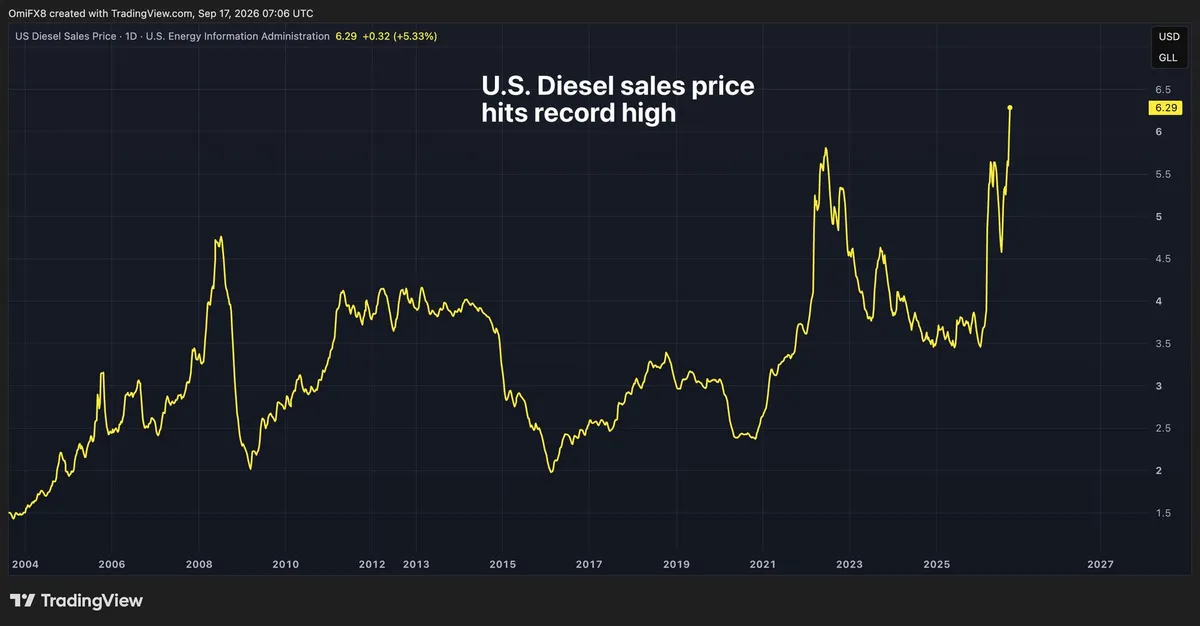
Record U.S. diesel prices signal potential inflation and more Fed rate hikes

Celsius estate claims BitMEX wrongfully seized 6,360 BTC during market crash
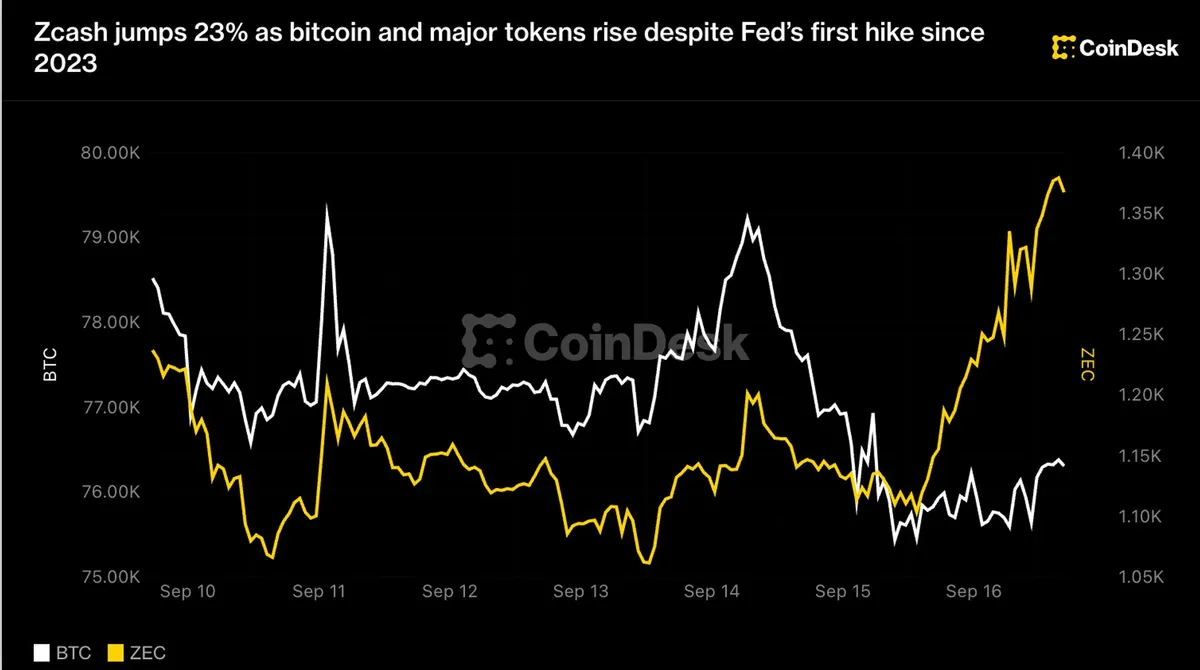
Zcash surges 23% as Bitcoin tops $76,000 amid Fed rate hike news

Ethereum client estimates diverge, raising concerns over network stability