Michael Saylor gets into public debate over claims that Strategy's latest share sale was dilutive
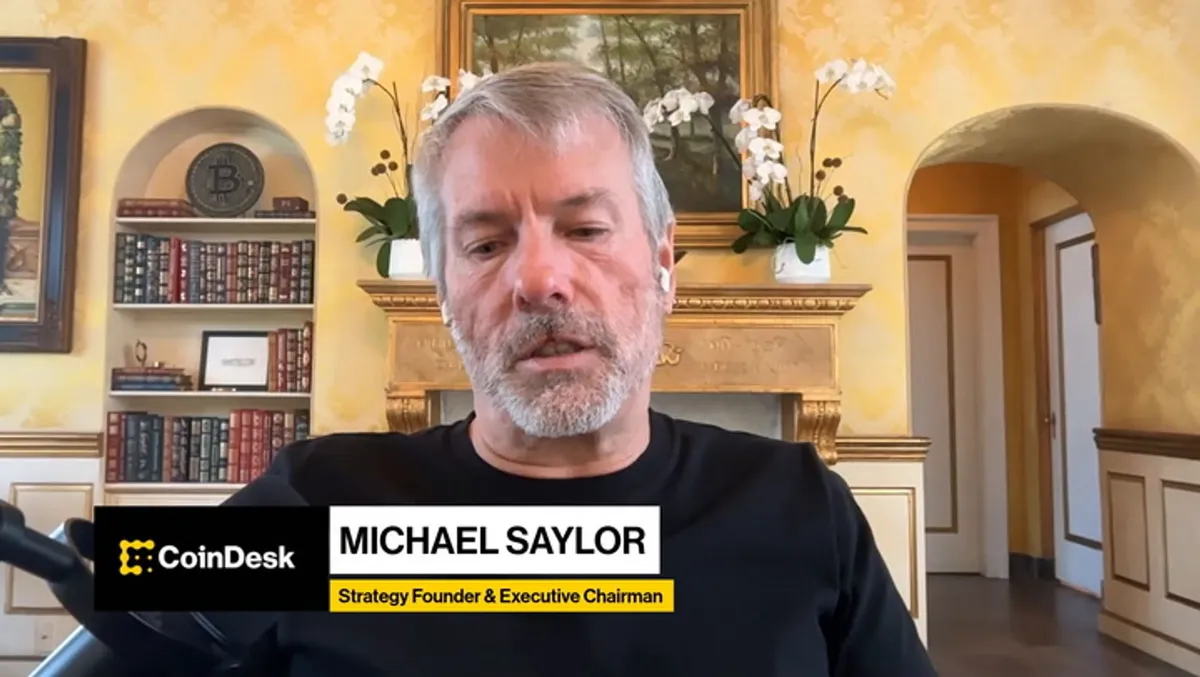
Michael Saylor, the co-founder of MicroStrategy, recently found himself at the center of a heated debate on social media platform X regarding the implications of his company’s latest share sale to fund additional Bitcoin purchases. Following the announcement, Strategy's BTC Yield experienced a decrease from 13.0% to 12.8%, raising concerns among shareholders about whether this move was dilutive to their interests. Saylor took to X to defend the strategy, arguing that the long-term benefits of Bitcoin acquisition outweigh the short-term yield impacts, sparking a lively discussion among investors and analysts alike.
To fully understand this situation, it’s essential to consider the context of MicroStrategy's ongoing investment strategy. The company has been one of the most prominent institutional holders of Bitcoin, accumulating significant amounts over the past few years. Saylor has been a vocal advocate for Bitcoin, often promoting it as a superior asset class compared to traditional forms of investment. The latest share sale was part of a broader initiative to bolster MicroStrategy's Bitcoin reserves, a strategy that Saylor believes will ultimately benefit shareholders by enhancing the company's balance sheet and market position.
The implications of this debate extend beyond MicroStrategy itself, as it opens up critical discussions about the nature of corporate treasury management in the crypto landscape. For many investors, the dilution of shares can be a red flag, indicating that a company's leadership may not be prioritizing shareholder value. However, Saylor’s steadfast commitment to Bitcoin has created a divide in opinions, with some investors applauding the long-term vision while others express concerns over immediate financial impacts. The outcome of this debate may influence how other companies approach Bitcoin acquisitions and capital raises in the future.
Industry experts have weighed in on the controversy, with mixed reactions highlighting the complexity of the situation. Some analysts argue that Saylor's approach is indicative of an evolving market where traditional metrics of success–like yield–may not apply in the same way as they do for conventional investments. Others caution that such strategies could alienate a portion of the shareholder base that is more risk-averse or focused on short-term returns. The nuances of this debate reflect the larger conversation surrounding Bitcoin as an asset class and its integration into corporate financial strategies.
Looking ahead, it remains to be seen how this debate will influence MicroStrategy's stock performance and broader market sentiment. As the company continues to make bold moves in the cryptocurrency space, shareholders will likely be keeping a close eye on the outcomes of these strategies. The ongoing discussions on platforms like X indicate an engaged investor community, eager to dissect the implications of corporate decisions in the fast-evolving world of crypto finance. As more companies consider similar paths, the lessons learned from MicroStrategy’s experience could shape the future of corporate engagement with Bitcoin and other cryptocurrencies.

CoinMagnetic Team
Crypto investors since 2017. We trade with our own money and test every exchange ourselves.
Updated: June 2026
From our insights:
Related news

Bitcoin's weekly close above $81,000 signals potential rise to $90,000

Elon Musk's X integrates bitcoin trading options for U.S. users

Dogecoin's 15% surge drives market recovery as bitcoin stabilizes above $85,000

Cardano adds tools for AI agent payments, joining Solana and XRP Ledger

Trueo prediction market moves from Base to Ethereum