Michael Saylor floated Bitcoin sales idea to avoid 'impairing' the asset

Michael Saylor, the executive chairman of MicroStrategy, recently stirred discussions in the cryptocurrency community by floating the idea of potentially selling some Bitcoin holdings to avoid "impairing" the asset's value. During a recent interview, Saylor emphasized the need for a reevaluation of the company's strategy regarding its substantial Bitcoin reserves. He suggested that the traditional mantra of "never sell" could inadvertently lead to negative consequences for the cryptocurrency market, particularly if it results in a significant drop in Bitcoin's price. This perspective has prompted a wave of reactions, as it challenges a long-standing belief among many Bitcoin advocates.
To understand the context behind Saylor's comments, it's essential to consider MicroStrategy's aggressive acquisition strategy over the past few years. The company has invested heavily in Bitcoin, amassing over 140,000 BTC as part of its corporate treasury strategy. This approach has positioned MicroStrategy as a prominent player in the Bitcoin space, but it also ties the company's financial health closely to the performance of Bitcoin. Given the volatility of the cryptocurrency market, Saylor's remarks highlight the balancing act that companies like MicroStrategy must perform to safeguard their assets while navigating market fluctuations.
The implications of Saylor's comments for the market are significant. If more institutional investors begin to entertain the idea of selling Bitcoin to protect against potential losses, it could lead to a more cautious approach across the board. This shift could affect market sentiment, as a wave of sales might pressure Bitcoin prices downward, creating a feedback loop of fear and volatility. Conversely, if Saylor's suggestions lead to a more strategic approach to managing Bitcoin assets, it might instill confidence in other investors, potentially stabilizing the market in the long run.
Industry experts have weighed in on Saylor's remarks, offering a mix of support and skepticism. Some analysts argue that his proposal reflects a necessary evolution in thinking about Bitcoin as a corporate asset, emphasizing the importance of risk management. On the other hand, purists within the Bitcoin community may view any discussion of selling as a betrayal of the asset's foundational principles, which center on scarcity and long-term holding. This divide underscores the ongoing debate within the cryptocurrency space about how to best navigate the complexities of investing in digital assets.
Looking ahead, it remains to be seen how MicroStrategy will respond to the challenges posed by Bitcoin's volatility and market dynamics. Saylor's comments may prompt the company to explore new strategies for managing its Bitcoin holdings, including risk mitigation tactics or diversification into other assets. As the cryptocurrency landscape continues to evolve, how companies like MicroStrategy adapt will be crucial in shaping the future of institutional investment in Bitcoin and its overall market perception.

CoinMagnetic Team
Crypto investors since 2017. We trade with our own money and test every exchange ourselves.
Updated: May 2026
From our insights:
Related news

SoFi begins stablecoin settlement on Mastercard network for program expected to exceed $25 billion in annualized volume

A $3.2 million 'bitcoin butterfly' option trade bets on $95,000 by the end of October

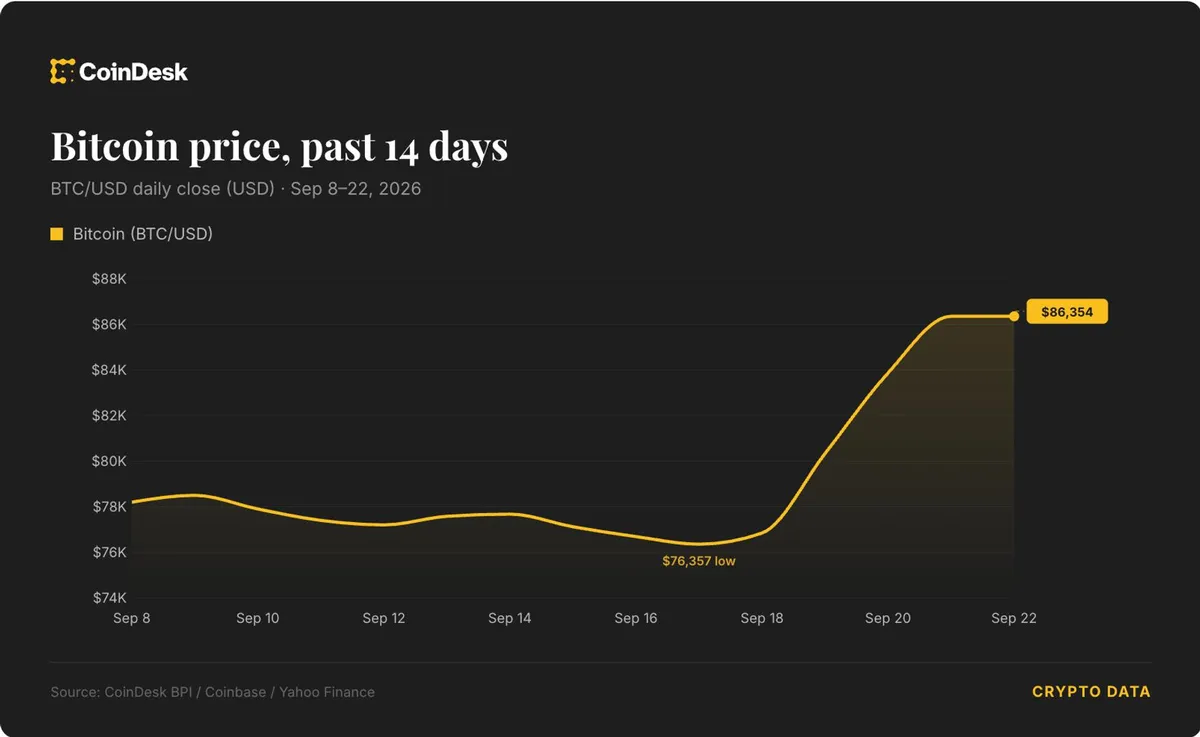
Bitcoin surges past $86,000 as $1 billion in shorts are liquidated, eyes on $90,000
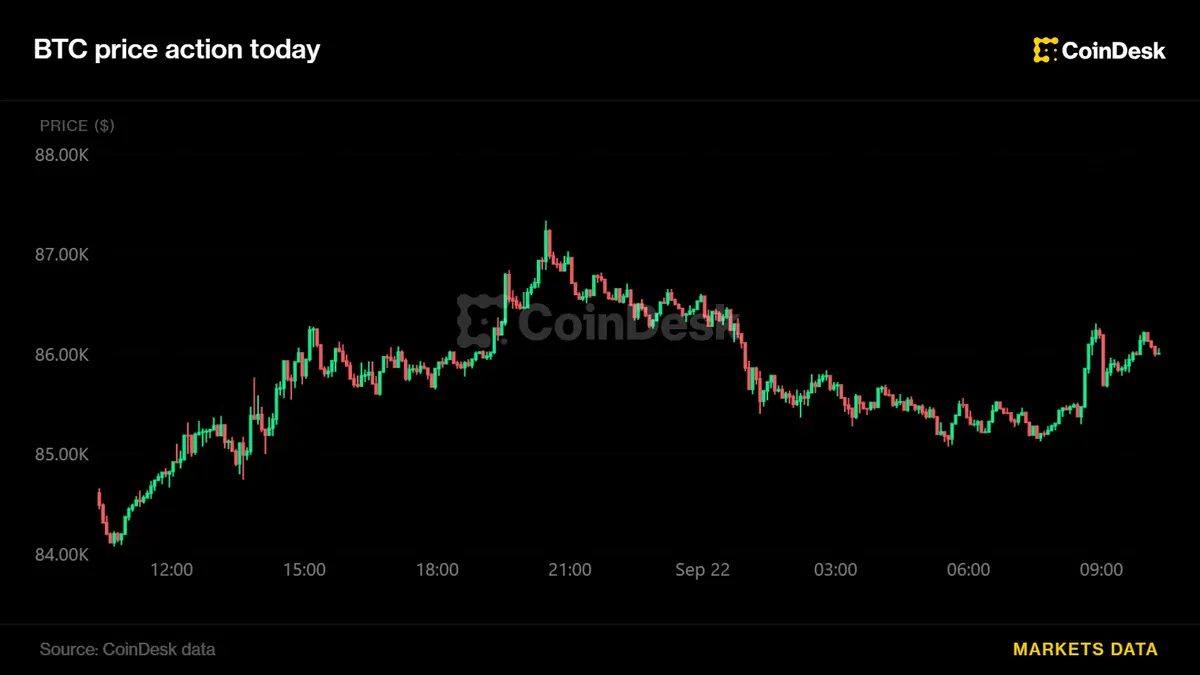
Bitcoin bounces back to $86,000 as oil prices decline and stocks rise

Prediction markets projected to reach $10 trillion by 2035, surpassing sports