MiCA deadline likely to shift smaller crypto apps into licensed custody rails

The recent developments surrounding the Markets in Crypto-Assets (MiCA) regulation are set to have significant implications for smaller crypto applications. As the European Union moves closer to enforcing these regulations, many smaller players in the crypto space are likely to shift towards licensed custody solutions to ensure compliance. This trend is exemplified by BitGo's recent Bielik deal, which highlights how customer access can be maintained while the underlying infrastructure becomes increasingly regulated. With the MiCA deadline approaching, these shifts may become more pronounced as smaller apps seek to navigate the complexities of compliance.
Contextually, MiCA represents a monumental step in the European Union's approach to regulating the crypto market. The regulation aims to create a unified framework that promotes transparency and security while safeguarding consumers. As MiCA takes effect, smaller crypto applications may find it challenging to meet stringent compliance requirements without the support of established custodians. By aligning themselves with licensed custody solutions, these smaller entities can leverage the infrastructure and expertise of larger firms, thereby reducing their own compliance burdens.
The potential shift towards licensed custody rails is crucial for the market as it indicates a trend toward greater institutionalization within the crypto ecosystem. While some may view this as a limitation for smaller players, it could also pave the way for increased legitimacy and trust in the industry. As regulatory scrutiny intensifies, the ability of smaller applications to offer compliant services may depend heavily on partnerships with established custodians. This could lead to a more secure environment for users, fostering greater confidence in the crypto market as a whole.
Industry reactions to this evolving landscape have been mixed. Some experts argue that the shift towards licensed custody will ultimately benefit the industry by ensuring a higher standard of compliance and security. Others, however, express concerns that smaller applications may struggle to compete in a landscape dominated by larger, regulated entities. The balance between innovation and regulation remains a contentious topic, with many industry leaders advocating for a framework that supports both growth and compliance.
Looking ahead, the implications of the MiCA regulation will likely continue to unfold as the deadline approaches. Smaller crypto applications may need to adapt rapidly to these changes, potentially leading to a wave of mergers and partnerships with licensed custodians. As the crypto landscape evolves, it will be essential for all market participants to remain vigilant and responsive to the changing regulatory environment, ensuring that innovation can thrive within a compliant framework.

CoinMagnetic Team
Crypto investors since 2017. We trade with our own money and test every exchange ourselves.
Updated: June 2026
From our insights:
Related news

Bitcoin's weekly close above $81,000 signals potential rise to $90,000

Elon Musk's X integrates bitcoin trading options for U.S. users
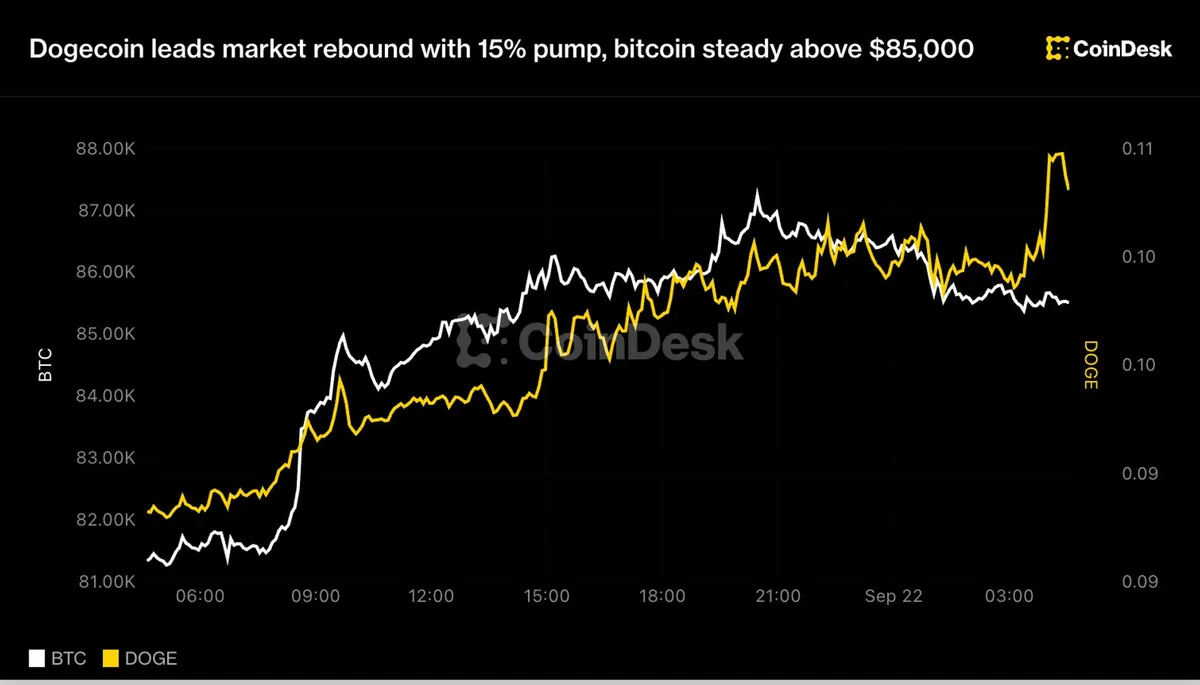
Dogecoin's 15% surge drives market recovery as bitcoin stabilizes above $85,000

Cardano adds tools for AI agent payments, joining Solana and XRP Ledger

Trueo prediction market moves from Base to Ethereum