Regulated European platforms phase out USDT despite steady global demand
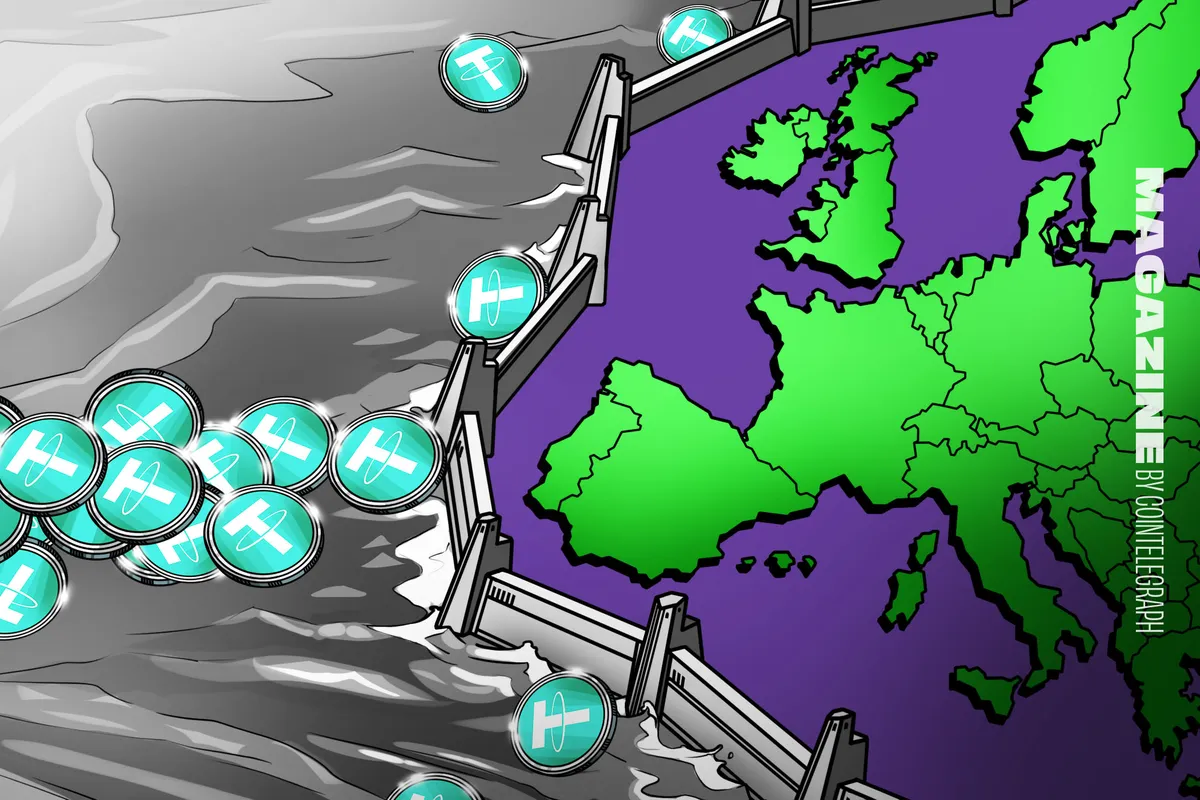
In a significant move, European regulatory authorities have begun to impose restrictions on Tether (USDT), leading to its gradual disappearance from regulated platforms across the continent. The Markets in Crypto-Assets (MiCA) regulation is at the forefront of these changes, aiming to create a more structured framework for digital assets in the European Union. As a result, exchanges and trading platforms operating under MiCA guidelines are now opting to delist USDT, raising concerns about the stablecoin's future in Europe.
The context surrounding this crackdown is rooted in the broader regulatory landscape for cryptocurrencies in Europe. With increasing scrutiny on stablecoins, especially those not backed by traditional financial assets, regulators are keen to ensure that all digital currencies comply with necessary transparency and risk management standards. Tether, being one of the largest and most widely used stablecoins, has been a focal point for regulators aiming to mitigate risks associated with potential market manipulation and the lack of backing transparency.
Despite these developments in Europe, it appears that the global demand for USDT remains largely unaffected. Data suggests that traders continue to utilize Tether as a preferred stablecoin, especially in regions outside Europe where regulatory frameworks are less stringent. This situation indicates a potential divergence between regional regulatory actions and global market behavior, highlighting the challenges faced by regulators in a highly interconnected digital asset ecosystem.
Industry reactions to the MiCA regulations and the delisting of USDT have been mixed. Some experts argue that stricter regulations can lead to a healthier market in the long run, fostering greater confidence among investors. Others, however, caution that such measures might drive trading activity to unregulated platforms, potentially increasing risks for consumers. The sentiment reflects a broader debate within the crypto community about the balance between regulation and innovation.
Looking ahead, it will be interesting to observe how Tether navigates these regulatory challenges in Europe and whether it will adapt its operations to comply with MiCA standards. Meanwhile, the continued resilience of USDT in global markets suggests that while Europe may be tightening its grip on stablecoins, the demand for Tether and similar digital assets remains robust elsewhere.

CoinMagnetic Team
Crypto investors since 2017. We trade with our own money and test every exchange ourselves.
Updated: August 2026
From our insights:
Related news

Crypto firms face challenge of user retention after years of product development

Japan imposes sanctions on Garantex for aiding Russia's financial evasion

Crypto job postings triple to over 1,200 in September, but applications fall

AI agents' spending habits require investor attention, says Cathie Wood

Pope criticizes AI art for missing human touch, seeks artist alliance