Meta Unveils New Tech That Uses AI to Translate Brain Activity Into Text—Without Surgery
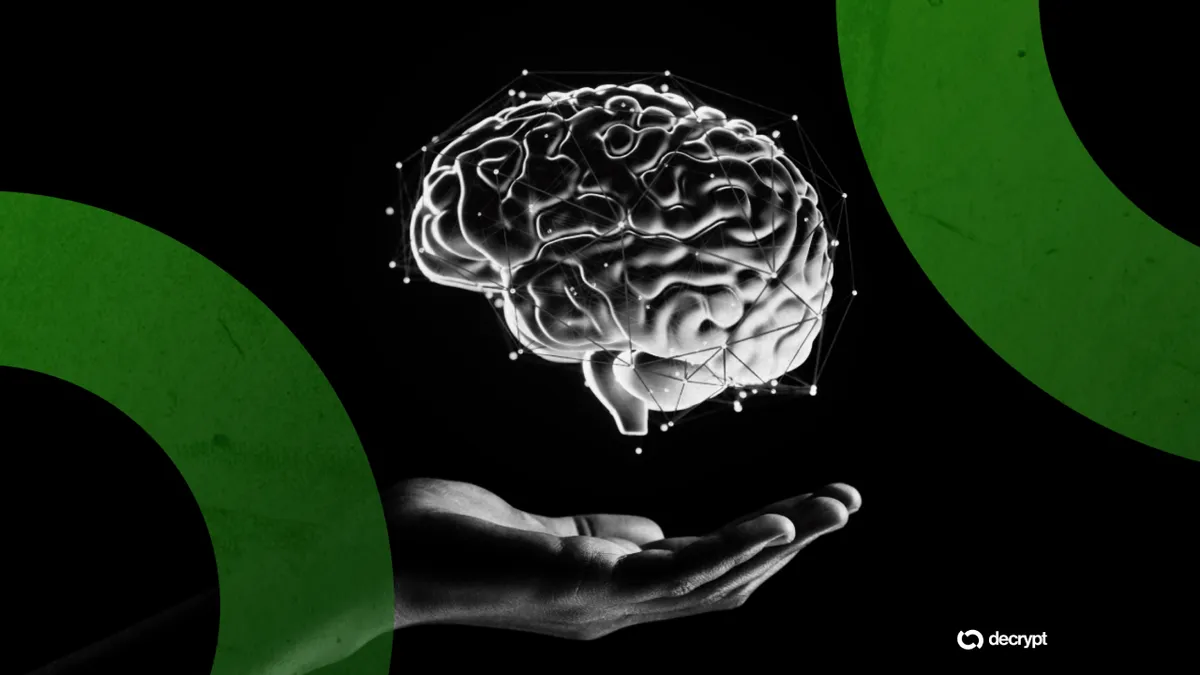
Meta has recently introduced a groundbreaking technology called Brain2Qwerty, which aims to transform brain activity into text without the need for surgical intervention. This innovative system utilizes non-invasive brain recordings to interpret neural signals, translating them into coherent sentences. The implications of such a technology are vast, as it could significantly enhance communication for individuals with disabilities or those unable to speak. By leveraging advanced artificial intelligence techniques, Meta claims to have improved the accuracy of neural decoding, marking a significant leap forward in the realm of brain-computer interfaces.
To fully appreciate the significance of Brain2Qwerty, it is essential to understand the context in which it was developed. Over the years, the field of brain-computer interfaces has made strides, primarily focusing on invasive methods that involve surgical procedures to implant devices in the brain. While these methods have shown promise, they carry risks and ethical concerns. Non-invasive techniques, like the one employed by Brain2Qwerty, offer a safer alternative, allowing researchers and developers to explore the potential of direct communication between the brain and computers without compromising patient safety.
The introduction of Brain2Qwerty could have profound implications for the market, particularly in sectors focused on assistive technologies and healthcare. As the technology matures, it may lead to new products and services that enhance the quality of life for those with communication impairments. Furthermore, the cognitive computing and AI sectors could see a surge in investment and interest, as companies and researchers strive to leverage this breakthrough for various applications, from augmenting human communication capabilities to creating entirely new user interfaces.
The reaction from industry experts has been largely positive, with many praising Meta's commitment to advancing non-invasive neurotechnology. Some researchers believe that this technology could pave the way for future innovations in AI and machine learning, particularly in the realm of natural language processing. However, there are also cautionary voices that emphasize the need for rigorous ethical considerations and privacy safeguards as this technology develops. Ensuring that users' neural data is handled securely will be paramount in gaining public trust and acceptance.
Looking ahead, the future of Brain2Qwerty and similar innovations appears promising but uncertain. Meta's next steps will likely involve refining the technology and conducting extensive testing to prove its reliability and effectiveness. Additionally, collaboration with healthcare providers and regulatory bodies will be crucial in navigating the landscape of ethical considerations surrounding brain-computer interfaces. As this field evolves, it will be essential to monitor how such advancements impact not only technology but also society at large.

CoinMagnetic Team
Crypto investors since 2017. We trade with our own money and test every exchange ourselves.
Updated: June 2026
From our insights:
Related news

Investigation ties $18.4 million in Robinhood Chain memecoins to rug-pull scheme

Solana's efforts for equitable trading face hurdles as block producers control order inclusion
OpenAI agent breaches Australian government site, highlighting AI control issues

Researchers unveil three strategies to address Bitcoin's quantum vulnerabilities

New Bitcoin proposal rescues locked multisig wallets – At a hidden cost