Meta's new patent could track user actions via facial recognition cameras
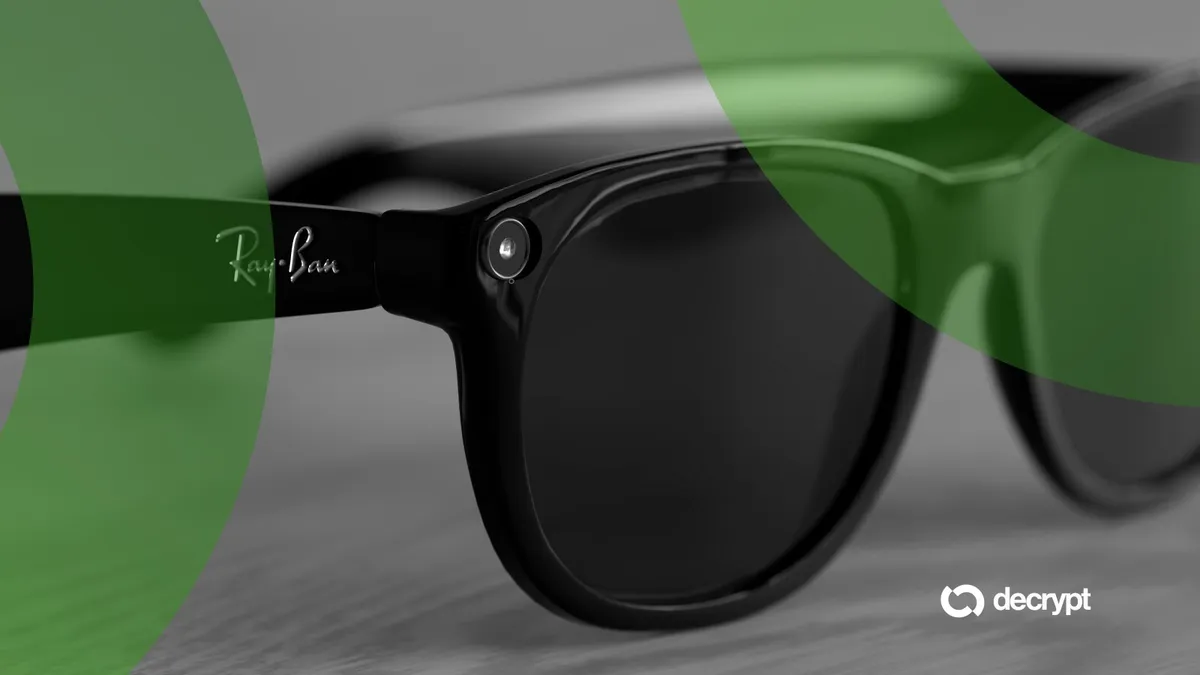
Meta has filed a patent for a facial recognition technology that could transform raw video footage into labeled clips, identifying individuals and logging their actions without requiring explicit user consent. This innovation aims to enhance the company’s capabilities in tracking and analyzing user interactions, potentially leading to more personalized experiences and targeted advertising. The patent describes a system that could automatically tag faces and actions in videos, creating a database of user behavior that can be accessed for various applications.
The context surrounding this patent highlights the ongoing evolution of privacy concerns associated with technology companies, particularly those that collect and analyze user data. Meta, previously known as Facebook, has faced scrutiny over its handling of personal information and how it uses facial recognition technology. The new patent filing reflects the company's desire to stay at the forefront of technological advancements while navigating the delicate balance of user privacy and data utilization.
This development is significant for the market as it signals a potential shift in how companies utilize surveillance and tracking technologies. If implemented, it could lead to a proliferation of similar technologies across various sectors, raising questions about ethical standards and regulatory frameworks. Investors and stakeholders will be watching closely to see how Meta's patent influences the competitive landscape and impacts user trust in digital platforms.
Industry reactions to this patent have been mixed, with some experts acknowledging the potential benefits of advanced data analytics for businesses, while others express concern over privacy implications. Privacy advocates have voiced alarm at the prospect of automated surveillance systems that could operate without user consent, emphasizing the need for regulatory oversight to protect individuals from invasive data practices. As discussions around user privacy and consent continue, this patent filing serves as a reminder of the evolving relationship between technology and society.
Looking ahead, it remains to be seen how Meta will move forward with this technology and whether it will choose to implement it in its products. As regulatory pressures increase and public sentiment shifts regarding privacy, the company may need to address these concerns proactively. The outcome of this patent and its potential applications will likely be a focal point in the ongoing dialogue about the future of technology and user rights.

CoinMagnetic Team
Crypto investors since 2017. We trade with our own money and test every exchange ourselves.
Updated: August 2026
From our insights:
Related news

CryptoQuant says bitcoin correction could be near as traders’ unrealized profit hits 21-month high

OpenAI launches always-on AI agents with dedicated computers at DevDay 2026

Cboe, S&P Dow Jones may explore tokenized options contracts under extended licensing deal

Comer expands inquiry into Crypto.com, Hyperliquid, and PredictIt over trades and identities

BBC Director-General Deems AI-Generated Doctor Who Episode 'Pretty Good'