Memecoin trades carry rare 'seven-leg' parlay odds, BONK's Nom says at Consensus
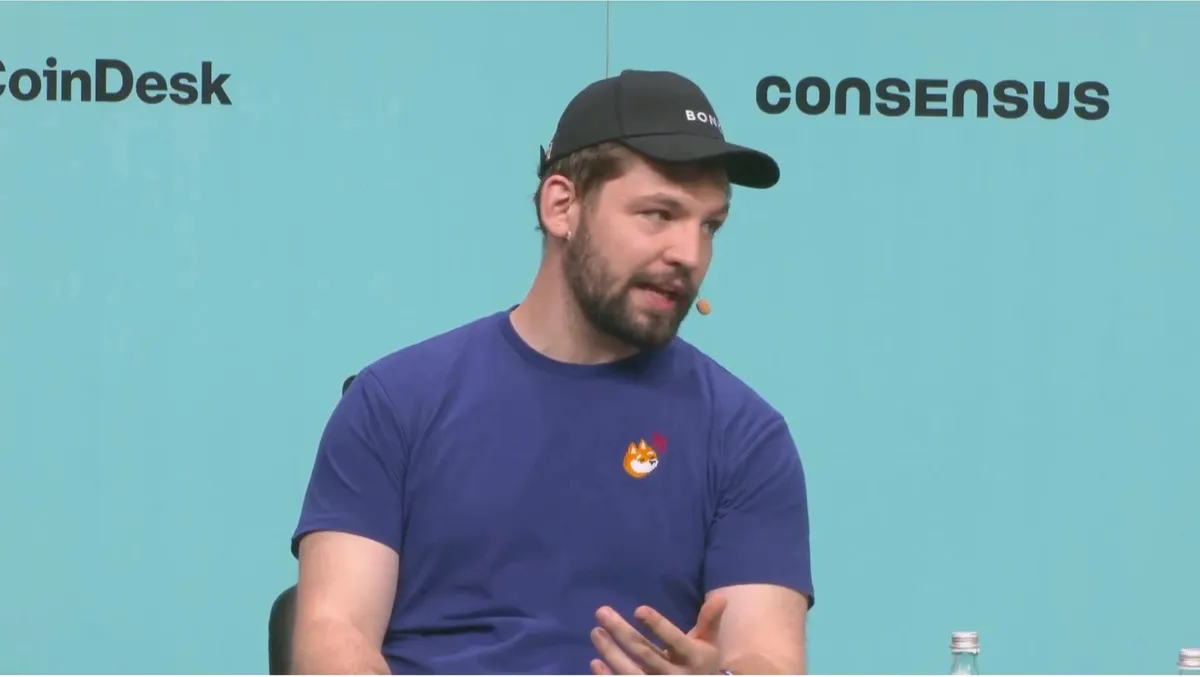
At the recent Consensus conference, a core contributor from the BONK community highlighted a noteworthy trend in the memecoin market, specifically referencing the unique trading dynamics that characterize these assets. They pointed out that memecoins often operate outside traditional financial frameworks, such as exchange-traded funds (ETFs) and public company regulations. This lack of adherence to conventional financial structures means that retail investors frequently find themselves at a disadvantage, particularly as these coins can exhibit extreme volatility and unpredictable price movements. The speaker illustrated this phenomenon by discussing the concept of "seven-leg parlay odds," suggesting that investing in memecoins can feel akin to placing a series of high-risk bets in sports gambling.
To fully understand this commentary, it's essential to consider the evolution of memecoins in the cryptocurrency landscape. Initially, these tokens emerged as jokes or memes, often built on community engagement rather than fundamental technology or business models. However, they have grown into a significant segment of the crypto market, attracting both retail investors and speculators. The rise of memecoins has coincided with increasing mainstream attention toward cryptocurrencies, yet their inherent lack of regulation and oversight raises concerns about investor protection and market stability.
The implications of this situation are considerable for the broader market. As more retail investors flock to memecoins, drawn by the potential for quick gains, the risks associated with these investments become increasingly pronounced. The BONK contributor's comments suggest that without regulatory frameworks akin to those governing more traditional financial assets, retail investors may bear the brunt of the volatility. This could lead to a cycle where inexperienced investors are drawn in, only to suffer significant losses when the market turns. Consequently, this trend could undermine confidence in the cryptocurrency space as a whole, particularly among those who may be considering entering the market for the first time.
Industry reactions to the BONK contributor's remarks have been mixed. Some experts agree that the lack of regulation in the memecoin space poses significant risks for retail investors, emphasizing the need for increased oversight to protect individuals from potential losses. Others argue that the very nature of memecoins–rooted in community and culture–creates a space where traditional financial metrics do not apply, and thus, regulation may stifle innovation. This ongoing debate highlights the tension between fostering a vibrant crypto ecosystem and ensuring investor safety.
Looking ahead, the future of memecoins may hinge on how the regulatory landscape evolves in response to these concerns. As authorities worldwide continue to grapple with how best to approach cryptocurrencies, memecoins will likely remain in the spotlight. Investors and industry participants will need to tread carefully, staying informed about potential regulatory changes that could impact the market dynamics of these unique assets. The BONK community's perspective may serve as a cautionary tale, reminding all stakeholders of the importance of due diligence in a space that is as unpredictable as it is enticing.

CoinMagnetic Team
Crypto investors since 2017. We trade with our own money and test every exchange ourselves.
Updated: May 2026
From our insights:
Related news
Bitcoin ETFs attract nearly $1B in a single day as holders regain profitability
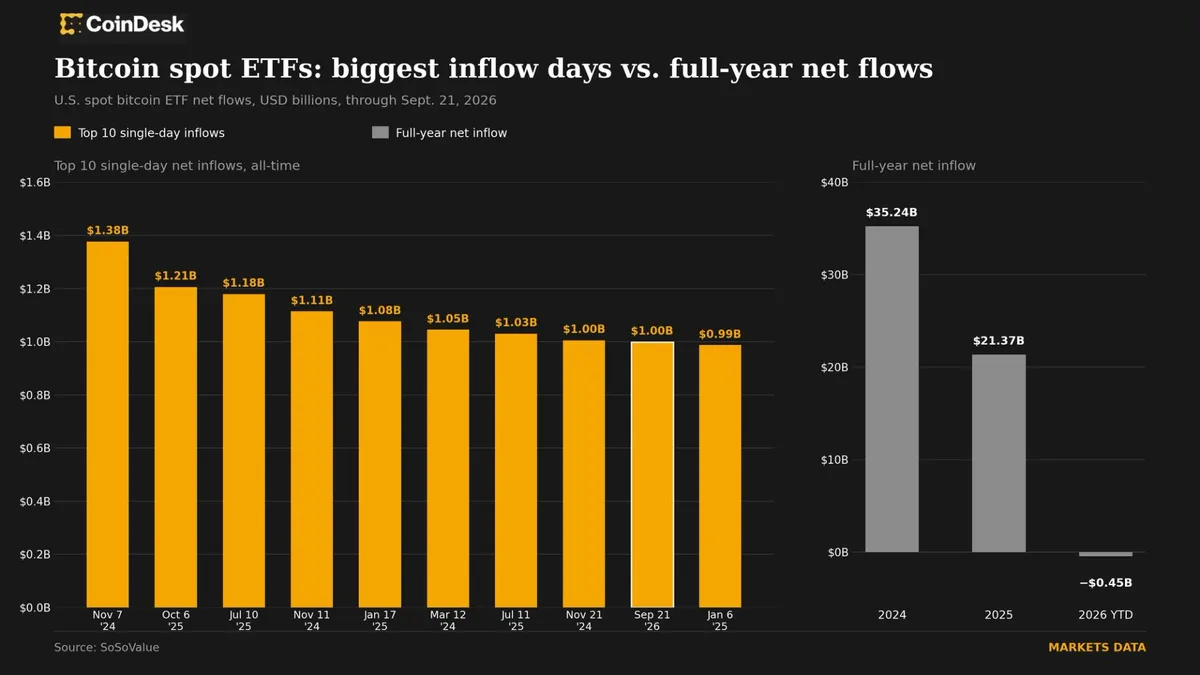
Spot bitcoin ETFs see nearly $1 billion inflow as bitcoin hits January highs
US spot Bitcoin ETFs see nearly $1 billion inflow, highest since October 2025
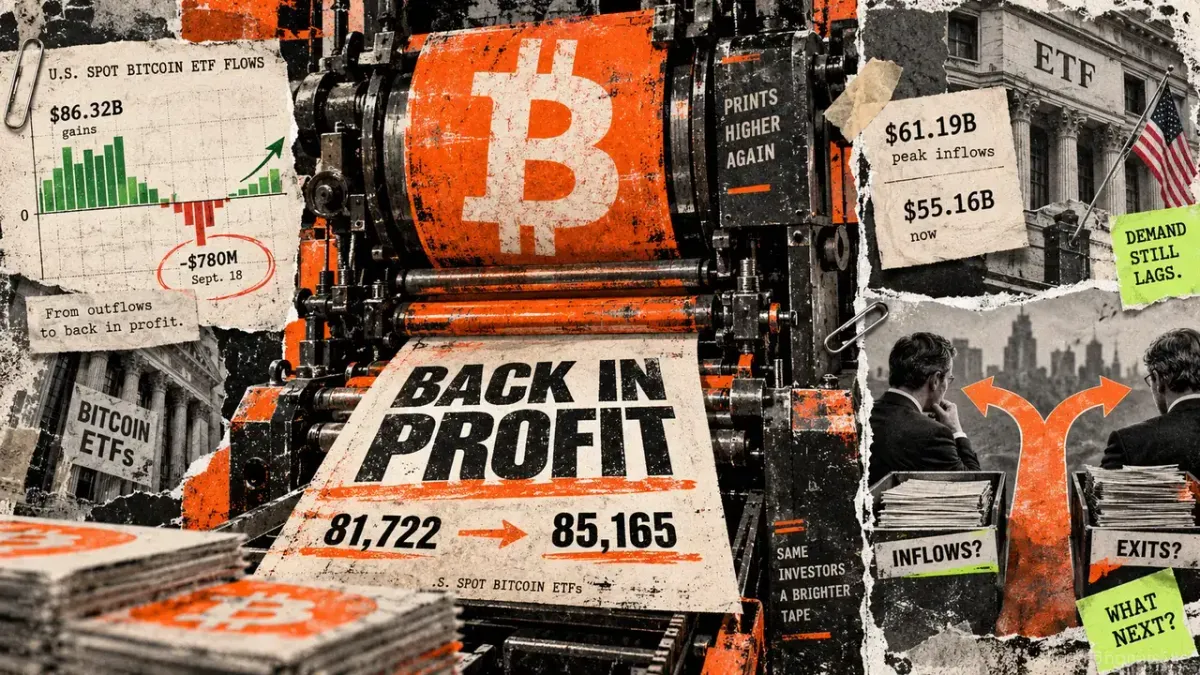
Bitcoin's rise to $86,000 restores profitability for ETF investors
Apple and Google seek crypto experts, signaling potential stablecoin initiatives