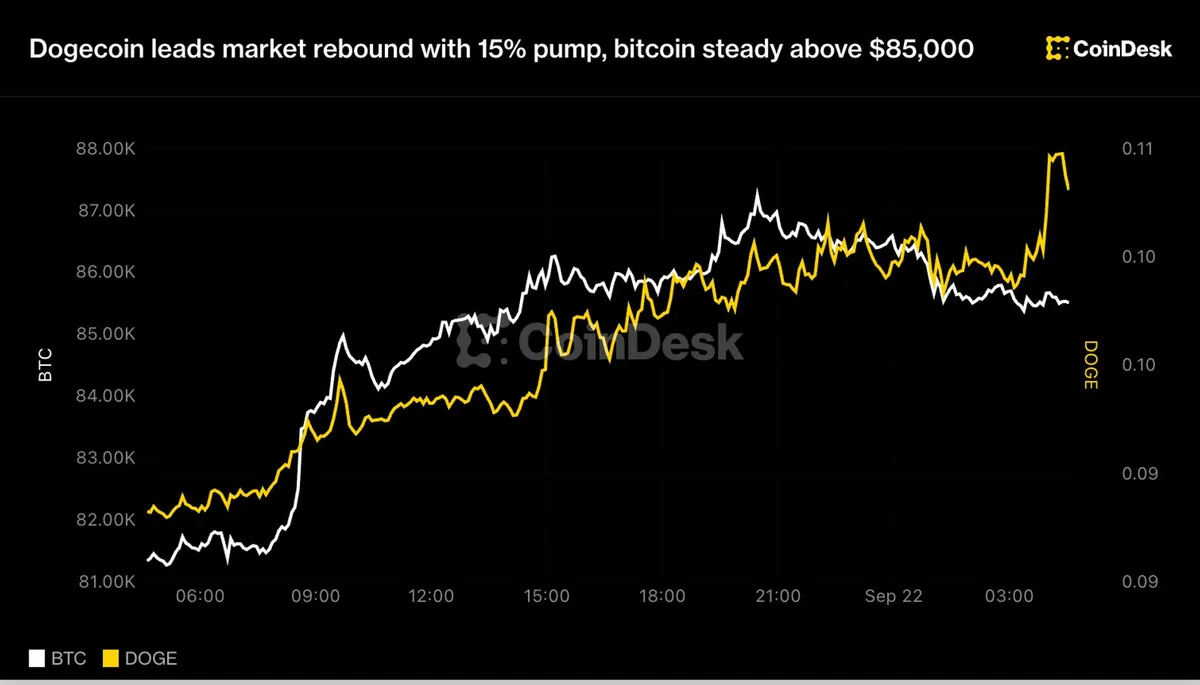
May jobs report explained: Why 172,000 jobs means higher rates, pricier loans, and a Bitcoin drop

The recent jobs report for May revealed that the US economy added 172,000 jobs, significantly exceeding Wall Street's expectations of 80,000. This surprising growth, coupled with a steady unemployment rate of 4.3%, has sparked discussions about potential monetary policy shifts. Additionally, the Bureau of Labor Statistics (BLS) revised the employment figures for March and April upward by a combined total of 93,000 jobs, indicating a stronger labor market than previously thought. The implications of these figures are far-reaching, particularly in relation to interest rates and the broader financial landscape.
Contextually, this jobs report comes at a critical time when the Federal Reserve is closely monitoring economic indicators to make decisions about interest rates. A robust job market typically leads to increased consumer spending, which can drive inflation. As inflationary pressures mount, the Fed may feel compelled to raise interest rates to cool off the economy. The upward revisions of previous months' job numbers add further weight to the argument for tightening monetary policy, as they suggest a more resilient labor market that could fuel inflationary concerns.
The impact of this jobs report extends beyond traditional financial markets and into the crypto sphere. Higher interest rates generally translate to more expensive loans, which can dampen consumer spending and investment in riskier assets, including cryptocurrencies like Bitcoin. Following the report, Bitcoin experienced a notable drop, reflecting investor sentiment that increased rates could lead to reduced demand for speculative investments. As capital becomes costlier to borrow, the appetite for volatile assets tends to wane, leading to potential price corrections in the crypto market.
Industry experts have weighed in on the potential ramifications of this jobs report. Many analysts suggest that while a strong labor market is typically a positive indicator, the associated rise in interest rates may create headwinds for both traditional and digital assets. Some believe that the market may see a shift in sentiment, with investors favoring safer, more stable investments over riskier ones like cryptocurrencies. Others argue that this could also present buying opportunities for long-term investors, as price corrections may lead to more attractive entry points.
Looking ahead, market participants will be keenly watching the Federal Reserve's next moves in response to this jobs report. The upcoming meetings and public statements from Fed officials will likely provide more clarity on the central bank's stance toward interest rates and inflation management. As these developments unfold, the crypto market will continue to react accordingly, with traders and investors adjusting their strategies in light of the evolving economic landscape.

CoinMagnetic Team
Crypto investors since 2017. We trade with our own money and test every exchange ourselves.
Updated: June 2026
From our insights:
Related news
Iran hints at reopening Strait of Hormuz, WTI oil drops to $89

New altseason signal emerges as Bitcoin market cap stays under 60%

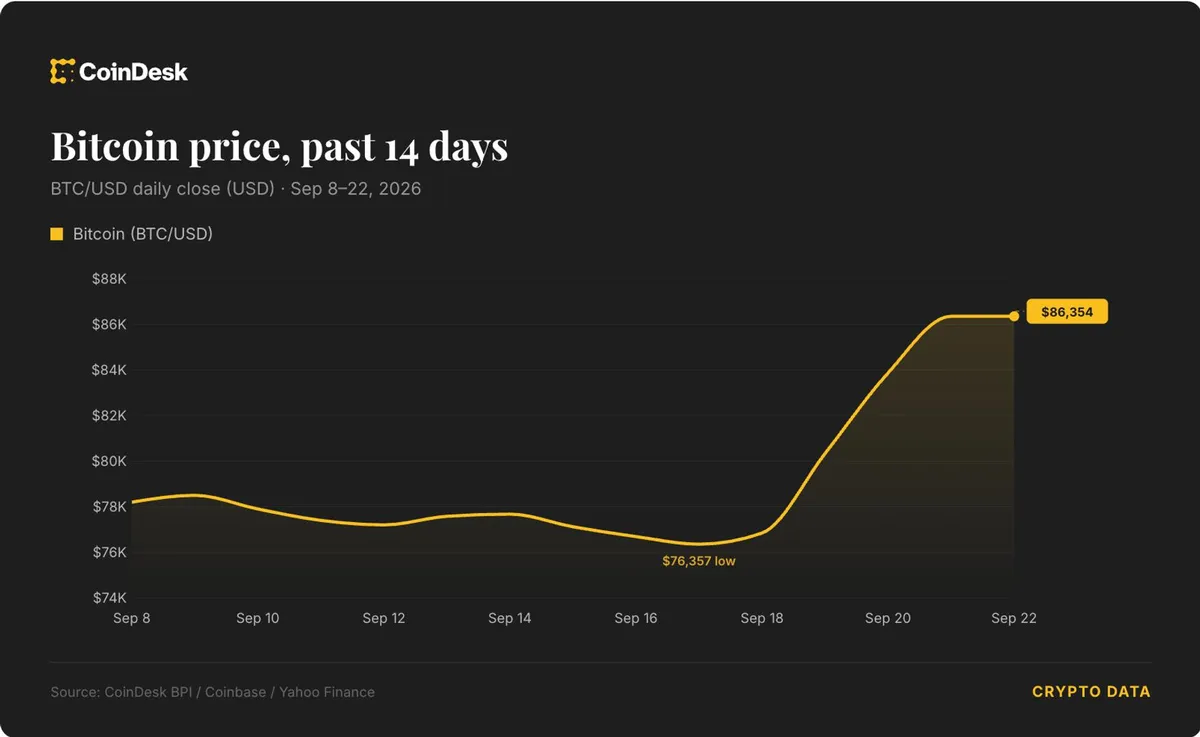
Bitcoin nears $86,000 as crypto market cap surpasses $3 trillion
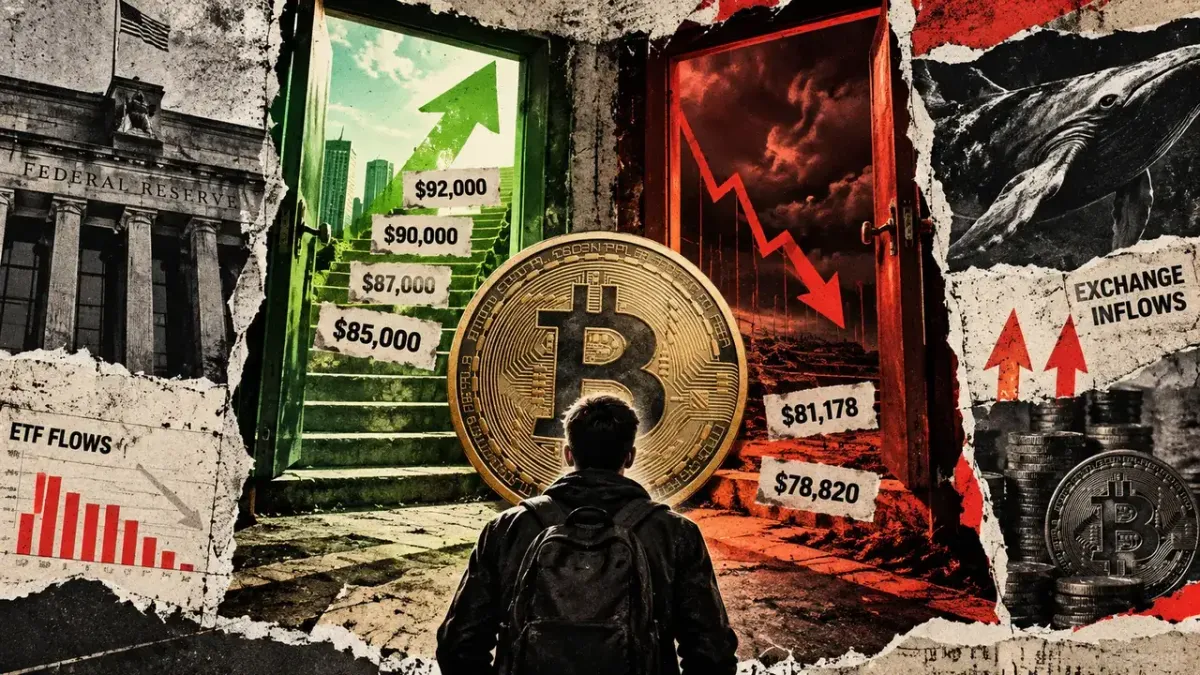
Bitcoin's weekly close above $81,000 signals potential rise to $90,000

Elon Musk's X integrates bitcoin trading options for U.S. users