Mastercard expands stablecoin settlement options with USDC, PYUSD and RLUSD

Mastercard has announced an expansion of its stablecoin settlement options, now incorporating USDC, PYUSD, and RLUSD into its payments network. This strategic move allows for intraday, weekend, and holiday card settlements, significantly enhancing the flexibility and efficiency of payment processing. By integrating these stablecoins, Mastercard aims to streamline transactions, particularly for businesses and consumers who require immediate and reliable payment solutions regardless of traditional banking hours.
In the context of the growing adoption of cryptocurrencies and blockchain technology, Mastercard's decision reflects a broader trend within the financial services industry. With the increasing popularity of stablecoins, which are designed to maintain a stable value relative to fiat currencies, payment processors are recognizing the potential to modernize their infrastructure. This shift is particularly relevant as consumers and businesses alike seek faster, more efficient methods of transaction that align with the digital economy.
The implications of this expansion are significant for the market. By accommodating stablecoins, Mastercard not only positions itself as a forward-thinking leader in the payments sector but also enhances the utility of cryptocurrencies in everyday transactions. This could potentially drive further adoption of stablecoins among consumers, as they gain confidence in using digital currencies for routine purchases. Additionally, this move may influence other payment networks to follow suit, creating a ripple effect across the industry.
Industry experts have reacted positively to Mastercard's initiative, viewing it as a crucial step towards broader cryptocurrency acceptance. Many analysts argue that by embracing stablecoins, Mastercard is not just keeping pace with technological advancements but is also paving the way for a more integrated financial system. Some experts suggest that this could lead to increased competition in the payments space, prompting other major players to reevaluate their strategies regarding digital currencies.
Looking ahead, we can anticipate further developments in Mastercard's approach to digital currency integration. As the regulatory landscape surrounding cryptocurrencies continues to evolve, Mastercard will likely adapt its strategies to align with compliance requirements while maximizing innovation. Moreover, we may see additional partnerships or collaborations with fintech companies and blockchain projects aimed at expanding the practical applications of stablecoins in various sectors, thus shaping the future of payments.

CoinMagnetic Team
Crypto investors since 2017. We trade with our own money and test every exchange ourselves.
Updated: June 2026
From our insights:
Related news
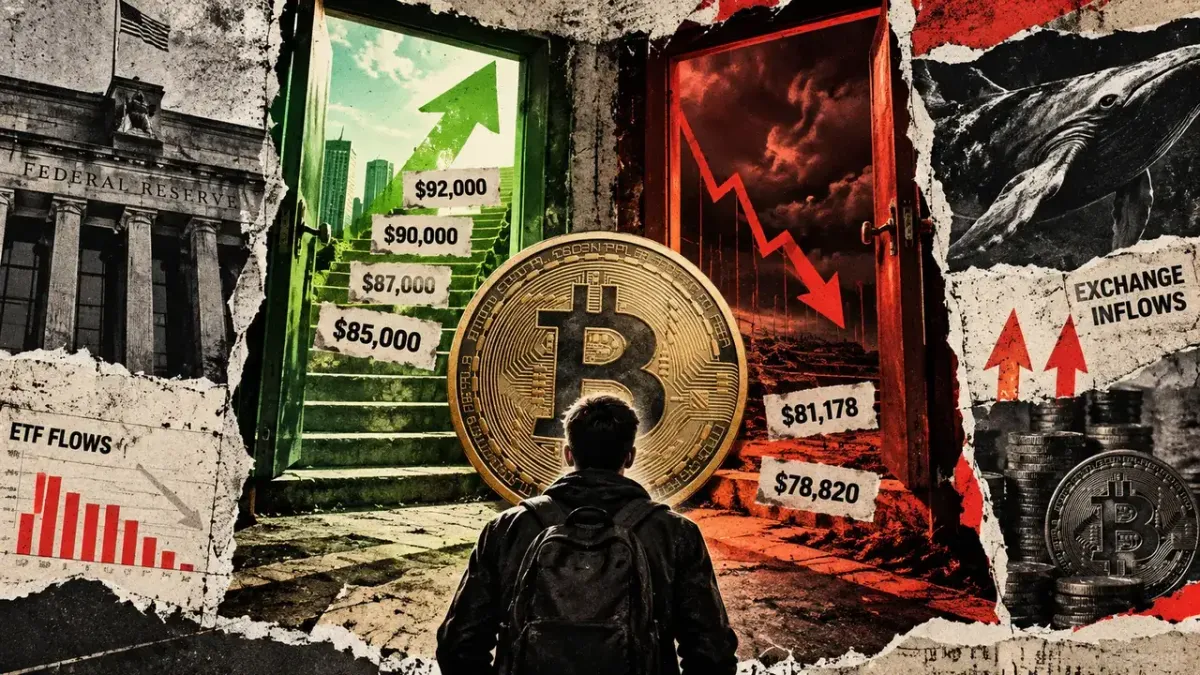
Bitcoin's weekly close above $81,000 signals potential rise to $90,000

Elon Musk's X integrates bitcoin trading options for U.S. users
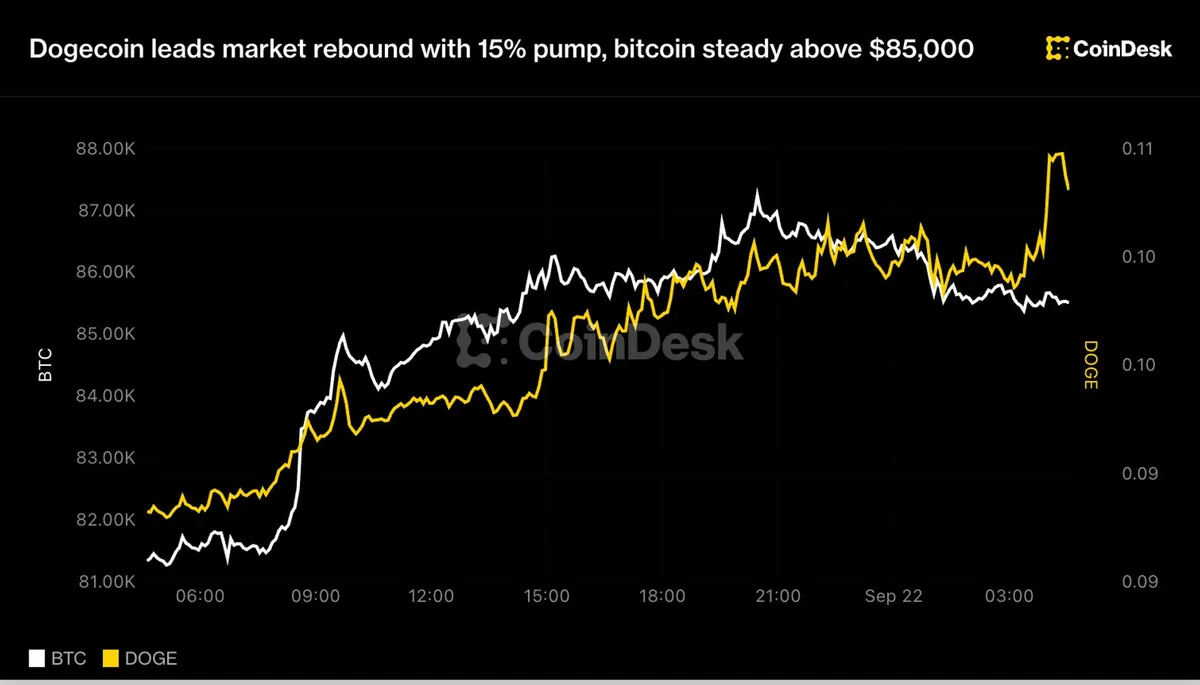
Dogecoin's 15% surge drives market recovery as bitcoin stabilizes above $85,000

Cardano adds tools for AI agent payments, joining Solana and XRP Ledger

Trueo prediction market moves from Base to Ethereum