Mastercard expands on-chain settlement in bet on stablecoins and always-on finance

Mastercard has announced an ambitious plan to expand its on-chain settlement capabilities, positioning itself as a key player in the evolving landscape of stablecoins and real-time finance. This initiative is set to enable settlements using stablecoins, even on weekends and holidays, addressing a growing demand for instant money movement. By integrating these features, Mastercard aims to streamline transactions and enhance the efficiency of financial operations, making it easier for businesses and consumers to engage in always-on finance.
To understand the significance of this move, it’s important to consider the current state of the financial services industry. Traditionally, transactions have been limited by banking hours and holidays, creating delays that can hinder business operations and consumer experiences. The rise of digital currencies, particularly stablecoins, has opened new avenues for payments and settlements, which are not bound by the same temporal constraints as traditional banking systems. Mastercard’s decision to embrace this technology reflects a broader trend among financial institutions to adapt to the increasing demand for speed and flexibility in payment solutions.
This development is particularly crucial for the market as it signals a growing acceptance of cryptocurrencies, especially stablecoins, in mainstream finance. By facilitating real-time settlements, Mastercard not only enhances its service offerings but also positions itself to capitalize on the burgeoning demand for digital asset transactions. This move could potentially influence other financial institutions to follow suit, fostering a more competitive environment that favors innovation and efficiency in payment systems. As more players enter the stablecoin space, we may see a significant shift in how transactions are conducted globally.
Industry experts have expressed a mix of optimism and caution regarding Mastercard’s expansion into on-chain settlements. Some view this as a natural progression for a company that has long been a leader in payment processing, while others caution about the regulatory challenges and market volatility associated with stablecoins. Analysts believe that Mastercard's strong brand and existing infrastructure could provide it with a competitive edge, but they also highlight the need for the company to navigate the complexities of compliance and consumer trust in this relatively nascent sector.
Looking ahead, we anticipate that Mastercard’s initiative will catalyze further innovations in the payment landscape. As the demand for always-on finance grows, other financial institutions may be inspired to enhance their own capabilities, resulting in a more interconnected and efficient financial ecosystem. Additionally, as regulatory frameworks continue to evolve, the success of Mastercard’s stablecoin settlements may inform future policies and standards in the industry. This could ultimately lead to a more robust acceptance of digital currencies in everyday transactions, fundamentally changing the way we think about money movement and financial services.

CoinMagnetic Team
Crypto investors since 2017. We trade with our own money and test every exchange ourselves.
Updated: June 2026
From our insights:
Related news
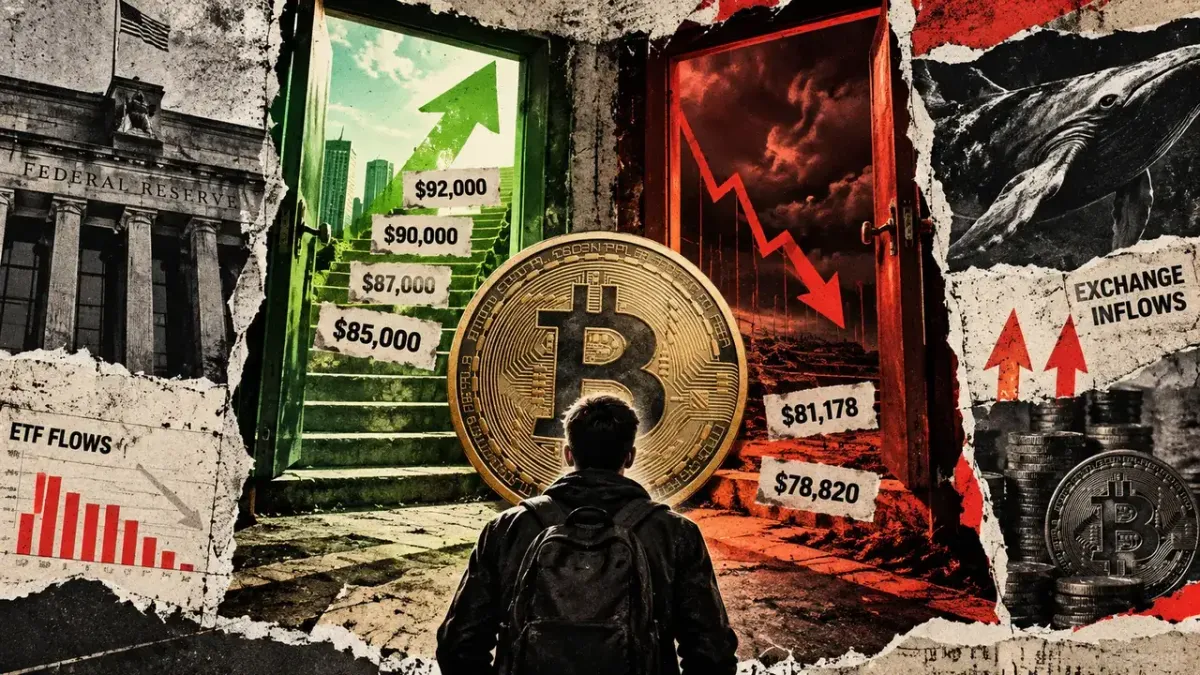
Bitcoin's weekly close above $81,000 signals potential rise to $90,000

Elon Musk's X integrates bitcoin trading options for U.S. users
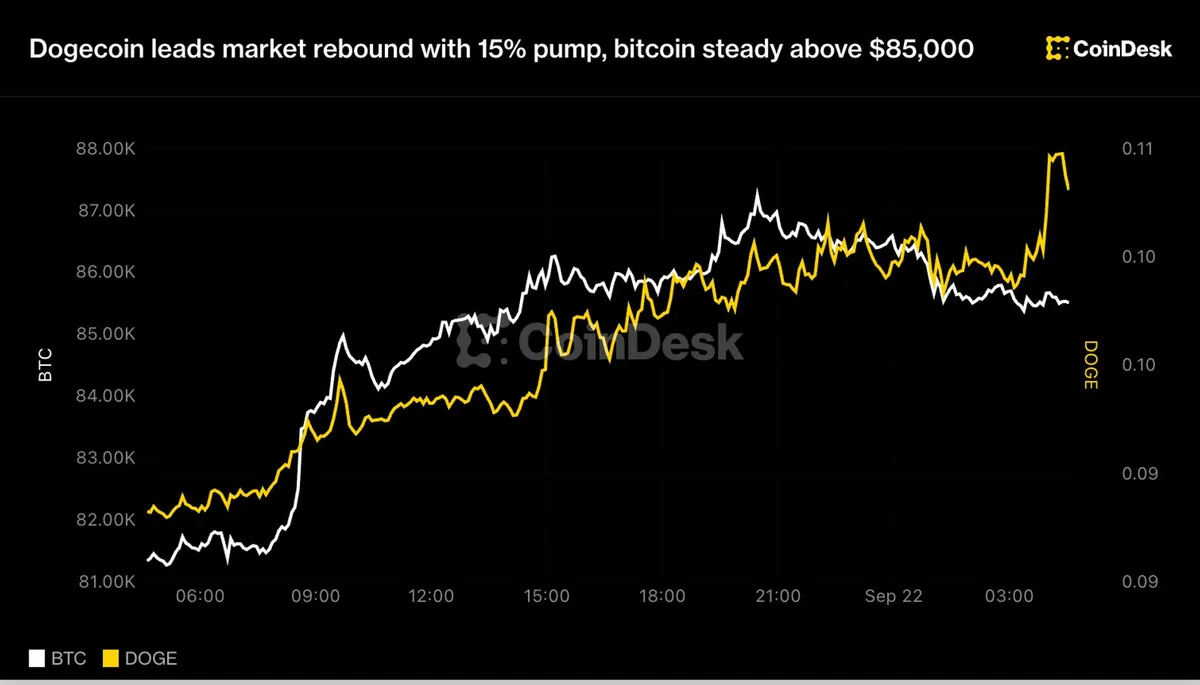
Dogecoin's 15% surge drives market recovery as bitcoin stabilizes above $85,000

Cardano adds tools for AI agent payments, joining Solana and XRP Ledger

Trueo prediction market moves from Base to Ethereum