Mark Cuban’s Bitcoin sale tests the gap between a failed hedge and a surviving monetary bet

Mark Cuban's recent decision to sell a significant portion of his Bitcoin holdings has sparked considerable discussion within the cryptocurrency community and beyond. The billionaire entrepreneur cited that Bitcoin did not serve as the hedge he anticipated during a period marked by declining confidence in fiat currencies and heightened geopolitical tensions. In his view, Bitcoin's performance, particularly its drop from a record high of $126,000 to around $77,663 in mid-May 2026, exemplifies its failure to act as a reliable safeguard against economic uncertainty. This move raises questions about Bitcoin's role in investment portfolios and its perceived value as a protective asset.
To understand the implications of Cuban's sale, it is essential to consider the broader context surrounding Bitcoin and the cryptocurrency market. For years, Bitcoin has been touted as "digital gold," a safe haven that investors could turn to in times of economic distress. However, the recent fluctuations in its price and Cuban's admission that it did not fulfill its intended purpose highlight the ongoing debate about the cryptocurrency's stability and reliability. As traditional financial systems grapple with inflation and geopolitical instability, investors are reevaluating their strategies and the assets they choose to hold.
Cuban's experiences reflect a critical moment for the cryptocurrency market, particularly for those who view Bitcoin as a hedge against inflation. His decision to divest raises concerns about the asset's effectiveness in turbulent times, potentially leading to a reevaluation of investment strategies among both institutional and retail investors. As Bitcoin struggles to maintain its status as a safe haven, it could prompt a shift in how investors allocate their resources, impacting demand and price volatility in the market.
Industry experts have weighed in on Cuban's sale, with many acknowledging the complexities of Bitcoin's role in investment strategies. Some argue that Cuban's experience highlights the need for a more nuanced understanding of Bitcoin as an asset class. While it may not serve as a hedge against all forms of economic uncertainty, others maintain that Bitcoin's long-term potential as a store of value remains intact. The dichotomy between short-term volatility and long-term promise continues to fuel discussions among investors and analysts alike.
Looking ahead, the cryptocurrency market may see increased scrutiny as investors reassess the role of Bitcoin in their portfolios. Cuban's sale could be a bellwether for broader market sentiment, prompting a deeper investigation into the factors that drive Bitcoin's price movements and its overall utility as a hedge. As the landscape evolves, market participants will need to adapt to changing dynamics and reassess their strategies in light of recent developments.

CoinMagnetic Team
Crypto investors since 2017. We trade with our own money and test every exchange ourselves.
Updated: May 2026
From our insights:
Related news
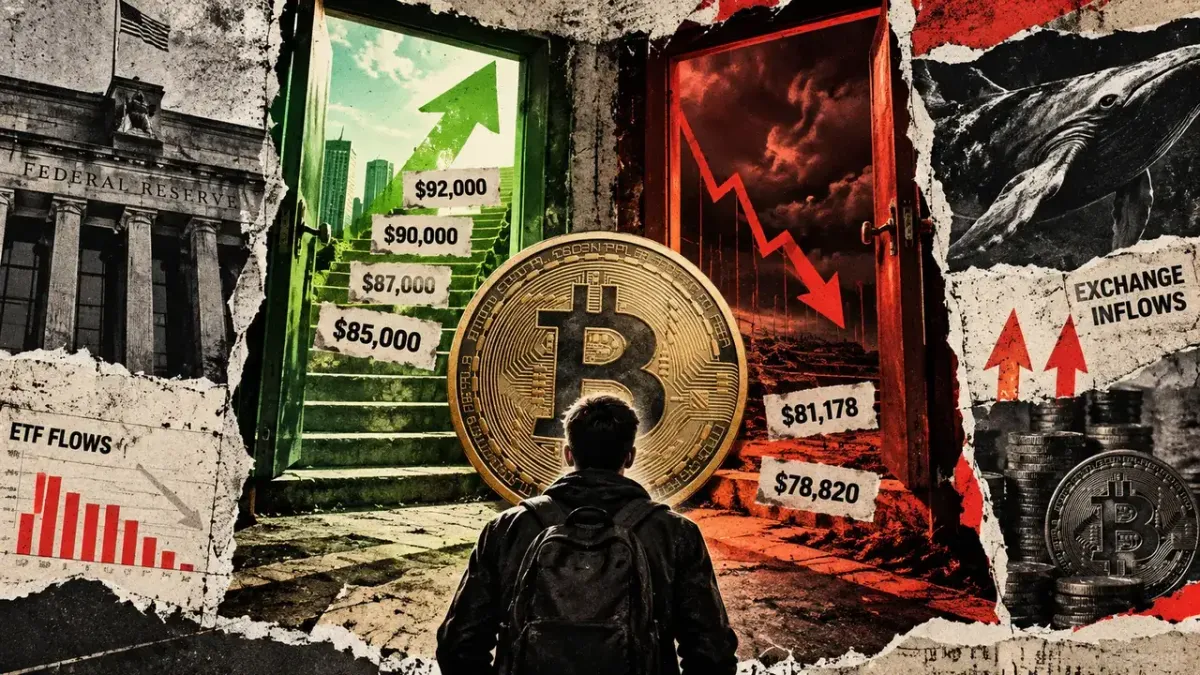
Bitcoin's weekly close above $81,000 signals potential rise to $90,000

Elon Musk's X integrates bitcoin trading options for U.S. users
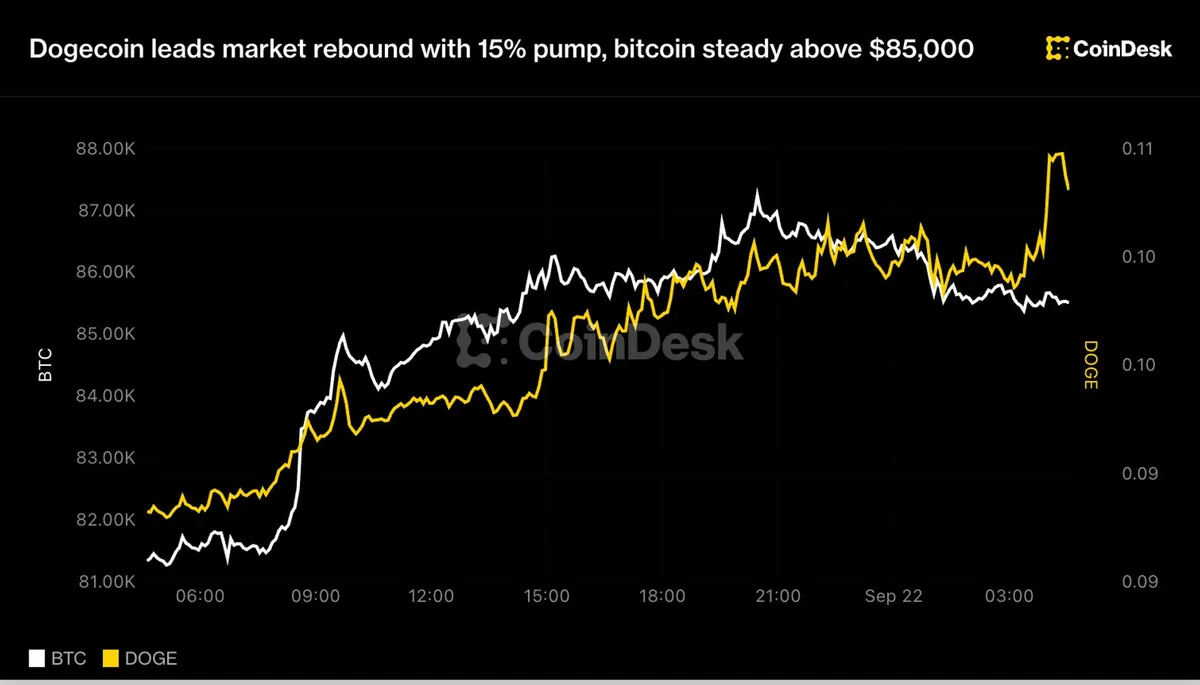
Dogecoin's 15% surge drives market recovery as bitcoin stabilizes above $85,000

Cardano adds tools for AI agent payments, joining Solana and XRP Ledger

Trueo prediction market moves from Base to Ethereum