Mantle tokenholders approve 30K ETH Aave credit facility after rsETH exploit

In a significant development for the decentralized finance space, Mantle tokenholders have voted in favor of a 30,000 ETH credit facility to support Aave. This decision comes on the heels of the exploit involving the rETH token in April, which had a damaging impact on the Wrapped Ether (WETH) market, leading to a rise in bad debt for Aave. The approved credit facility aims to provide much-needed liquidity and stabilize the Aave platform as it navigates the aftermath of the exploit, ensuring that users can have confidence in its operations moving forward.
The rsETH exploit earlier this year highlighted vulnerabilities within the DeFi ecosystem, raising questions about the security and reliability of decentralized lending protocols. Aave, one of the leading platforms in this space, faced significant challenges as the exploit led to a surge in bad debt, undermining the trust that users and investors place in such protocols. The decision by Mantle tokenholders to extend a credit facility represents a critical response to these challenges, aiming to restore stability and confidence in Aave's lending services.
This move matters for the market as it underscores the importance of community governance and support in decentralized finance. By approving the credit facility, Mantle tokenholders are not only aiding Aave but also setting a precedent for how decentralized communities can rally together to address crises. This kind of collaboration can enhance the sustainability of DeFi projects and potentially attract more users, knowing that there are mechanisms in place for support during tumultuous times. Furthermore, it demonstrates the resilience of the DeFi ecosystem amidst challenges, which can be a positive signal for investors.
Reactions from industry experts have been mixed, with some praising the proactive approach of Mantle tokenholders while others caution against the risks associated with such credit facilities. Some analysts believe that this decision reflects a maturing of the DeFi landscape, where community governance plays a crucial role in ensuring the longevity of projects. However, others warn that extending credit can expose the community to further risks, particularly if the underlying issues are not thoroughly addressed. The balance between supporting distressed protocols and maintaining fiscal responsibility is a delicate one that the DeFi community will need to navigate carefully.
Looking ahead, the approval of this credit facility could pave the way for further collaborations between DeFi projects facing similar challenges. As the ecosystem evolves, we might see more liquidity pools being created to bolster struggling platforms, fostering a sense of shared responsibility among stakeholders. Additionally, Aave will need to implement robust measures to address the vulnerabilities that led to the exploit, ensuring that such incidents do not happen in the future. As this situation unfolds, it will be interesting to observe how the DeFi community adapts and learns from these challenges to build a more resilient infrastructure.

CoinMagnetic Team
Crypto investors since 2017. We trade with our own money and test every exchange ourselves.
Updated: May 2026
From our insights:
Related news

SoFi begins stablecoin settlement on Mastercard network for program expected to exceed $25 billion in annualized volume
A $3.2 million 'bitcoin butterfly' option trade bets on $95,000 by the end of October

Bitcoin surges past $86,000 as $1 billion in shorts are liquidated, eyes on $90,000
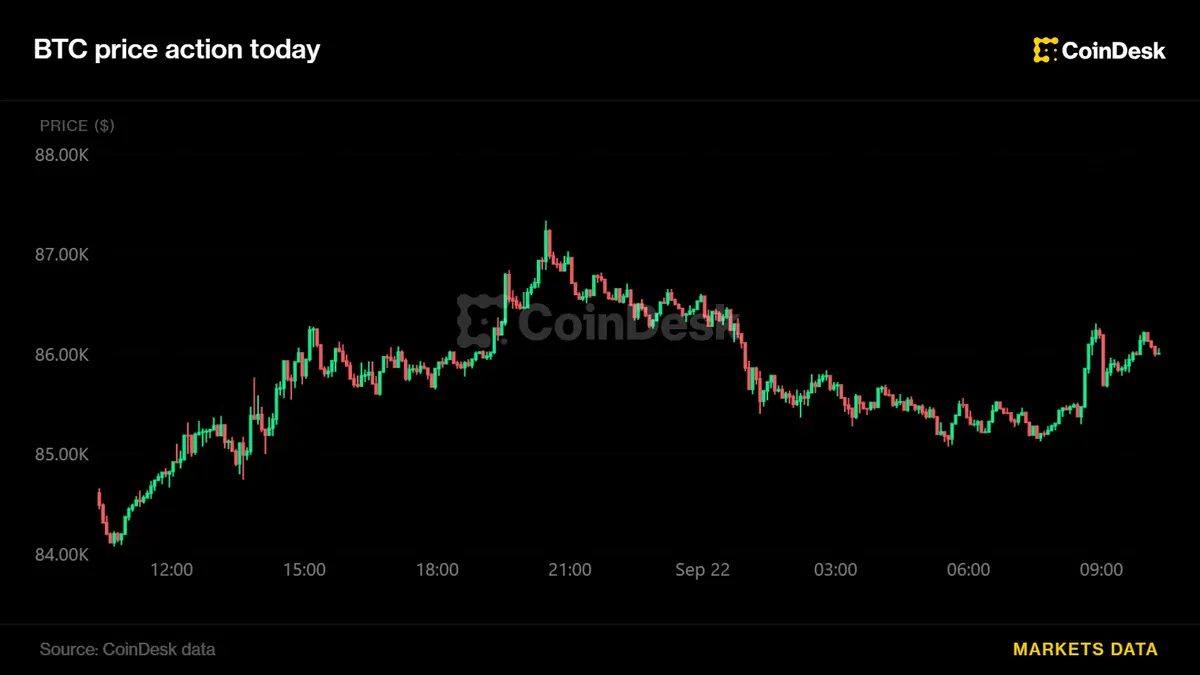
Bitcoin bounces back to $86,000 as oil prices decline and stocks rise

Prediction markets projected to reach $10 trillion by 2035, surpassing sports