Malta's financial regulator explores bringing parts of DeFi under MiCA's orbit

Malta's Financial Services Authority (MFSA) is making strides toward integrating elements of decentralized finance (DeFi) under the framework of the Markets in Crypto-Assets Regulation (MiCA). The regulator is currently soliciting feedback from industry stakeholders on the idea that decentralization should be viewed as a spectrum rather than a strictly binary concept. This approach acknowledges the varying degrees of decentralization within DeFi projects, which could have significant implications for how these projects are regulated and supervised.
The push comes in the wake of increasing scrutiny of DeFi platforms, which have gained popularity for their promise of financial autonomy and innovation. As the DeFi landscape evolves, regulators around the world are grappling with how to effectively oversee these decentralized systems without stifling their growth. The MiCA framework, which aims to provide a comprehensive regulatory environment for crypto-assets within the European Union, presents an opportunity for Malta to position itself as a leader in this rapidly changing regulatory landscape.
This development is particularly relevant for the market as it signals a potential shift in how DeFi could be regulated in the EU. By considering decentralization as a spectrum, the MFSA may create a more nuanced regulatory environment that could foster innovation while still protecting consumers and the financial system. Such a framework could attract more DeFi projects to Malta, enhancing the country’s reputation as a crypto-friendly jurisdiction and possibly influencing regulatory approaches in other regions.
Industry experts have weighed in on the MFSA's initiative, with many expressing cautious optimism. Some believe that this approach could lend itself to a more flexible regulatory framework that accommodates the unique characteristics of DeFi projects. Others, however, caution that defining decentralization as a spectrum could complicate enforcement and compliance, particularly if clear guidelines are not established. The balance between innovation and regulation is delicate, and the feedback process will be vital in shaping a regulatory environment that works for all parties involved.
As the MFSA continues to gather feedback, the next steps will likely involve drafting proposals based on stakeholder input. The outcome of this initiative could set a precedent for how other regulators view and handle DeFi in the future. As the discussions unfold, market participants will be watching closely to see how Malta's approach influences broader regulatory trends within the EU and beyond, potentially impacting the growth and development of the DeFi sector on a global scale.

CoinMagnetic Team
Crypto investors since 2017. We trade with our own money and test every exchange ourselves.
Updated: June 2026
From our insights:
Related news

Bitcoin's weekly close above $81,000 signals potential rise to $90,000

Elon Musk's X integrates bitcoin trading options for U.S. users
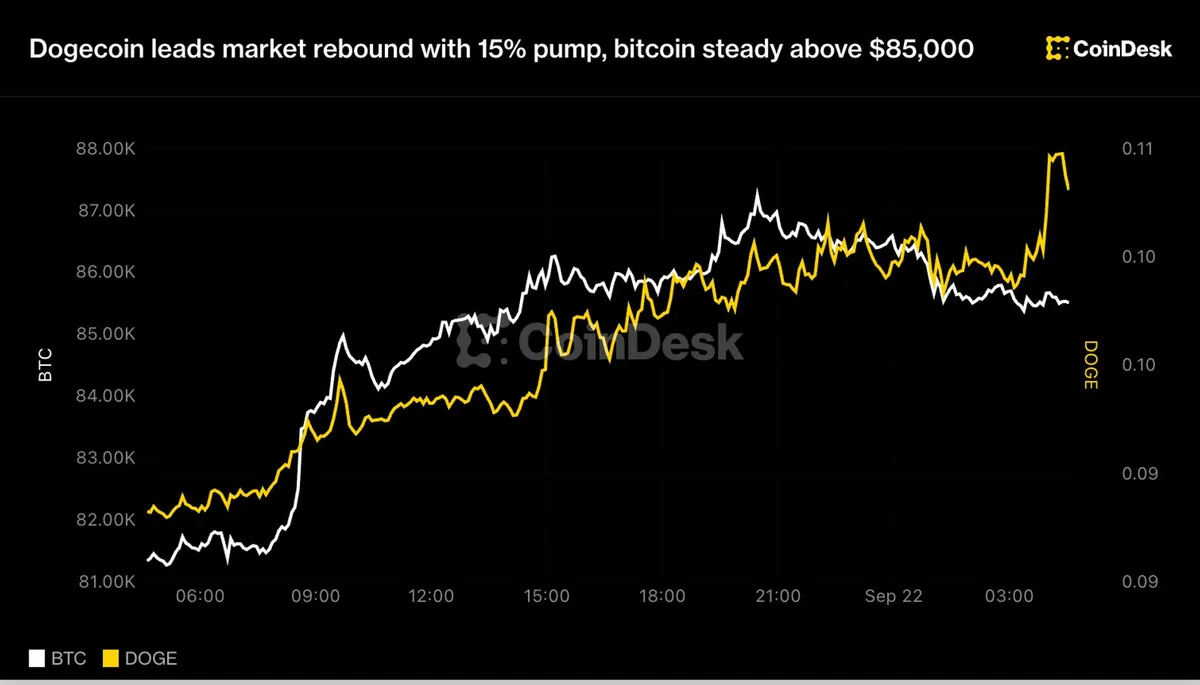
Dogecoin's 15% surge drives market recovery as bitcoin stabilizes above $85,000

Cardano adds tools for AI agent payments, joining Solana and XRP Ledger

Trueo prediction market moves from Base to Ethereum