Major cryptocurrencies under pressure as oil jumps 3%

Cryptocurrencies such as Bitcoin (BTC), Ethereum (ETH), and XRP experienced a notable pullback from their overnight highs as geopolitical tensions and a spike in oil prices created a wave of risk aversion among investors. The recent surge in oil, which jumped by 3%, was largely influenced by escalating tensions between Iran and Israel, leading to heightened concerns in the global economic landscape. This combination of factors prompted traders to reassess their positions, resulting in a downward momentum for major cryptocurrencies.
To understand the backdrop of this situation, it’s essential to consider the interconnectedness of global markets. Historically, when oil prices rise significantly, it often indicates increased geopolitical instability–something that can make investors wary of riskier assets, including cryptocurrencies. In the current context, with the Middle East being a critical player in the oil market, any hint of conflict tends to ripple through financial markets, causing a flight to safety. This response is particularly pronounced in Asian stock markets, which are closely linked to global economic sentiment.
The implications of this market movement are significant for the cryptocurrency sector. As digital currencies often serve as alternative investments, they remain sensitive to broader economic trends. The recent downturn highlights the volatility inherent in the crypto market, especially during periods of heightened uncertainty. Investors are now faced with a challenging environment where external factors, such as geopolitical tensions and commodity price fluctuations, can have immediate effects on their portfolios.
Industry reactions have been varied, with some experts emphasizing the need for diversification in investment strategies. Analysts suggest that the rise in oil prices could lead to increased inflationary pressures, which might prompt central banks to tighten monetary policy. This, in turn, could affect liquidity in the markets, including the crypto space. Others argue that such downturns could present buying opportunities for long-term investors who believe in the fundamentals of cryptocurrencies.
Looking ahead, the situation remains fluid. As geopolitical events continue to unfold and oil prices fluctuate, we anticipate that the cryptocurrency market will remain susceptible to external shocks. Investors will be closely monitoring the developments between Iran and Israel, as well as economic indicators related to oil and inflation, to gauge how these factors may influence their trading strategies in the coming days. The interplay between traditional commodities and digital assets will be crucial to watch as we navigate this uncertain landscape.

CoinMagnetic Team
Crypto investors since 2017. We trade with our own money and test every exchange ourselves.
Updated: June 2026
From our insights:
Related news
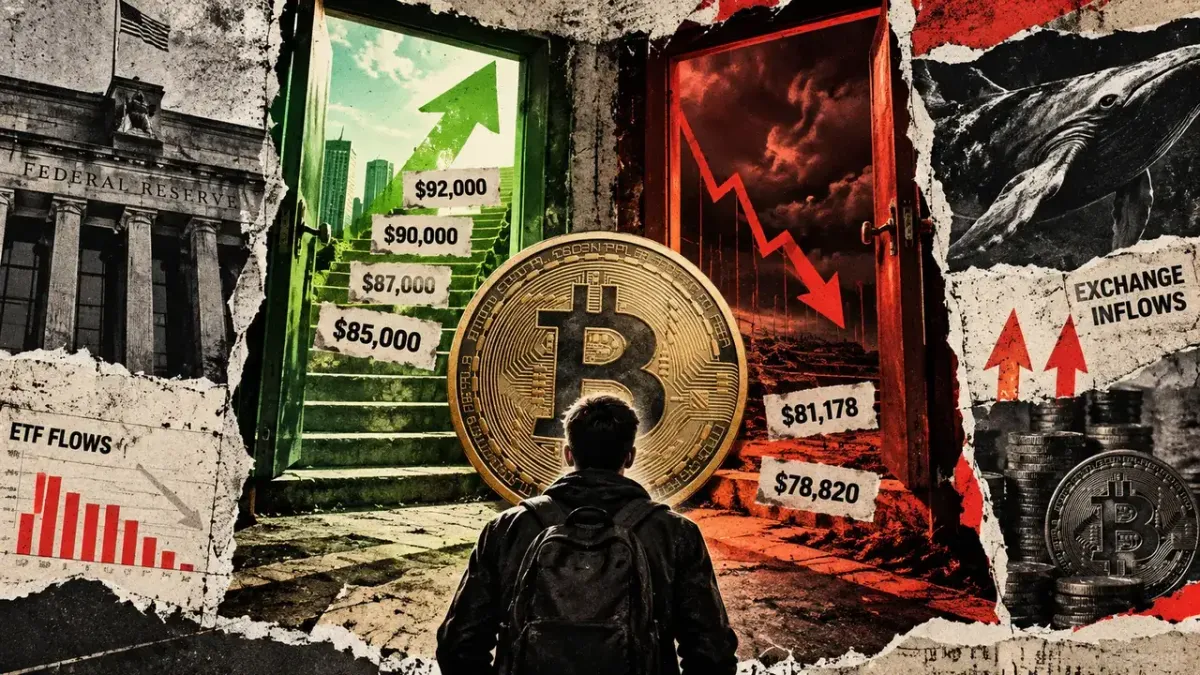
Bitcoin's weekly close above $81,000 signals potential rise to $90,000

Elon Musk's X integrates bitcoin trading options for U.S. users
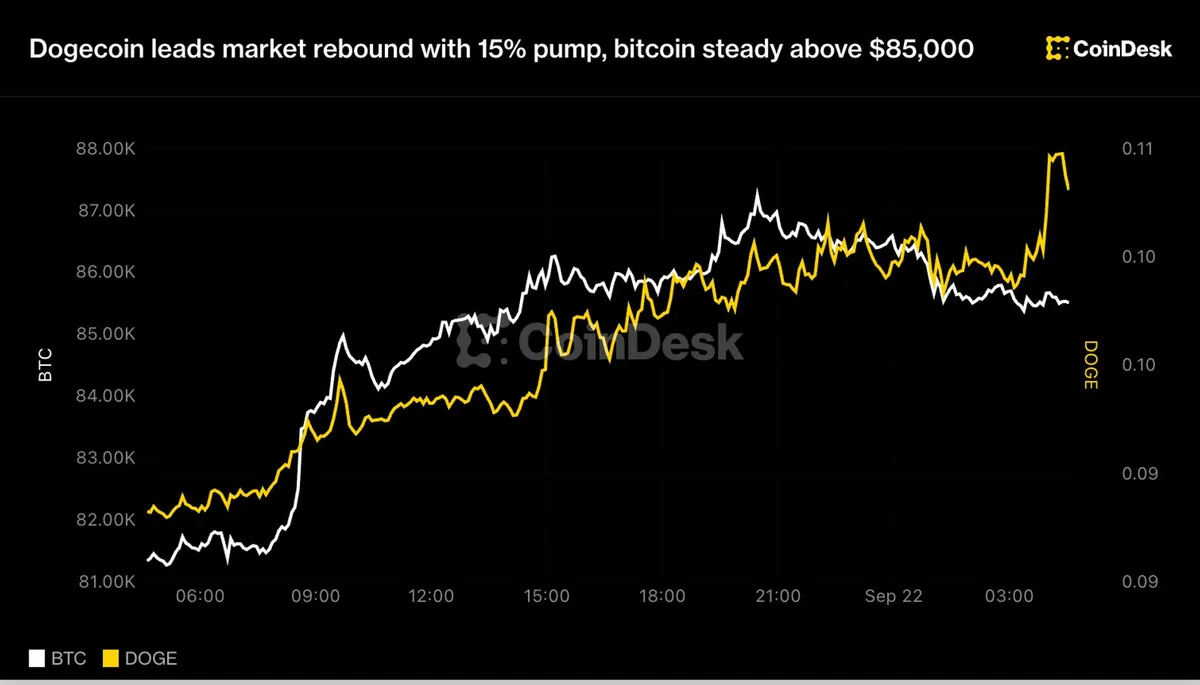
Dogecoin's 15% surge drives market recovery as bitcoin stabilizes above $85,000

Cardano adds tools for AI agent payments, joining Solana and XRP Ledger

Trueo prediction market moves from Base to Ethereum