Major bitcoin wallet flaw drains 594 BTC in 25-minute sweep
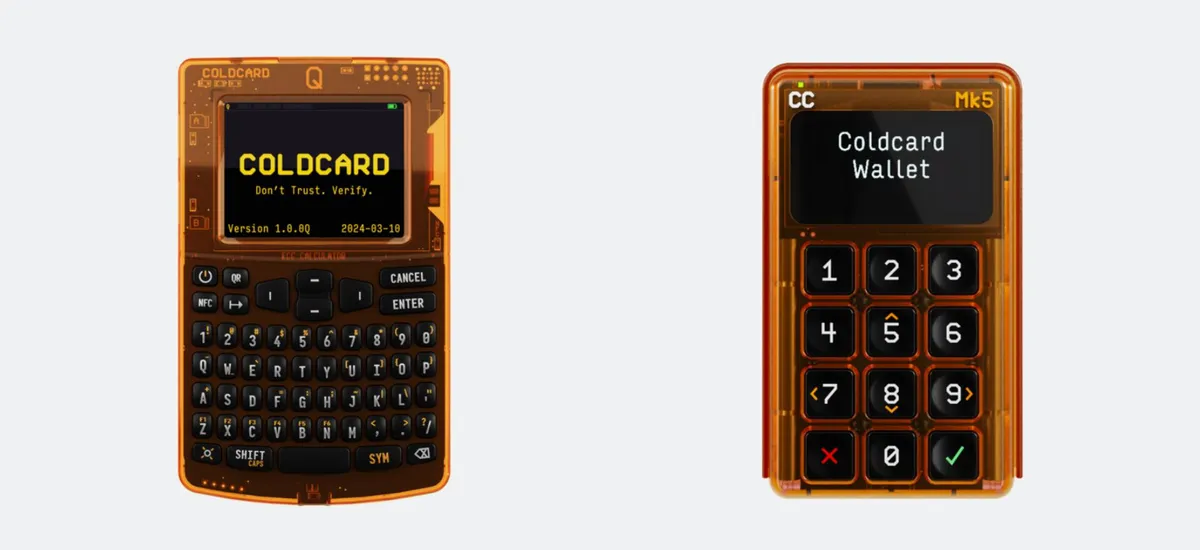
In a significant security breach, a flaw in a well-known bitcoin hardware wallet has resulted in the draining of 594 BTC within a mere 25-minute window. The issue stemmed from a randomness bug that compromised the generation of cryptographic seeds, which are supposed to be impossible to guess. Unfortunately, this vulnerability made it possible for malicious actors to predict these seeds, leading to the unauthorized access and theft of approximately $38 million in bitcoin. As news of the incident spreads, concerns over the integrity and security of hardware wallets are being raised, prompting users to reassess their storage methods.
The background of this situation highlights the critical importance of randomness in cryptography. Cryptographic seeds are fundamental to the operation of wallets, as they determine the public and private keys used for securing digital assets. A flaw that compromises this randomness not only jeopardizes individual users but also casts a shadow over the hardware wallet industry as a whole. Previous incidents have shown that even the most trusted brands are not immune to security vulnerabilities, which can arise from software bugs or inadequate testing processes before product launches.
This incident is particularly concerning for the market, as it raises questions about the reliability of hardware wallets, which are typically viewed as one of the safest options for storing cryptocurrencies. The loss of such a substantial amount of bitcoin in such a short timeframe has triggered fears of a potential sell-off, as affected users may seek to liquidate their holdings to minimize further losses. Furthermore, the breach could lead to a decline in consumer confidence in hardware wallets, ultimately impacting market stability in the short term.
Industry reactions have been swift, with experts and security analysts expressing their outrage and concern over the vulnerability. Many are emphasizing the need for enhanced security protocols and more rigorous testing standards to prevent similar incidents in the future. Some commentators suggest that this situation could potentially lead to a reevaluation of how hardware wallets are developed and maintained, with a greater focus on transparency and accountability from manufacturers. As security remains a top priority for cryptocurrency users, the industry may see increased demand for wallets that can demonstrate robust security measures.
Looking ahead, it is likely that this incident will prompt a wave of updates and patches from hardware wallet manufacturers as they scramble to address the vulnerabilities exposed by this breach. Users may also start to explore alternative storage solutions, such as software wallets or multisig accounts, while awaiting assurances from manufacturers that their products are secure. As the dust settles, the broader implications of this event may lead to a shift in industry standards, ultimately fostering a more secure environment for cryptocurrency investors.

CoinMagnetic Team
Crypto investors since 2017. We trade with our own money and test every exchange ourselves.
Updated: July 2026
From our insights:
Related news

AI labs call for slower development pace amid rising risks and costs

Strive's latest $36.6 million purchase brings total to 25,000 BTC

Hyperliquid's HYPE price faces risk as Binance impacts revenue, warns Alice Liu

Bitmine's ETH holdings reach 5.96 million as DeMark predicts price surge

Bitmine nears 5% ether accumulation with $68 million added, Lee optimistic