Bond yield surge drags Bitcoin lower amid market volatility
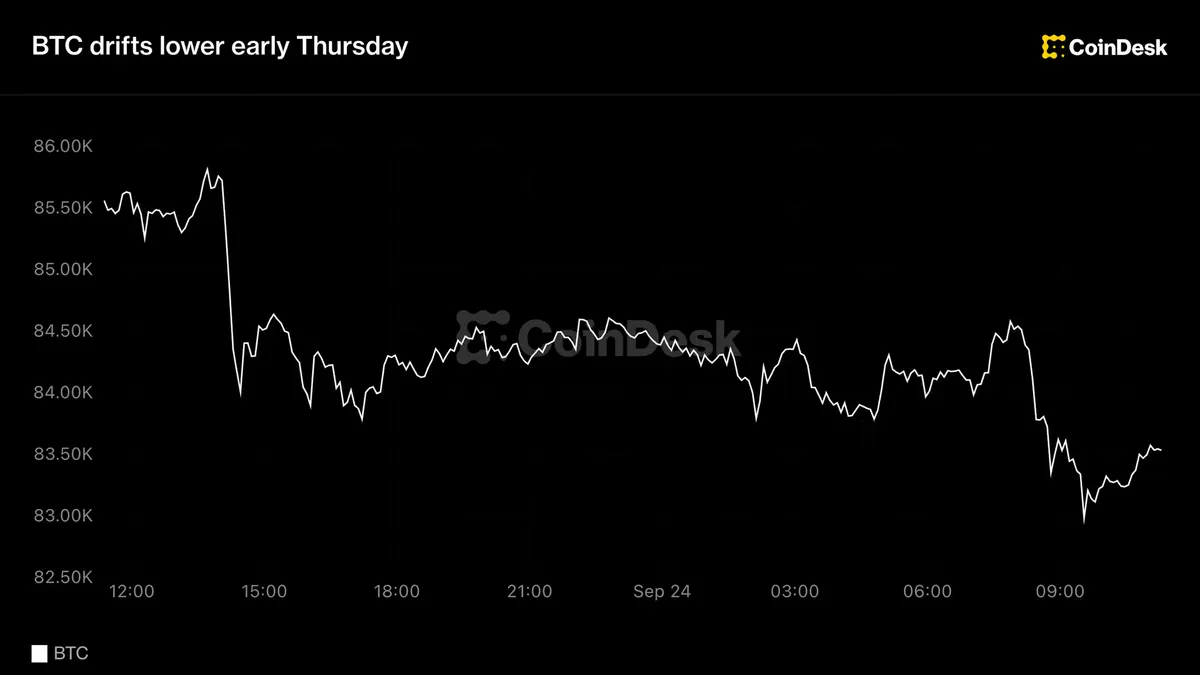
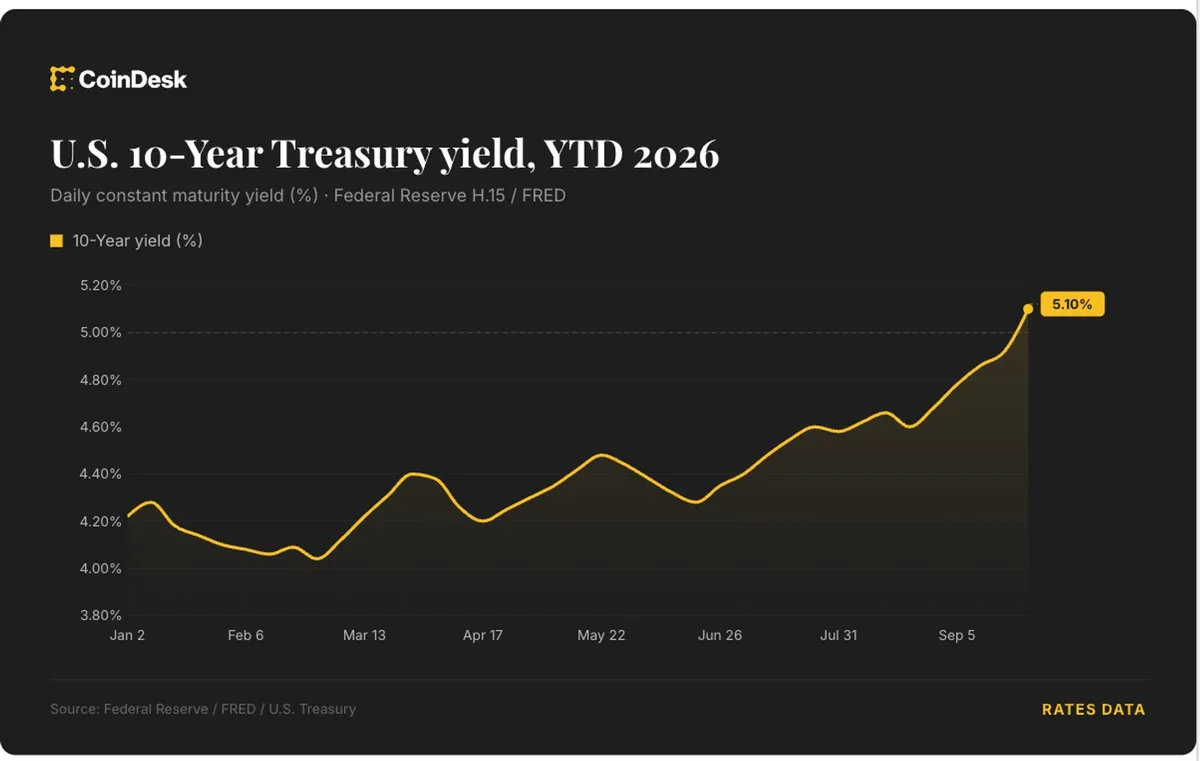
Bitcoin prices have continued to slide as U.S. bond yields remain a focal point for investors. On Thursday morning, bond yields showed little change following a significant increase the previous day, which contributed to a notable downturn in risk markets, including cryptocurrencies. As traditional markets react to shifts in interest rates, Bitcoin's performance reflects the ongoing correlation between crypto assets and broader economic indicators.
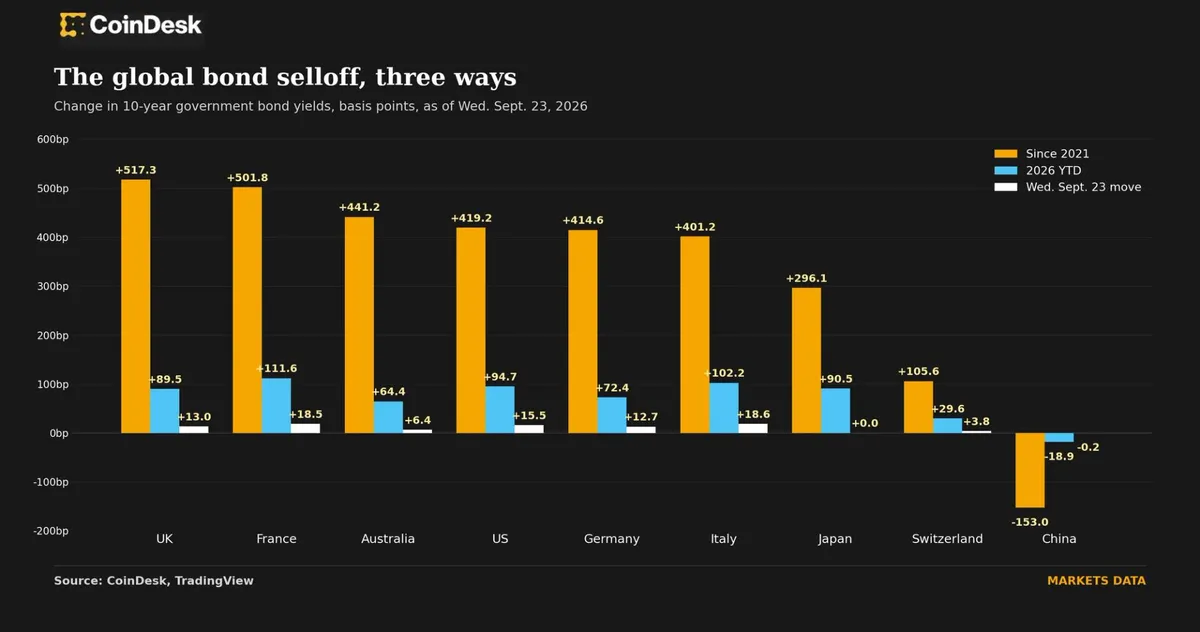
The recent surge in bond yields has raised concerns among investors about rising borrowing costs and the potential for a slowdown in economic growth. Historically, higher bond yields can lead to a preference for fixed income investments over riskier assets like Bitcoin. This backdrop is exacerbated by ongoing economic uncertainties, including inflation and Federal Reserve policy, which have kept traders on edge and made them more reactive to shifts in traditional financial markets.
For the cryptocurrency market, this situation is crucial. Bitcoin's price trajectory is often influenced by macroeconomic factors, and developments in bond markets can create ripple effects across other asset classes. As investors weigh the implications of rising yields, the pressure on Bitcoin and other cryptocurrencies may intensify, leading to volatility as traders adjust their positions in response to these changing dynamics.
Industry experts have noted that the relationship between bond yields and Bitcoin has become more pronounced as institutional participation in the crypto space increases. Many analysts suggest that if bond yields continue to rise, it could further dampen investor sentiment in risk assets, including Bitcoin. However, some remain optimistic that Bitcoin's attributes as a store of value could eventually draw investors back once the initial shock of rising yields subsides.
Looking ahead, market participants will be closely monitoring economic indicators and bond market developments. Any significant changes in interest rates or inflation data could further impact Bitcoin's price movement. As the market reacts to these unfolding events, traders will need to remain vigilant and adaptable to navigate the complexities of the current financial landscape.

CoinMagnetic Team
Crypto investors since 2017. We trade with our own money and test every exchange ourselves.
Updated: September 2026
From our insights:
Related news

EU warns Q-Day could come before quantum computers are ready for market
Traders price in 4 Fed rate hikes by June 2027 as bitcoin slides below $83,000

Zcash reaches $1,600 as 21Shares launches ETP in Europe

IBM integrates Digital Asset Haven with Swift for tokenized deposits
The data proves it: Bitcoin doesn't care about rising bond yields over long-term