Live markets: Bitcoin has traded below its mining cost for five months, squeezing miners
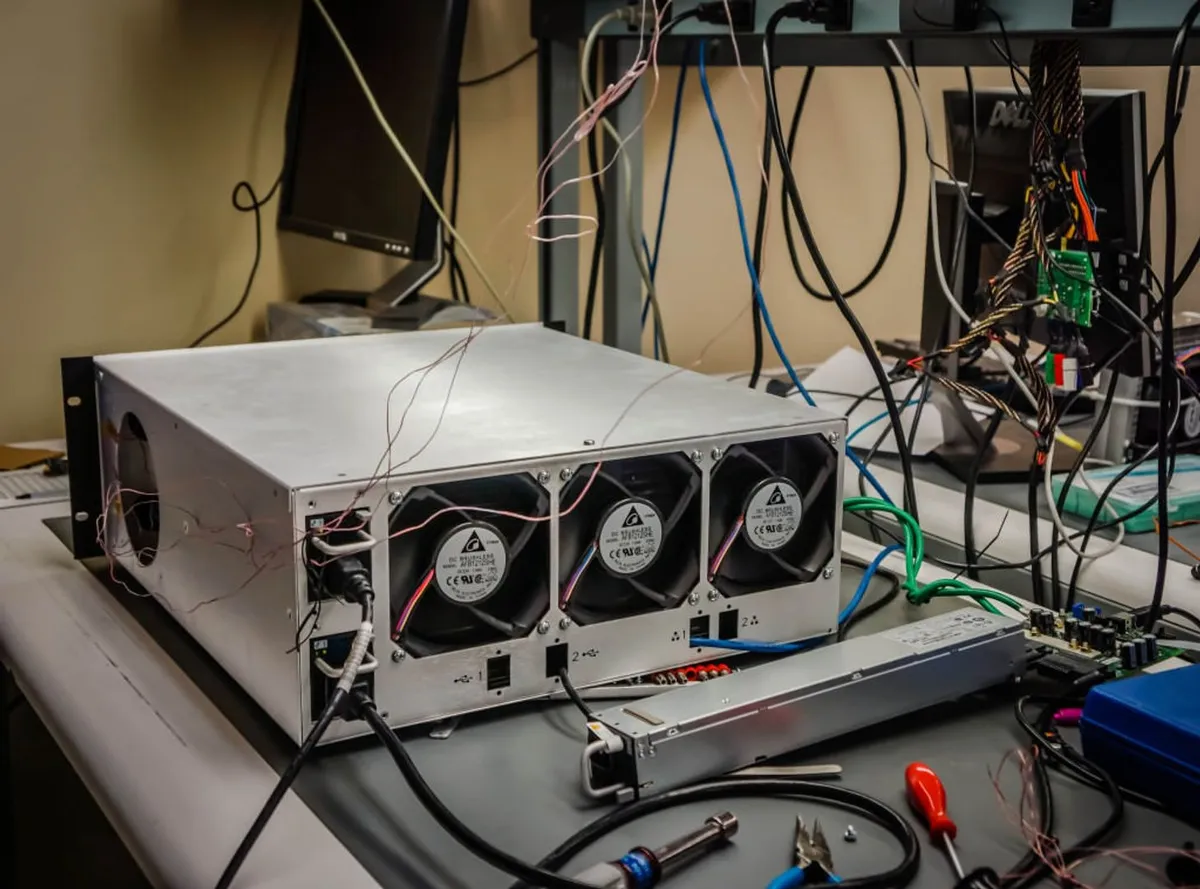
Bitcoin has faced a challenging landscape for miners over the past five months, as its price has dipped below the average cost of mining. This situation has led to significant financial strain, with around 20% of miners now operating at a loss. The trend has compelled publicly traded mining companies to take drastic measures, with reports indicating that they offloaded over 32,000 bitcoin in the first quarter of this year–surpassing the total amount they sold throughout all of 2025. This unprecedented liquidation highlights the dire circumstances miners are facing as they struggle to maintain profitability amidst declining prices.
To understand the gravity of the current situation, it's important to consider the historical context of Bitcoin mining. The cost of mining has fluctuated over the years, influenced by factors such as technological advancements, electricity costs, and overall market demand. When Bitcoin's price surged to all-time highs, many miners expanded operations, anticipating sustained profitability. However, as the market has cooled, these same miners are now grappling with the reality of their investments and the sustainability of their operations, particularly when the price of Bitcoin falls below their production costs.
This ongoing crisis among miners is significant for the broader cryptocurrency market. When miners become unprofitable, it can lead to a decrease in network security and stability, as some may be forced to shut down their operations entirely. This could potentially result in a decline in hash rate, which is a critical measure of the network's security. Furthermore, the large-scale selling of Bitcoin by miners can create downward pressure on prices, exacerbating an already challenging market environment and impacting retail and institutional investors alike.
Industry experts have weighed in on the current predicament, with many expressing concern about the long-term viability of smaller mining operations. Some analysts suggest that as larger, more efficient miners continue to dominate the sector, smaller players may struggle to compete unless they can find ways to reduce costs or innovate. Additionally, there is speculation that the current market dynamics could prompt a consolidation phase within the industry, where struggling miners are acquired by larger entities with better resources.
Looking ahead, the future of Bitcoin mining remains uncertain. If prices do not rebound, we may see further exits from the market, particularly among less efficient miners. On the other hand, should Bitcoin's price increase significantly, it could alleviate some of the pressures currently facing miners and reinvigorate the sector. The coming months will be critical in determining how the mining landscape evolves and what implications this has for the overall health of the cryptocurrency market.

CoinMagnetic Team
Crypto investors since 2017. We trade with our own money and test every exchange ourselves.
Updated: June 2026
From our insights:
Related news
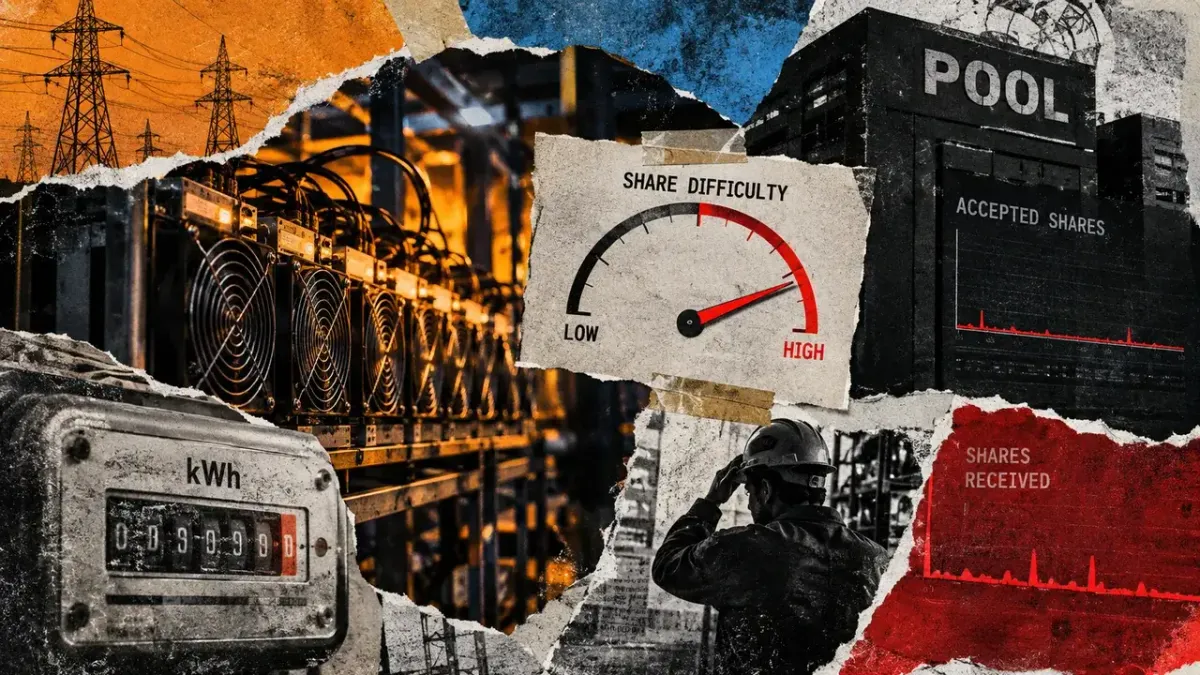
Power cuts to Bitcoin miners may paradoxically increase energy consumption

Grayscale’s Zcash ETF plans 3-for-1 split after $233 million inflow surge
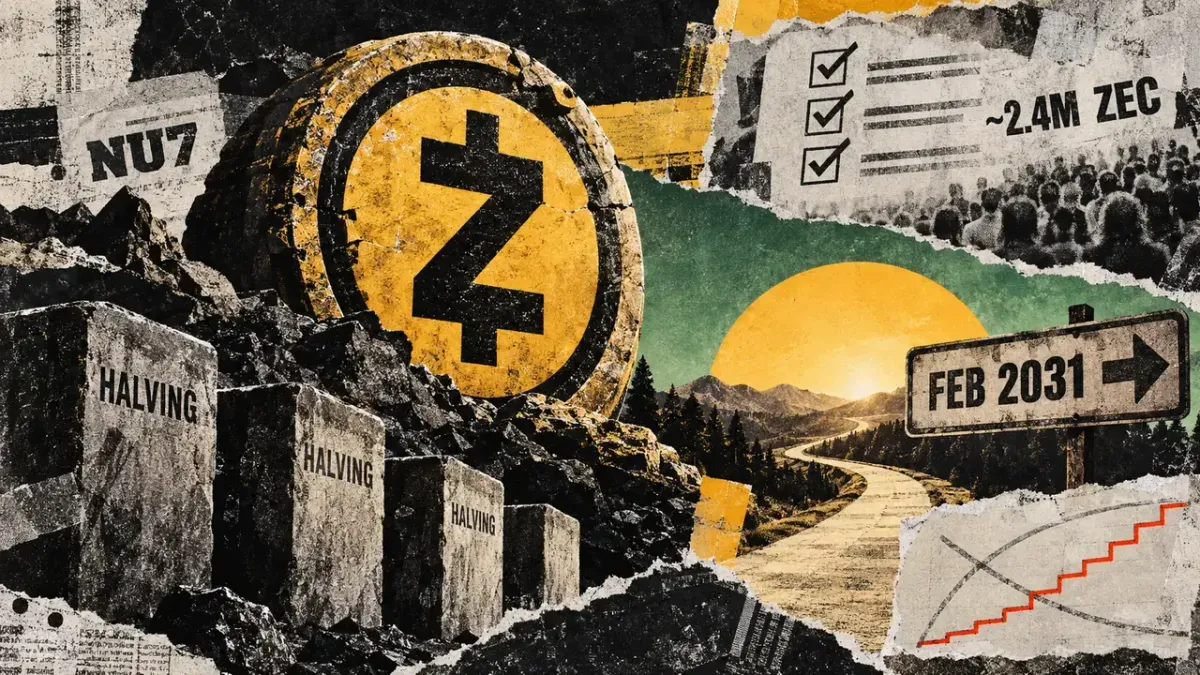
Zcash community votes to maintain halvings while delaying recycled ZEC until 2031
Zcash surges 168% in a month, nearing $1,400 after halving decision

Zcash miner Fortitude names former Hut 8 chief Jaime Leverton CEO ahead of Nasdaq deal
