Live markets: Bitcoin dips below $80,000 as producer price inflation surges to 6%

Bitcoin has dipped below the $80,000 mark as the latest U.S. producer price index (PPI) data revealed a surprising surge to 6% in April, well above market expectations. This unexpected rise in inflation is reigniting fears of an economic environment that could see tightening monetary policy from the Federal Reserve. The ongoing volatility in oil prices, combined with geopolitical tensions related to Iran, has compounded concerns over sustained inflationary pressures. As a result, traders and investors have been reacting swiftly, pushing Bitcoin down from its previous highs.
To understand the significance of this dip, it’s essential to consider the broader economic context. The PPI measures the average change over time in the selling prices received by domestic producers for their output. A higher-than-expected PPI can signal that inflation is becoming entrenched, prompting central banks to consider tightening interest rates. This is particularly relevant as the Federal Reserve has been closely monitoring inflation indicators, and any suggestion of a more aggressive stance could impact risk assets, including cryptocurrencies. Bitcoin, often viewed as a hedge against inflation, is now facing renewed scrutiny as inflation concerns resurface.
The current market dynamics are crucial for Bitcoin and other cryptocurrencies. As inflation fears rise, traditional investors may reconsider their risk appetites, leading to a potential shift in capital allocation away from digital assets. Additionally, the correlation between Bitcoin and traditional equities has increased recently, meaning any significant shifts in the stock market due to inflationary pressures could also affect crypto prices. The breach of the $80,000 threshold signals a psychological level for investors, and sustained trading below this mark may lead to further sell-offs.
Industry experts have been vocal in their analyses of the situation. Some believe that this dip is temporary, attributing it to overreactions in the market. Others caution that if the inflation trend persists, it could lead to a more prolonged bear phase for Bitcoin. Analysts suggest that the cryptocurrency market is in a delicate balance; while Bitcoin can serve as an inflation hedge, its current performance may indicate that investors are seeking safer assets amid economic uncertainty.
Looking ahead, attention will be focused on upcoming economic data releases and Federal Reserve meetings, which will provide further clarity on monetary policy direction. Market participants will also be watching the oil market closely, as any shifts in supply dynamics, particularly regarding Iran, could exacerbate inflation concerns. For Bitcoin, the next few weeks will be pivotal in determining whether this dip marks a temporary adjustment or a more significant shift in market sentiment.

CoinMagnetic Team
Crypto investors since 2017. We trade with our own money and test every exchange ourselves.
Updated: May 2026
From our insights:
Related news

OpenAI cuts prices 50% on mid-tier models as Anthropic unveils Claude Opus 5.5

Bernstein revises prediction markets to $10 trillion by 2035, up from $1 trillion
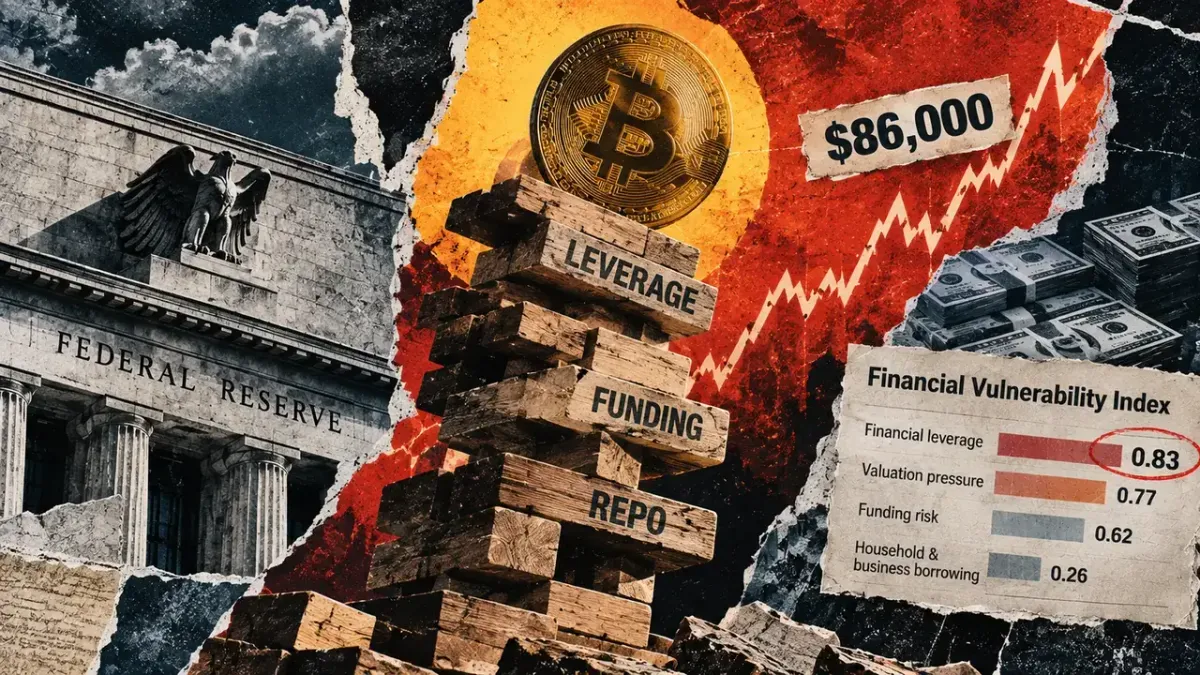
New Fed data reveals potential dangers in Bitcoin's rally

Anthropic’s New Claude Opus 5.5 Matches Fable at 60% the Price

Elon Musk's influence drives Dogecoin to highest price in months