Limitless CEO says no prediction market platform will dominate, citing perpetual futures precedent

In a recent interview with Bernstein, Limitless CEO CJ Hetherington discussed the future of prediction market platforms, suggesting that no single platform is likely to dominate the landscape. Hetherington drew parallels to the perpetual futures market in crypto, emphasizing that multiple players can coexist and thrive rather than a singular platform rising to the top. He believes the potential for prediction markets is immense, estimating the institutional opportunity to be ten times that of the sports betting market, which has seen substantial growth in recent years.
To understand Hetherington's perspective, it's essential to consider the evolution of prediction markets alongside other trading platforms. Traditionally, markets like sports betting have established themselves as reliable sources of income, attracting both retail and institutional investors. The rise of decentralized finance (DeFi) has introduced new dynamics to these markets, enabling users to engage in prediction markets with enhanced transparency and security. By comparing prediction markets to perpetual futures, Hetherington underscores the importance of a diverse ecosystem where various platforms can provide unique offerings to their users.
This assertion could have significant implications for the market as it suggests that competition among prediction market platforms may drive innovation and improve user experiences. With a decentralized approach, users could benefit from a variety of tools tailored to their specific needs, rather than being restricted to a single platform. Additionally, as institutional players begin to recognize the potential in prediction markets, the influx of capital could further stimulate growth and development across the industry.
Industry experts have responded positively to Hetherington's insights, acknowledging that the decentralized nature of blockchain technology allows for multiple platforms to coexist. Many believe that competition fosters innovation, which can lead to enhanced features and functionalities that benefit users. Additionally, some analysts emphasize the importance of regulatory clarity in establishing a robust prediction market environment that can attract institutional investment, further validating Hetherington's claims about the market's potential.
Looking ahead, the prediction market space may experience rapid evolution as new players enter the field and existing platforms enhance their offerings. As more institutions begin to explore these markets, it will be crucial for them to navigate the regulatory landscape effectively. The coming months could see increased collaboration between platforms, as well as innovations aimed at capturing a larger share of the market. Ultimately, the future of prediction markets remains bright, with diverse platforms likely to shape the landscape in ways that continue to surprise both investors and users alike.

CoinMagnetic Team
Crypto investors since 2017. We trade with our own money and test every exchange ourselves.
Updated: June 2026
From our insights:
Related news

Bitcoin's weekly close above $81,000 signals potential rise to $90,000

Elon Musk's X integrates bitcoin trading options for U.S. users
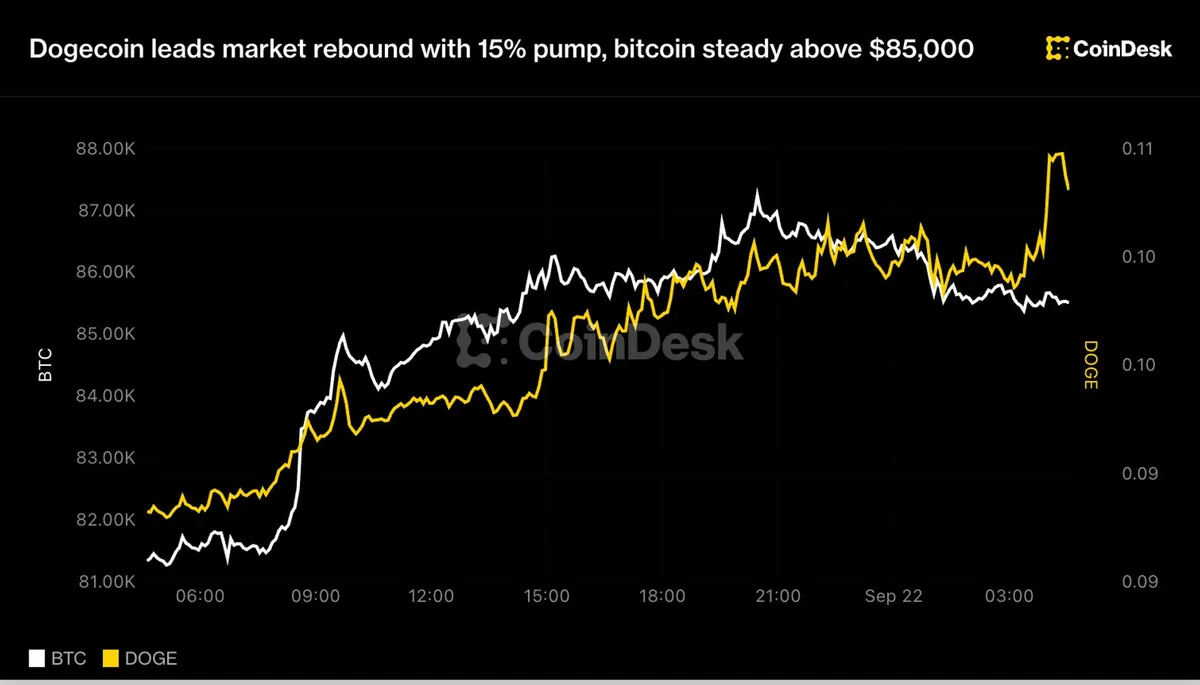
Dogecoin's 15% surge drives market recovery as bitcoin stabilizes above $85,000

Cardano adds tools for AI agent payments, joining Solana and XRP Ledger

Trueo prediction market moves from Base to Ethereum