Ledger and Trezor stress responsibility for AI bug hunters on disclosures

In a recent discussion involving Ledger's Chief Technology Officer, the topic of responsibility for AI bug hunters has taken center stage. The CTO emphasized the importance of researchers publishing their findings if vendors do not address bugs within a specified disclosure window. This statement is particularly relevant in the context of increasing vulnerabilities in crypto wallets, where security plays a crucial role in maintaining user trust and the integrity of digital assets. The call for responsibility underscores the balance that must be struck between ethical disclosure and the urgency of addressing security flaws.
The conversation around bug disclosure is not new, but it has gained renewed attention as security issues within the cryptocurrency sector become more frequent. With the rapid development of AI tools and their capabilities in identifying security flaws, the potential for misuse and 'attention farming'–where researchers might exploit vulnerabilities for clout rather than public good–has raised alarms. Ledger and Trezor, two of the leading hardware wallet providers, are at the forefront of this discussion, advocating for a clear protocol that benefits both researchers and the broader community.
This matter is significant for the market as it directly impacts user confidence in the security of their assets. If researchers prioritize public disclosure over the responsible communication with vendors, it could lead to a rush of exploits before fixes are implemented. Such scenarios could result in increased losses for users and diminished trust in digital wallets, which are critical for the broad adoption of cryptocurrencies. As security remains a top concern, the industry must establish best practices for vulnerability reporting and disclosure.
Industry reactions have been mixed, with many experts supporting the call for responsibility among researchers. Some argue that the focus should remain on collaboration between researchers and companies to ensure timely fixes while others express concern over the potential for researchers to gain fame at the expense of user safety. The debate highlights the complexities of vulnerability management in a rapidly evolving technological landscape, where the stakes are incredibly high.
Looking ahead, the dialogue between wallet providers and security researchers is likely to evolve. There may be an increased emphasis on creating formalized guidelines for responsible disclosure that align the interests of both parties. As the cryptocurrency space continues to mature, establishing trust in the security processes will be essential for fostering user confidence and encouraging broader adoption.

CoinMagnetic Team
Crypto investors since 2017. We trade with our own money and test every exchange ourselves.
Updated: September 2026
From our insights:
Related news

Bitcoin stabilizes during Asia hours following a 3 percent drop driven by stock market AI fears
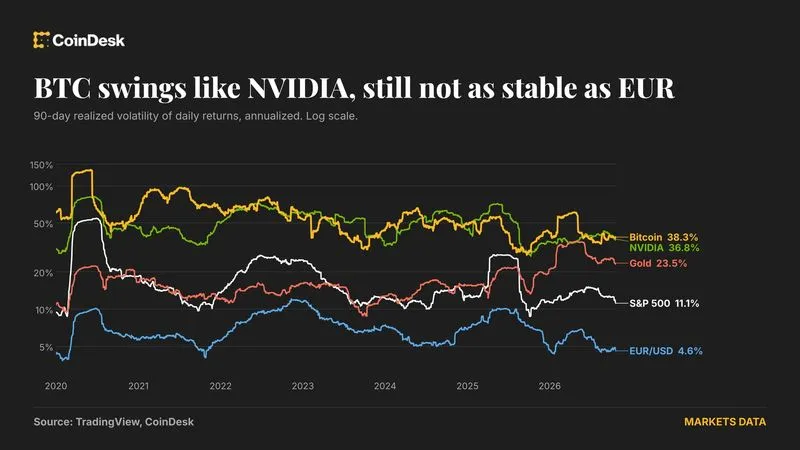
Bitcoin volatility cools to match Nvidia levels while staying above the euro
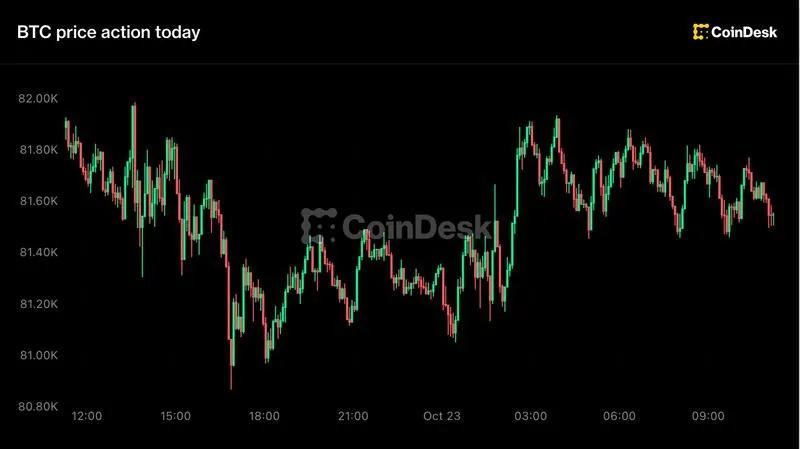
Bitcoin maintains the $81,000 level as oil prices rise and tech futures stabilize
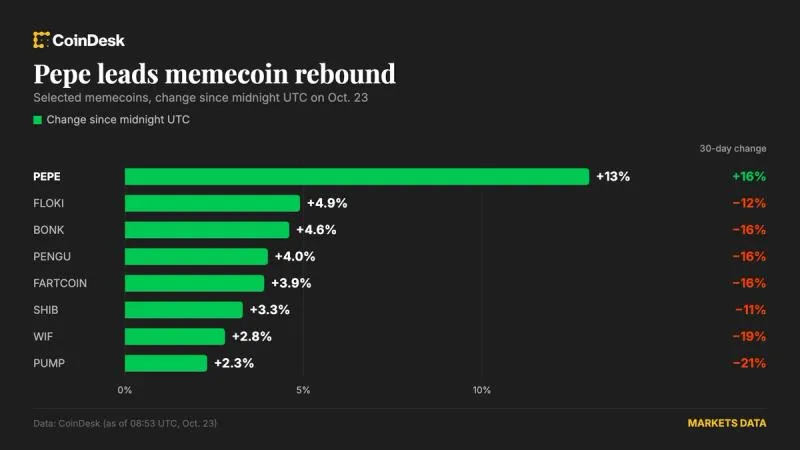
Bitcoin holds around $81,700 while memecoins lead a broader market rebound

Bitcoin midterm cycle divergence points to an early bear-market bottom