Ledger urges Asian resellers to halt device sales following an $86 million drain
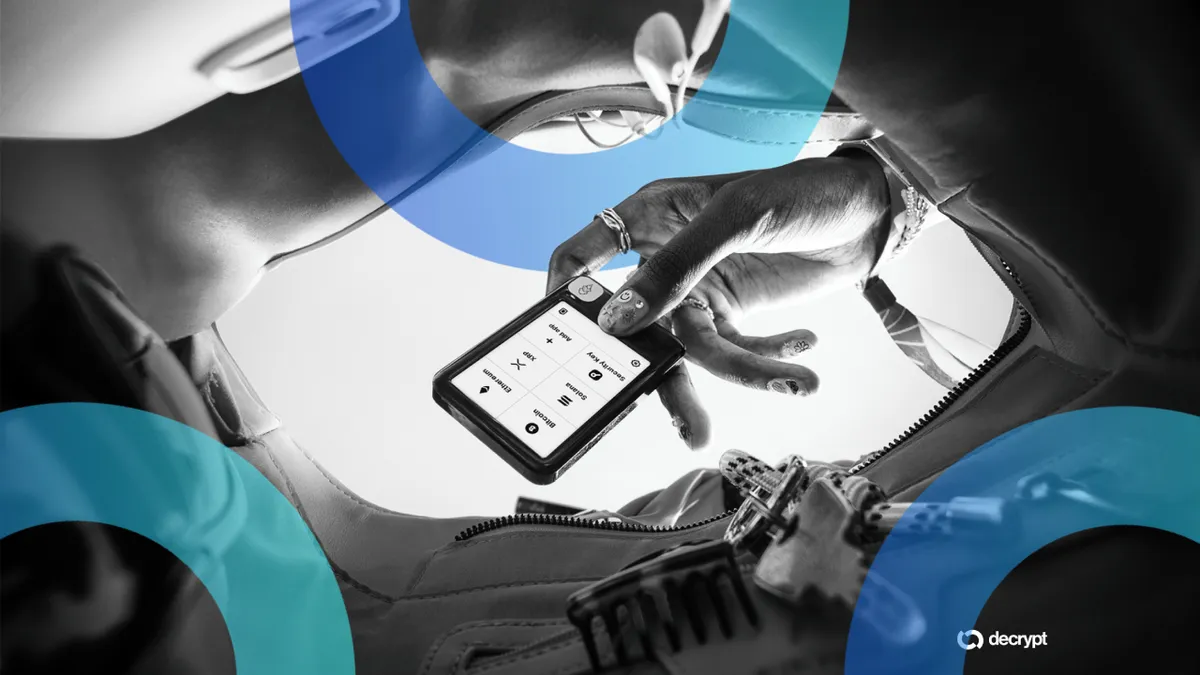
As the crypto community processes the latest security developments, we are closely following Ledger and its recent directive to resellers across seven Asian markets to pull hardware devices off their shelves. This precautionary step comes in the wake of a suspected $86 million drain that has raised serious questions about physical supply chain vulnerabilities in cold storage solutions. The situation escalated further as major European electronics retailer MediaMarkt Saturn also halted Ledger sales after a customer in Germany reportedly discovered an unauthorized hardware implant inside a device.
Hardware wallets have long been considered the gold standard for cryptocurrency security, offering offline protection against online exploits and exchange collapses. Brands like Ledger have built their reputations on the premise that keys stored physically away from the internet remain impervious to remote theft. However, incidents involving compromised supply chains or physical tampering shift the threat model from purely digital vectors to the physical distribution network, reminding users that intermediaries play a critical role in overall ecosystem security.
This incident matters profoundly for the broader digital asset market because consumer trust forms the bedrock of self-custody adoption. When doubts emerge regarding the integrity of physical hardware, users may hesitate to move funds off centralized exchanges, potentially slowing the wider adoption of decentralized asset management. Hardware security incidents remind both manufacturers and everyday investors that the entire chain of custody, from factory floor to retail shelf, requires rigorous verification and absolute transparency.
Industry reactions have centered on the need for enhanced verification protocols and greater scrutiny of third-party distribution channels. Security researchers and community members are urging hardware wallet manufacturers to implement cryptographic proof of authenticity that can be checked directly by the end user before any initialization takes place. Conversations across forums highlight a growing consensus that physical tampering detection must evolve as rapidly as software-based security measures.
Looking ahead, Ledger and other major industry players will likely face increased pressure to overhaul how devices are distributed and verified in international markets. As investigations into the Asian market incidents and the European retail discovery continue, the focus will shift toward tighter supply chain audits and clearer guidelines for authorized resellers. For us at CoinMagnetic, this unfolding story underscores a timeless market lesson: security is an ongoing process that demands vigilance at every single link in the chain.

CoinMagnetic Team
Crypto investors since 2017. We trade with our own money and test every exchange ourselves.
Updated: October 2026
From our insights:
Related news

Gold and bitcoin increasingly seen as complementary assets in portfolios

StarkWare opens OffMarket to give Polymarket users private trading

Hot US CPI inflation pushes bond yields to 24-year highs as bitcoin drops

Hex Founder Richard Heart Detained in Istanbul on Interpol Red Notice: Report

Justin Drake's bunker mode suggestion fails to convince crypto critics