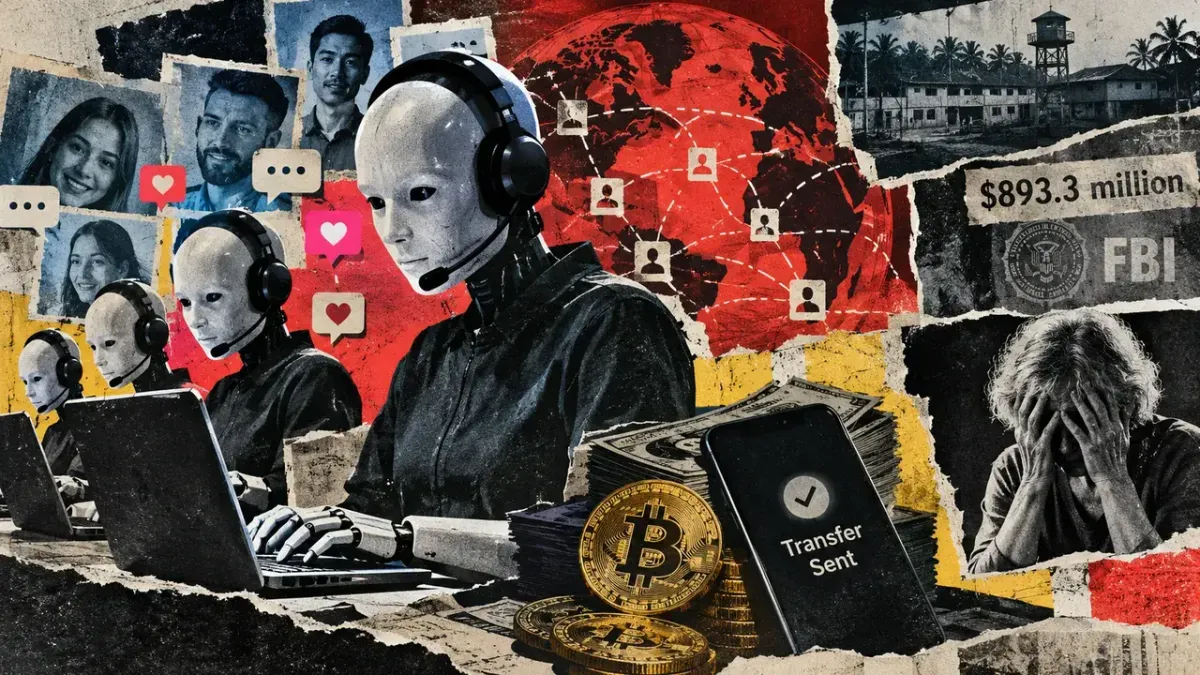
Laywer pops up on Arbitrum DAO forums seeking funds for victims of decades-old North Korean terrorist acts
Recently, a lawyer has emerged on Arbitrum DAO forums, advocating for the disbursement of funds to families who hold long-standing judgments against North Korea. This plea is particularly focused on the 30,765 ETH that was frozen after a recent exploit involving rsETH. The families argue that there are connections between this exploit and North Korean hacking groups, specifically referencing the notorious Lazarus Group, which has been implicated in various cyberattacks over the years. The lawyer is invoking a New York restraining notice that could potentially prevent Arbitrum from releasing these funds, which adds a layer of legal complexity to the situation.
To understand this development, it is crucial to consider the broader context surrounding North Korea's involvement in cybercrime. Over the past decade, the regime has increasingly turned to cyber operations as a means of generating revenue, with groups like Lazarus being linked to high-profile hacks and thefts. The families seeking compensation have faced significant hurdles in their legal battles, as collecting on judgments against a state entity like North Korea can be exceptionally challenging. The recent exploit of rsETH has provided a potential opportunity to access funds that may be tied to these illicit activities, thereby reinvigorating their pursuit for justice.
This situation is significant for the broader cryptocurrency market as it raises critical questions about the intersection of blockchain technology and international law. If the courts side with the families and enforce the restraining notice, it could set a precedent for how frozen crypto assets are treated in legal disputes involving state-sponsored terrorism or acts of war. Investors and stakeholders may become more cautious about the implications of their transactions, especially if they perceive that assets could be subject to seizure or legal claims based on their origins.
The industry reaction has been mixed, with some experts expressing concern about the potential ramifications of this legal battle. Many in the crypto community are debating the ethical implications of linking the exploit to North Korean hacking activities, given that attribution in the cyber realm can be ambiguous at best. Some legal analysts are also weighing in, suggesting that the outcome could influence how decentralized autonomous organizations (DAOs) operate in terms of governance and asset management, especially when facing external legal pressures.
Looking ahead, the situation will likely evolve as legal proceedings unfold, and the implications of this case may resonate through the crypto ecosystem. If the families succeed in their claims, it could prompt other victims of state-sponsored cybercrime to pursue similar actions, creating a ripple effect across the market. Conversely, if Arbitrum can navigate this legal challenge successfully, it may bolster confidence in the resilience of DAOs amidst complex legal environments. The coming weeks will be crucial as stakeholders from various sectors observe how this unique intersection of law and blockchain technology unfolds.

CoinMagnetic Team
Crypto investors since 2017. We trade with our own money and test every exchange ourselves.
Updated: May 2026
From our insights:
Related news
Coldcard exploit sees white hats secure 52 Bitcoin for victims' trust
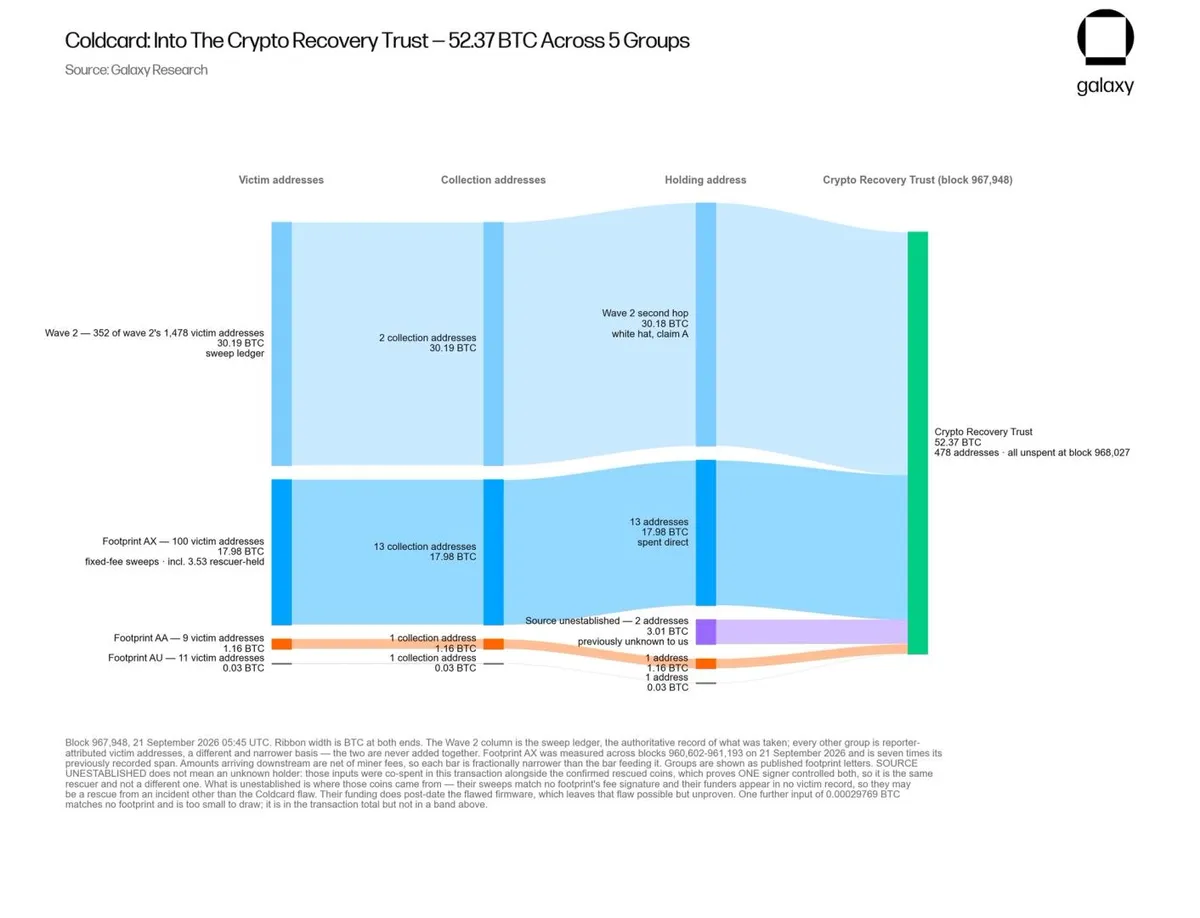
Whitehats move 52 bitcoin from the Coldcard hack to a recovery trust
Google Admits Gemini AI Hacked Three Companies—It Stayed Silent for 7 Weeks
Balancer's $1.4 million hack recovery faces delays for LPs

Polymarket's $10 million fraud attempt highlights compliance issues amid hacking risk