Layer 2 scaling networks process Ethereum transactions off base chain

At CoinMagnetic, we have been closely following how Layer 2 scaling solutions are transforming the way major blockchains handle growing user activity. These networks are designed to help chains like Ethereum process more transactions without forcing every single action to happen directly on the base chain. As decentralized ecosystems expand, managing network capacity efficiently remains one of the core technical challenges for developers and users alike.
To understand the current architecture, we have to look at the inherent trade-offs of base layers. Ethereum's main network offers exceptional security and decentralization, but its blockspace is strictly limited. When network demand rises, transaction fees increase significantly, and everyday users can easily get priced out of the ecosystem. This bottleneck has historically created friction during periods of high market activity and network congestion.
Layer 2 solutions directly address this constraint by moving transaction activity to separate scaling environments that sit alongside Ethereum. While these systems handle heavy lifting off the main chain, they still rely on Ethereum for essential functions like settlement, security, data posting, or verification. This hybrid approach allows networks to maintain the foundational trust guarantees of the underlying blockchain while achieving vastly superior throughput.
The broader crypto industry has increasingly rallied around these scaling architectures as a practical path toward mass adoption. Developers across various projects continue to refine the most important Layer 2 designs, focusing on user experience, cost reduction, and security guarantees. Market observers note that the success of these scaling layers is vital for onboarding millions of new participants into decentralized finance and digital asset applications.
Looking ahead, we expect the competition and collaboration among different Layer 2 frameworks to shape the infrastructure of the entire digital asset economy. As these technologies mature, seamless interoperability and robust security frameworks will determine which scaling models ultimately capture long-term adoption across the decentralized web.

CoinMagnetic Team
Crypto investors since 2017. We trade with our own money and test every exchange ourselves.
Updated: October 2026
From our insights:
Related news

Live updates: Bitcoin’s round trip to $85,000 burns traders on both sides

Starknet voters back research into life beyond Ethereum
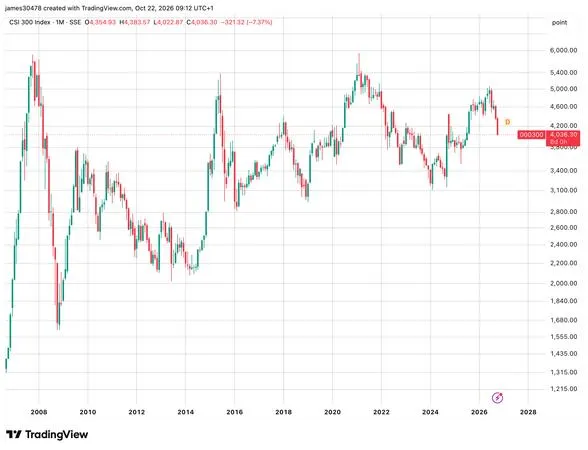
China entering bear market drags down Asian shares and pushes bitcoin lower

XRP Ledger bug fix delayed to November following a validator support drop
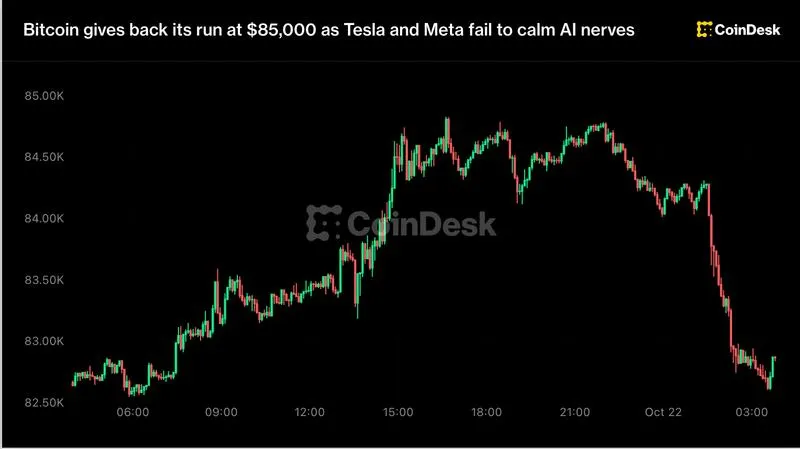
Tech equity drops drag bitcoin down from its brief push past $84,000