Lawyers Apologize After Fake Claude-Generated Quotes Appear in Trump Layoffs Case
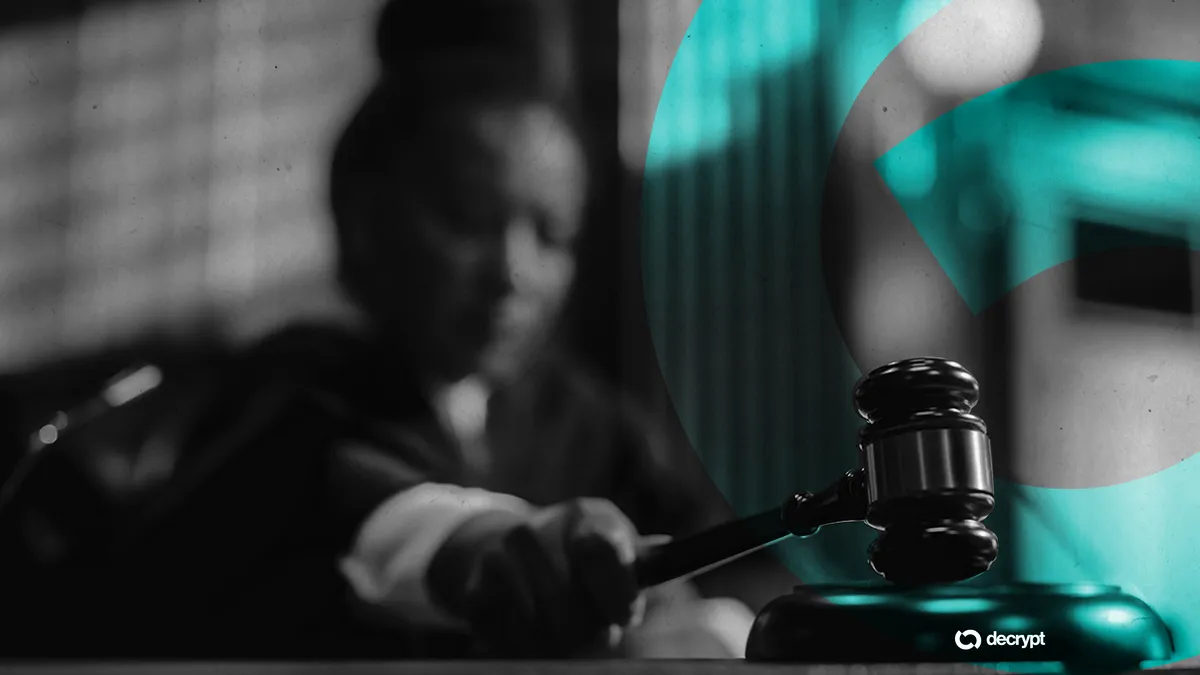
In a surprising turn of events, attorneys representing a former Homeland Security official have publicly apologized after it was revealed that they used Anthropic’s Claude Console to draft a court filing that contained fabricated quotes. This incident occurred in the context of a legal case concerning layoffs linked to the Trump administration. The lawyers acknowledged that their reliance on the AI tool led to the inclusion of misleading information, which has raised significant concerns about the integrity of legal documents and the role of artificial intelligence in the legal profession.
The context of this incident is rooted in the increasing incorporation of AI technologies in various sectors, including law. As legal professionals seek to enhance efficiency and streamline document preparation, tools like Claude Console have gained popularity. However, this case highlights the risks associated with using AI-generated content without proper verification. The reliance on AI for such a sensitive matter as a legal filing raises questions about accountability and the potential consequences of misinformation within legal proceedings.
This situation is particularly important for the market, as it underscores the growing need for regulatory frameworks governing the use of AI in critical sectors. The implications extend beyond the immediate legal ramifications for the attorneys involved; they touch upon broader concerns about the reliability of AI-generated content in high-stakes environments. As the legal landscape adapts to technological advancements, stakeholders will need to consider how to maintain standards of integrity and trustworthiness amidst the integration of AI tools.
Industry reaction has been mixed, with some legal experts expressing concern over the precedent this case sets for future AI use in law. Many are calling for clearer guidelines on the acceptable use of AI in drafting legal documents, emphasizing the necessity for rigorous fact-checking and human oversight. Others argue that while AI tools can enhance productivity, their limitations must be acknowledged, and legal practitioners should remain vigilant in verifying the accuracy of any AI-generated information.
Looking ahead, it is likely that this incident will catalyze discussions around the ethical implications of AI in legal settings. We can expect further scrutiny of AI tools and their applications, prompting law firms and legal institutions to reassess their reliance on such technologies. As the industry grapples with these challenges, the development of best practices and regulations surrounding AI usage may emerge as a crucial focus, shaping the future landscape of legal practice in a technology-driven world.

CoinMagnetic Team
Crypto investors since 2017. We trade with our own money and test every exchange ourselves.
Updated: May 2026
From our insights:
Related news

ECB and EU central banks propose liquidity thresholds for stablecoins
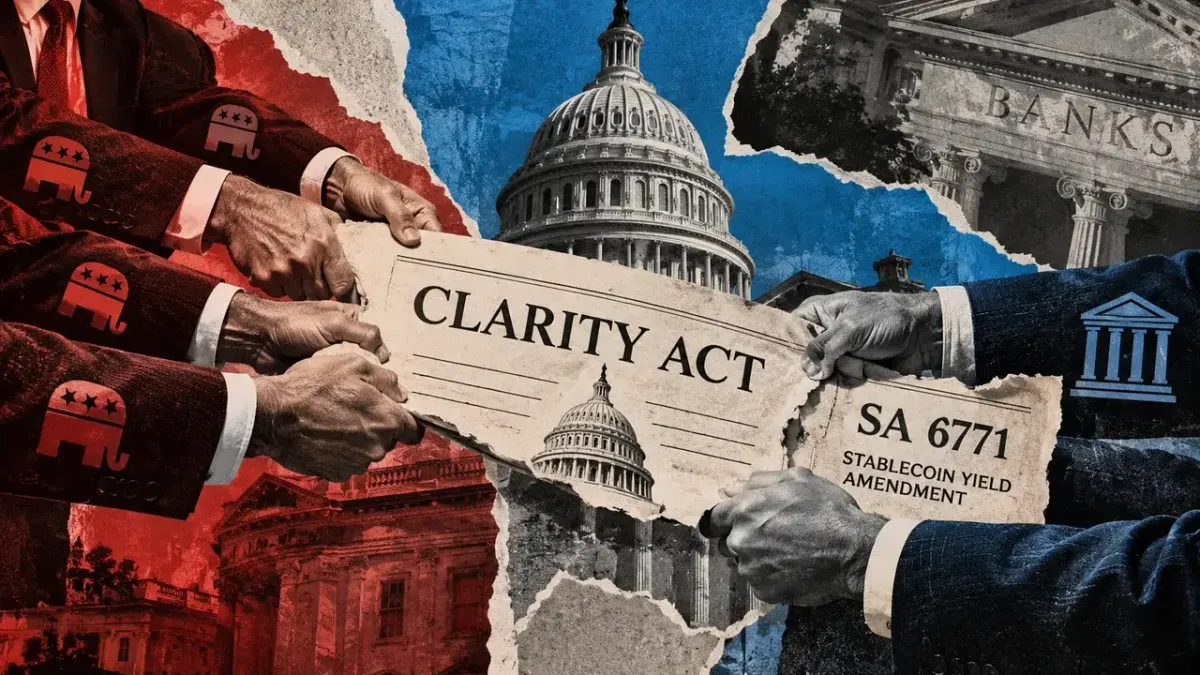
Four GOP senators backing CLARITY Act seek changes to stablecoin provisions

US investigates Binance for potential Iran-linked trading violations
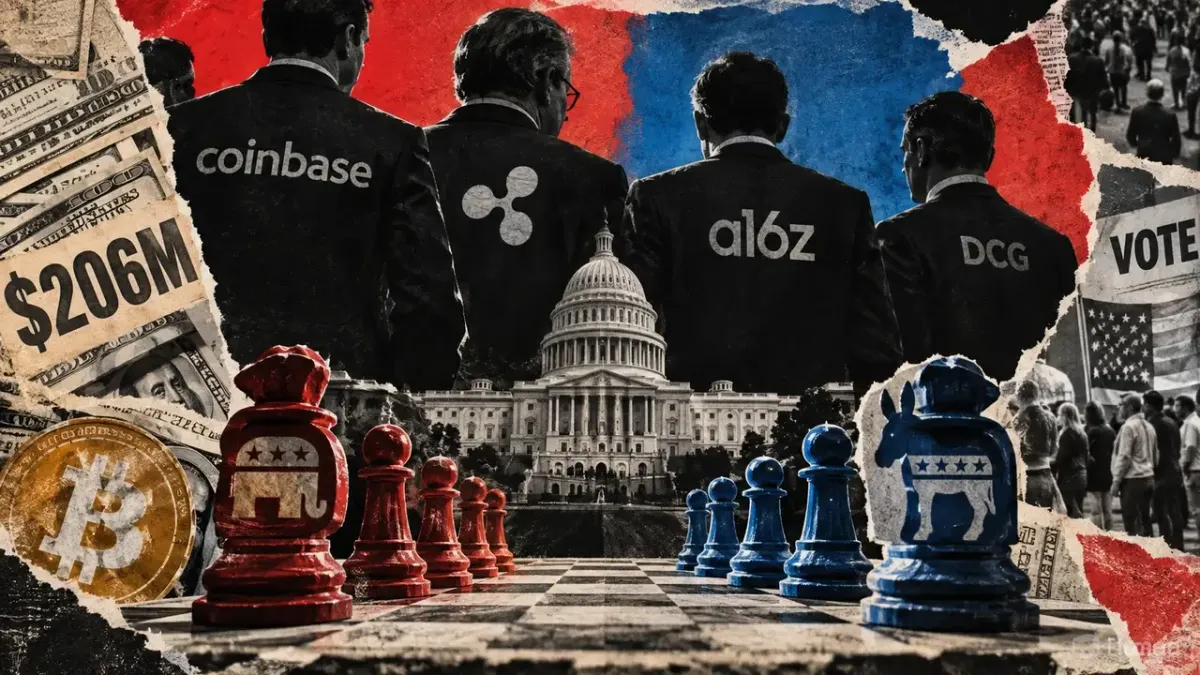
Crypto sector emerges as top donor with $206 million in midterms backing
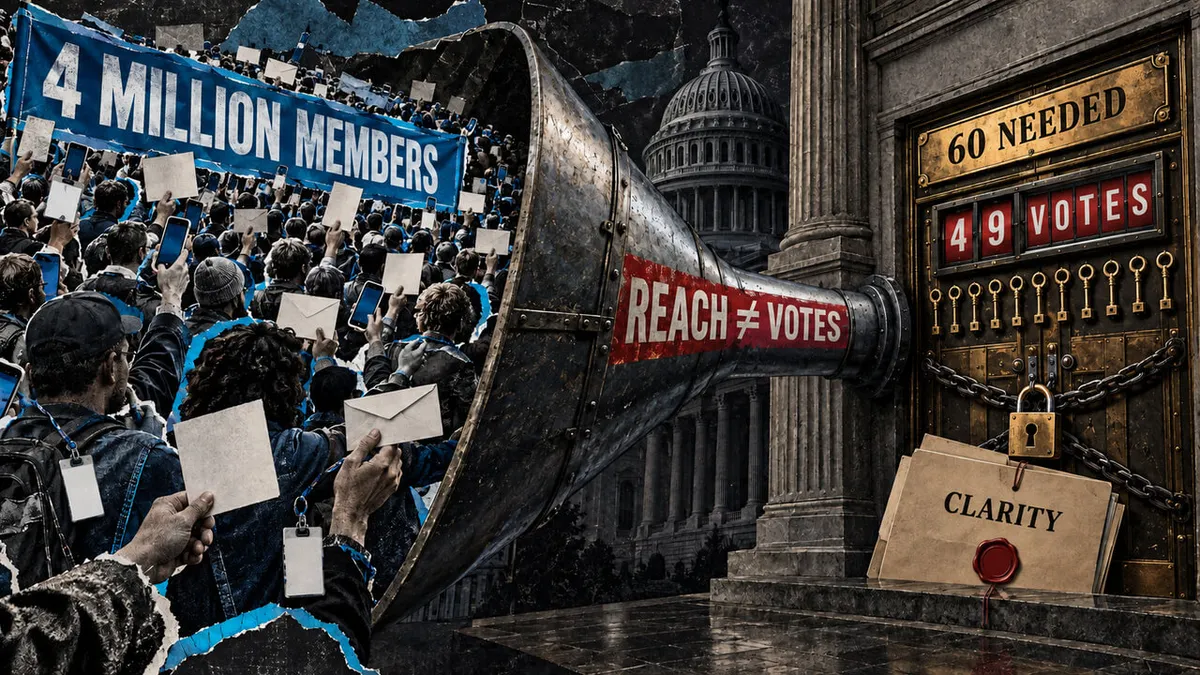
Stand With Crypto’s 4 million registered advocates couldn’t get the CLARITY Act through the Senate