Lawsuit claims 3.8M dormant BTC using police lost-and-found rules as Congress races to stop it with CLARITY
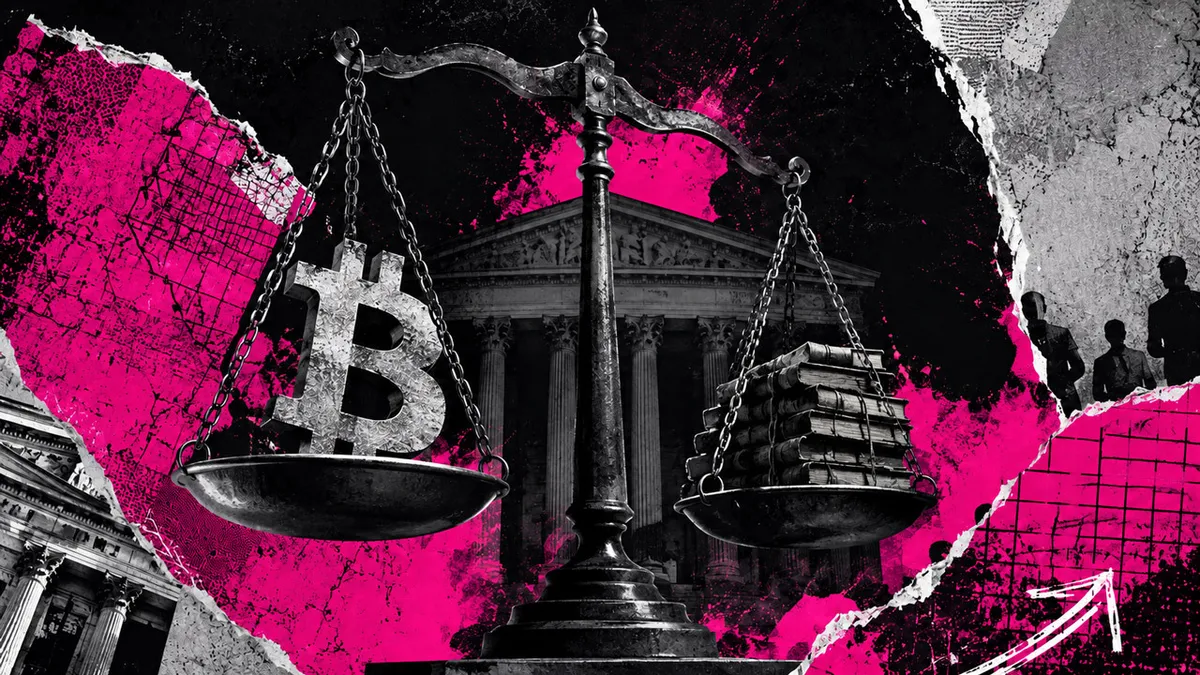
A recent lawsuit has emerged, claiming that approximately 3.8 million Bitcoin (BTC) are effectively dormant and should be considered abandoned under police lost-and-found rules. This lawsuit comes at a time when Congress is actively working on legislation known as the CLARITY Act, which aims to clarify the ownership and status of self-custodied digital assets. Section 20216 of the latest draft of the CLARITY Act proposes that a self-custodied digital asset cannot be deemed abandoned or unclaimed simply due to inactivity or the owner’s lack of engagement with it. This legal framework is designed to prevent state and local laws from encroaching on the autonomy of digital asset holders.
To understand the implications of this lawsuit, we must look back at how digital assets have historically been treated in the legal landscape. The intersection of property law and cryptocurrency has been a gray area, with varying interpretations across jurisdictions. Traditionally, assets can become abandoned if their owners do not claim them within a certain period. However, the unique nature of cryptocurrencies, particularly the self-custody aspect, complicates matters. Proponents of the CLARITY Act argue that these digital assets should not be subjected to the same rules that apply to physical property, as inactivity does not equate to abandonment in the crypto world.
The significance of this issue extends far beyond the individual lawsuit. If the court were to side with the plaintiffs and recognize dormant Bitcoin as abandoned, it could set a precedent that may lead to a significant loss of assets for holders who have not actively managed their wallets. Such a ruling could trigger widespread panic among crypto investors, resulting in market instability. Conversely, if the CLARITY Act is passed, it would provide much-needed regulatory clarity, protecting investors and reinforcing the notion that self-custodied digital assets remain the property of their owners regardless of activity levels.
Reactions from industry experts have varied, with many voicing strong support for the CLARITY Act. Crypto advocates argue that the legislation is crucial for fostering a stable investment environment, allowing individuals to feel secure in their ownership without fear of losing their assets due to inactivity. On the other hand, some skeptics caution that the act may inadvertently create loopholes that could be exploited, leading to complications in enforcement and compliance. The discussion surrounding this issue is ongoing, reflecting the broader challenges faced by regulators as they attempt to adapt existing legal frameworks to the rapidly evolving digital asset landscape.
Looking ahead, the outcome of this lawsuit and the progress of the CLARITY Act will be pivotal for the future of cryptocurrency regulation in the United States. If Congress can successfully pass the legislation, it may quell fears surrounding asset abandonment and provide a solid foundation for digital asset ownership rights. However, until a resolution is reached, both investors and lawmakers will need to navigate a complex and uncertain legal environment that could have lasting implications for the crypto market.

CoinMagnetic Team
Crypto investors since 2017. We trade with our own money and test every exchange ourselves.
Updated: July 2026
From our insights:
Related news

LIBRA token dismissal shields Milei and 10 others from fraud claims

Sweden restricts staff to Microsoft Copilot while locking out ChatGPT and Claude

Preferred stock dividends fuel strategies for nearly 136,000 bitcoin acquisitions

Corporate pushback against SEC-exempt tokenized stocks masks long-term interest

Milei cleared of fraud allegations following the LIBRA memecoin crash