Regulatory scrutiny hits Coins.ph over offshore gaming transaction allegations
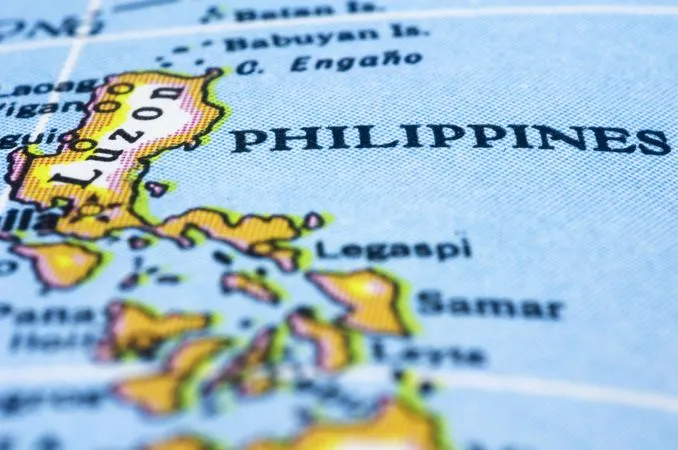
The Bangko Sentral ng Pilipinas is reportedly initiating regulatory action against Coins.ph, one of the largest cryptocurrency exchanges in the Philippines. Reports suggest that the exchange has processed business transactions linked to offshore gaming and gambling firms, which are strictly restricted under local financial regulations. With a user base exceeding 18 million customers, this development puts significant pressure on the platform as it faces potential disciplinary measures from the national central bank.
Coins.ph has historically served as a gateway for Filipinos to access digital assets, remittances, and bill payments, positioning itself as a vital component of the country's fintech ecosystem. Its operational history includes various licenses from the central bank, which categorize the platform as a virtual asset service provider. However, the intersection of digital asset platforms and the gaming sector remains a high-risk area for regulators, who are increasingly focused on preventing money laundering and ensuring compliance with strict anti-gambling statutes.
For the broader crypto market in the Philippines, this situation serves as a stern reminder of the growing friction between legacy financial oversight and the rapid expansion of digital service providers. As the government attempts to balance innovation with financial stability, any move against a major player like Coins.ph sends a ripple effect through the local industry. Market participants are now closely monitoring whether this investigation leads to temporary operational restrictions or more permanent changes to how domestic exchanges handle international partnerships.
Industry observers and legal experts have noted that the central bank's stance on offshore entities is non-negotiable. Many professionals in the space emphasize that while the crypto sector is designed for borderless trade, firms operating within the Philippine jurisdiction are expected to maintain rigorous due diligence processes that explicitly exclude high-risk offshore gambling associations. The reaction within the domestic fintech community suggests that companies will likely increase their focus on internal auditing to avoid similar regulatory scrutiny.
Looking ahead, the response from Coins.ph will be critical in determining the impact on its massive user base. The exchange must now navigate a complex regulatory environment while maintaining the confidence of its millions of customers. If the central bank proceeds with formal charges or fines, it could set a precedent for how other licensed digital asset providers in the region manage their business relationships moving forward.

CoinMagnetic Team
Crypto investors since 2017. We trade with our own money and test every exchange ourselves.
Updated: October 2026
From our insights:
Related news

BNY, Citadel Securities test tokenized U.S. Treasuries to speed up Wall Street financing
Character.AI seeks Delaware court sale after valuation peaked at $1 billion
SEC quorum rule shift signals potential acceleration in crypto oversight

BIS research highlights privacy potential and security hurdles for digital cash

Stealth LTE chip bypasses Secure Element to drain $86 million in crypto