Kraken to replace LayerZero with Chainlink to bridge assets across blockchains

In a significant shift in its operations, Kraken has announced that it will replace its current bridge solution powered by LayerZero with Chainlink's technology for cross-chain asset transfers. This decision comes on the heels of a recent exploit that saw approximately $292 million in assets compromised through a vulnerability in the LayerZero-powered Kelp bridge. The fallout from this incident has not only raised concerns about security within the blockchain ecosystem but has also prompted Kraken to act swiftly to protect its users and assets. This transition is expected to facilitate the movement of over $3 billion in total value locked (TVL) across various blockchains.
To understand the implications of this move, it's essential to consider the context surrounding LayerZero and the recent exploit. LayerZero, designed to enhance interoperability between different blockchains, has gained traction within the crypto community for its innovative approach. However, the exploit involving Kelp has put a spotlight on the vulnerabilities that can occur in decentralized finance (DeFi) systems. This incident has not only affected Kraken but has reverberated throughout the industry, highlighting the need for robust security mechanisms as DeFi continues to grow and innovate.
The migration to Chainlink's solution is significant for the market, as it underscores the increasing importance of security in the crypto space. Chainlink is recognized for its reliability and has established itself as a leader in decentralized oracles, which are essential for smart contracts to interact with real-world data. By opting for Chainlink, Kraken is likely aiming to bolster user confidence and attract more liquidity to its platform. This move may also influence other platforms to reassess their bridge solutions and security measures, potentially leading to a market-wide shift towards more secure and dependable technologies.
Industry experts have expressed a mix of concern and optimism regarding this transition. Some view Kraken's decision as a necessary step in response to the exploit and a sign of the evolving maturity of the crypto market. Others are cautious, emphasizing that the move to Chainlink does not eliminate risks associated with cross-chain operations. The situation has sparked discussions about the need for comprehensive audits, enhanced security protocols, and better governance structures within DeFi platforms to mitigate future vulnerabilities.
Looking ahead, the migration to Chainlink could signal a broader trend in the industry where platforms prioritize security and reliability over rapid innovation. As more players in the crypto space reassess their strategies and partnership choices, we may see an emphasis on building resilient infrastructures that can withstand potential exploits. For Kraken, successfully implementing Chainlink’s technology could not only restore confidence but also set a new standard for cross-chain asset transfers in the DeFi landscape. The coming months will be crucial in determining how this transition unfolds and how it impacts the broader market dynamics.

CoinMagnetic Team
Crypto investors since 2017. We trade with our own money and test every exchange ourselves.
Updated: May 2026
From our insights:
Related news

Coldcard exploit sees white hats secure 52 Bitcoin for victims' trust
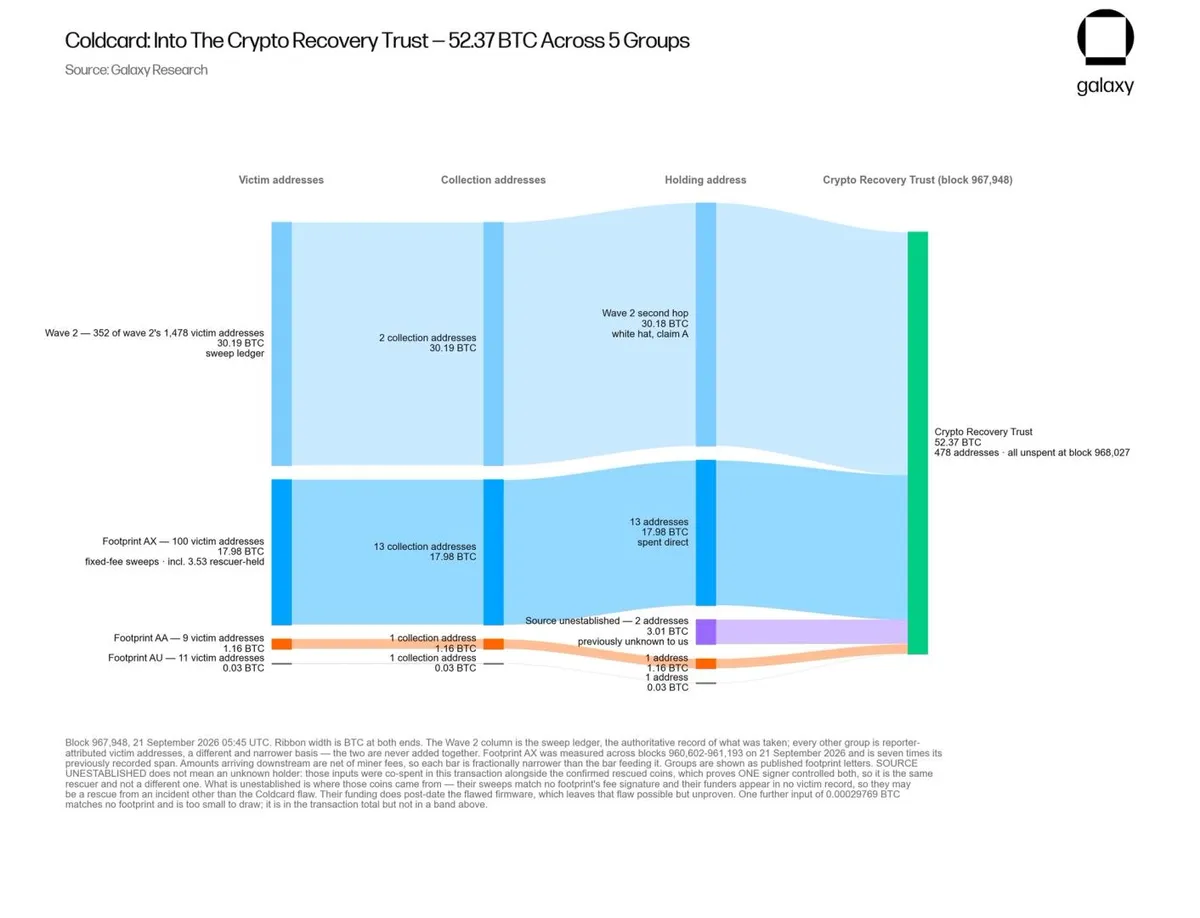
Whitehats move 52 bitcoin from the Coldcard hack to a recovery trust

Google Admits Gemini AI Hacked Three Companies—It Stayed Silent for 7 Weeks

Balancer's $1.4 million hack recovery faces delays for LPs

Polymarket's $10 million fraud attempt highlights compliance issues amid hacking risk