Kraken is force-selling 7 delisted tokens into dead markets, warning users insufficient liquidity could result in zero proceeds.
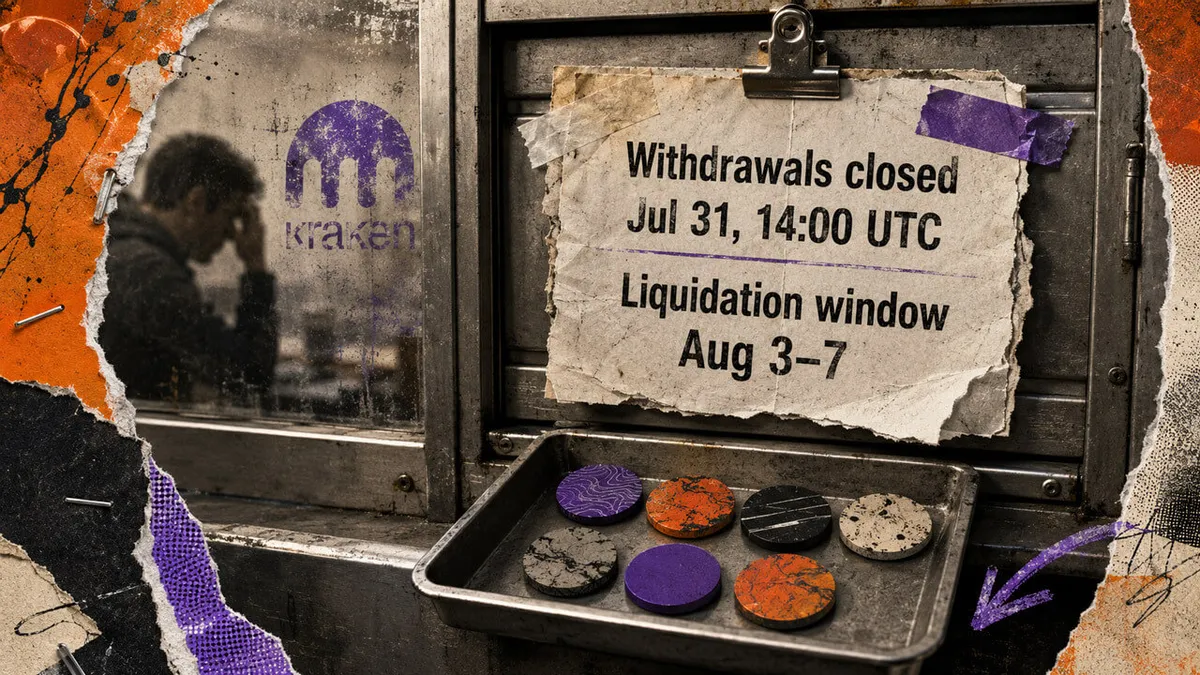
Kraken, one of the leading cryptocurrency exchanges, is currently in the process of force-selling seven tokens that have been delisted from its platform. The exchange has closed withdrawals as of July 31, leaving users with residual balances in these tokens. Over the next five days, Kraken plans to conduct this sale, although the specifics regarding the venue, sequence, fees, and settlement currency remain undisclosed. This move comes as a response to the lack of liquidity in the market for these delisted tokens, prompting the exchange to caution its users that they might receive zero proceeds from this forced liquidation.
The background of this situation is rooted in the ongoing evolution of cryptocurrency regulations and market dynamics. Tokens that fail to meet specific criteria or face regulatory scrutiny often find themselves facing delisting from major exchanges like Kraken. The exchange's decision to close withdrawals and begin selling these tokens reflects a broader trend in the industry where exchanges are increasingly taking a proactive stance on managing risk and ensuring compliance. Delisted tokens frequently struggle to maintain liquidity, and by force-selling them, Kraken is attempting to mitigate potential losses for both the exchange and its users.
This situation holds significant implications for the broader cryptocurrency market. The forceful liquidation of delisted tokens can create a ripple effect, potentially depressing prices further due to the influx of sell orders in thinly traded markets. It raises questions about the viability of certain cryptocurrencies and can contribute to a heightened sense of caution among investors. Moreover, the warning issued by Kraken highlights the inherent risks associated with trading lesser-known tokens, where liquidity is often scarce, and the risk of total loss is more pronounced. Such developments may influence investor behavior, leading to a more risk-averse approach in the market.
Industry reactions to Kraken's decision have been mixed. Some experts argue that this proactive measure is necessary to protect both the exchange and its users from the adverse effects of illiquid markets. Others, however, express concern about the lack of transparency regarding the sale's mechanics. The undisclosed details surrounding the venue, fees, and settlement currency leave many users in the dark, potentially undermining confidence in Kraken's handling of the situation. Additionally, industry commentators are debating the long-term implications for investor trust and the overall health of the cryptocurrency ecosystem as exchanges continue to navigate the complexities of regulation and market demand.
Looking ahead, it remains to be seen how this force-selling event will unfold and what impact it will have on the affected tokens and their communities. Kraken may need to consider revising its communication strategy to maintain user trust, especially in light of the concerns raised by its recent actions. As the cryptocurrency market continues to evolve, we can anticipate that exchanges will face increasing scrutiny regarding their operational decisions and the ways they manage risk in a rapidly changing environment.

CoinMagnetic Team
Crypto investors since 2017. We trade with our own money and test every exchange ourselves.
Updated: August 2026
From our insights:
Related news
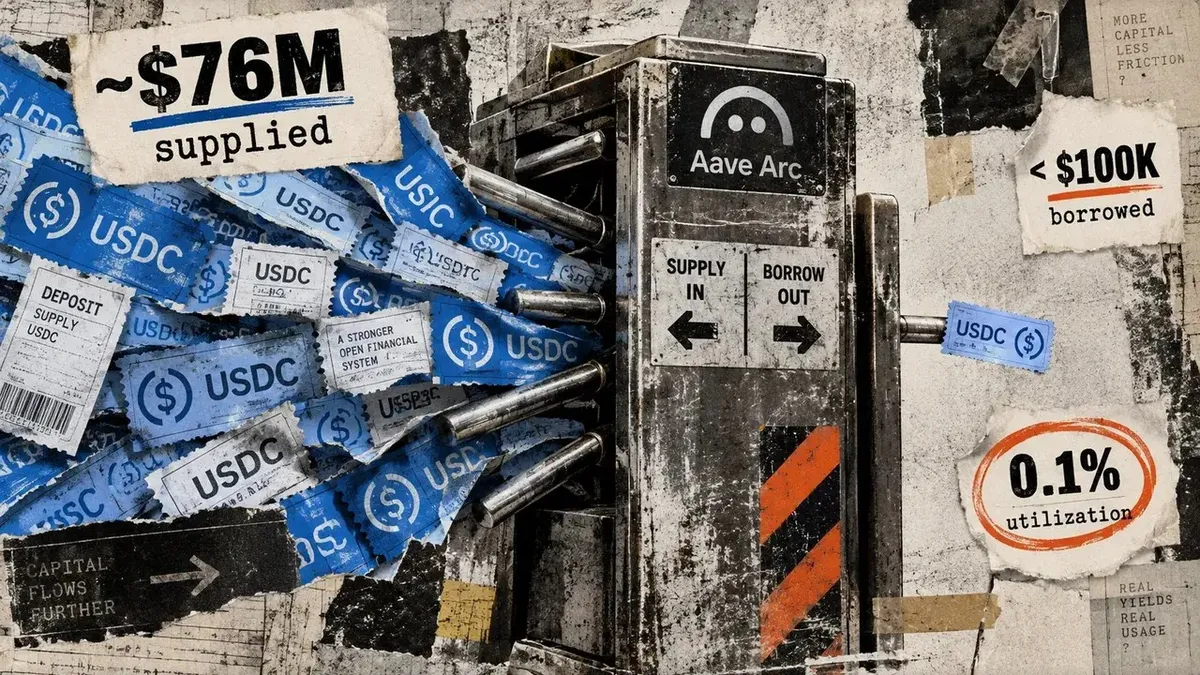
Aave V4’s Arc market is swimming in $76 million of USDC nobody is borrowing
SEC initiates five-year experiment for tokenized U.S. stock trading

Aave's 'Uber plan' aims to push DeFi adoption amid regulatory setbacks

Cardano transaction fees account for only 0.7% of staking rewards amid 72% drop

UK creates loophole for stablecoin payments amid crypto lending crackdown