Kentucky targets prediction markets, puts red state in potential clash with Trump team

Kentucky has recently made headlines by targeting prediction markets, a move that puts the state at odds with the views expressed by former President Donald Trump. In a notable development, the Kentucky Department of Financial Institutions has initiated actions against platforms like Kalshi and Polymarket, which allow users to bet on the outcomes of various political events and other future scenarios. This decision has raised eyebrows, particularly given Trump's vocal opposition to such markets, where he argues that states should not engage with these types of firms. As Kentucky takes a stand against prediction markets, it is setting the stage for a potential legal and political clash that could have wider implications.
The backdrop to this situation involves a growing interest in prediction markets, which have emerged as a unique intersection between finance and politics. These markets allow participants to speculate on future events, often providing insights that traditional polling methods may not capture. However, they have also attracted scrutiny from regulators who are concerned about the implications of allowing betting on political outcomes. Trump's stance against these markets adds another layer of complexity, as he represents a significant faction of the Republican party that favors a more hands-off approach to regulation, especially concerning gambling and betting activities.
This development matters for the market as it highlights the ongoing tension between state regulations and emerging financial technologies. By targeting prediction markets, Kentucky could set a precedent that other states might follow, potentially stifling innovation in this space. Conversely, if Kalshi and Polymarket can successfully challenge these regulations, it could embolden other states to adopt more lenient policies, fostering growth in the prediction market sector. The outcome of this confrontation could influence not only the future of prediction markets but also the broader landscape of political betting and its acceptance within the United States.
Industry reactions have been mixed, with some experts expressing concern over the implications of Kentucky's actions. Advocacy groups argue that such regulations could hinder the development of a space that offers valuable insights into public sentiment and decision-making processes. Others, however, support the state's efforts to maintain regulatory oversight in an area that could lead to ethical dilemmas and unforeseen consequences. The divergence of opinions reflects the broader debate within the industry about the balance between innovation and regulation, a discussion that is likely to intensify as states navigate this evolving landscape.
Looking ahead, the situation in Kentucky could set the stage for further regulatory scrutiny of prediction markets across the country. As other states observe the developments and outcomes of this case, we may see a shift in how lawmakers approach this burgeoning sector. The coming months will be critical as stakeholders on all sides prepare for potential legal battles, lobbying efforts, and public discourse surrounding the role of prediction markets in American society. The way this unfolds could have lasting implications for how political and financial markets interact in the future.

CoinMagnetic Team
Crypto investors since 2017. We trade with our own money and test every exchange ourselves.
Updated: June 2026
From our insights:
Related news

Bitcoin's weekly close above $81,000 signals potential rise to $90,000

Elon Musk's X integrates bitcoin trading options for U.S. users
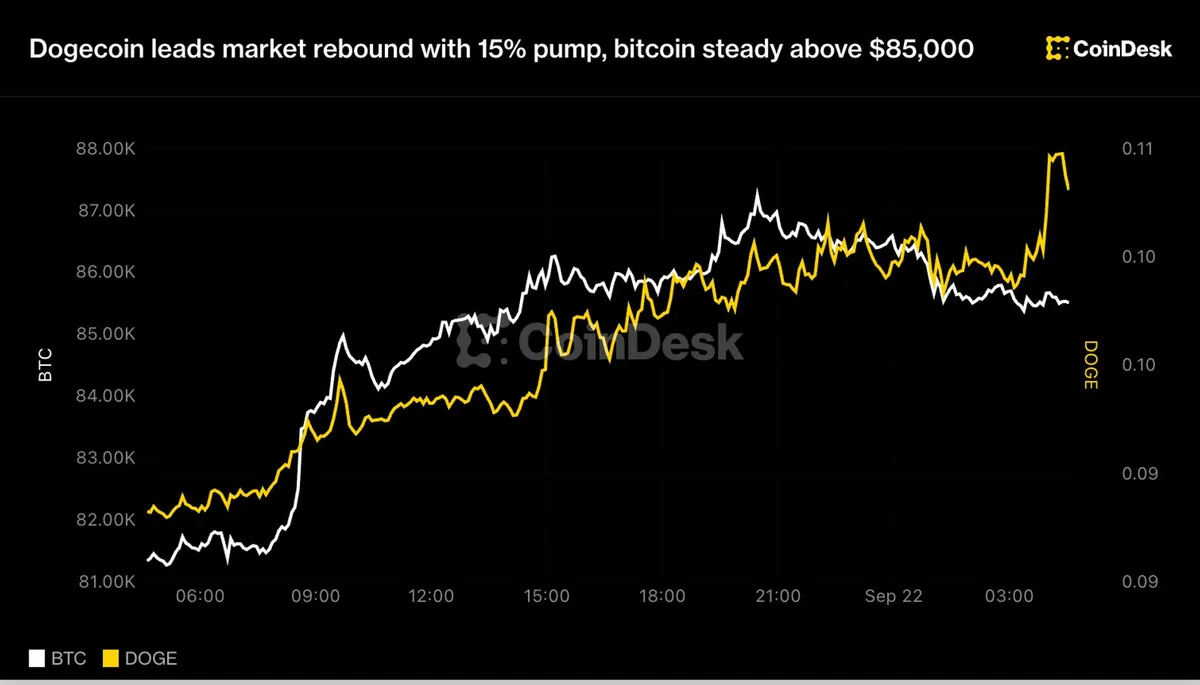
Dogecoin's 15% surge drives market recovery as bitcoin stabilizes above $85,000

Cardano adds tools for AI agent payments, joining Solana and XRP Ledger

Trueo prediction market moves from Base to Ethereum