Kentucky becomes latest state sued by CFTC over prediction markets
Kentucky has recently entered the fray in the ongoing legal tussle over prediction markets, as the Commodity Futures Trading Commission (CFTC) has filed a lawsuit against the state. This action underscores the federal agency's position that it has the authority to regulate such markets, which often operate on the fringes of traditional financial systems. The CFTC alleges that certain prediction markets operating within Kentucky may not be in compliance with federal regulations, raising questions about the legality and oversight of these platforms.
The backdrop to this legal challenge is a broader national conversation regarding the regulation of prediction markets, which allow users to bet on the outcomes of future events. These markets have gained popularity in recent years, particularly with advancements in blockchain technology and the growing interest in decentralized finance. As states like Kentucky grapple with how to address these emerging platforms, the CFTC's aggressive stance signals a commitment to ensuring regulatory frameworks are established to govern the rapidly evolving landscape of prediction markets.
This development is significant for the market as it highlights the ongoing regulatory scrutiny that cryptocurrency and related technologies continue to face. Kentucky's situation could set a precedent for how other states interact with the CFTC and tackle the complexities of regulating prediction markets. The implications of this lawsuit extend beyond Kentucky's borders, as they may influence how other jurisdictions approach the legality of similar platforms, affecting the market's growth potential and the operational landscape for businesses in this niche.
Industry reactions to the lawsuit have been mixed, with some experts applauding the CFTC's proactive approach in seeking to establish clear regulations, while others argue that such actions could stifle innovation and deter investment in the sector. Legal analysts suggest that this case could lead to clarifications in the law surrounding prediction markets, but they also caution that a heavy-handed regulatory approach could push these markets underground or drive them out of the United States altogether.
Looking ahead, the outcome of this lawsuit could have ripple effects throughout the industry. Stakeholders from prediction markets, blockchain technology firms, and even traditional financial institutions are closely monitoring how this case unfolds. As states and federal agencies continue to navigate the complexities of digital finance, the Kentucky lawsuit may serve as a crucial touchpoint for discussions about the future of prediction markets and their place within the broader financial ecosystem.

CoinMagnetic Team
Crypto investors since 2017. We trade with our own money and test every exchange ourselves.
Updated: June 2026
From our insights:
Related news

Bitcoin's weekly close above $81,000 signals potential rise to $90,000

Elon Musk's X integrates bitcoin trading options for U.S. users
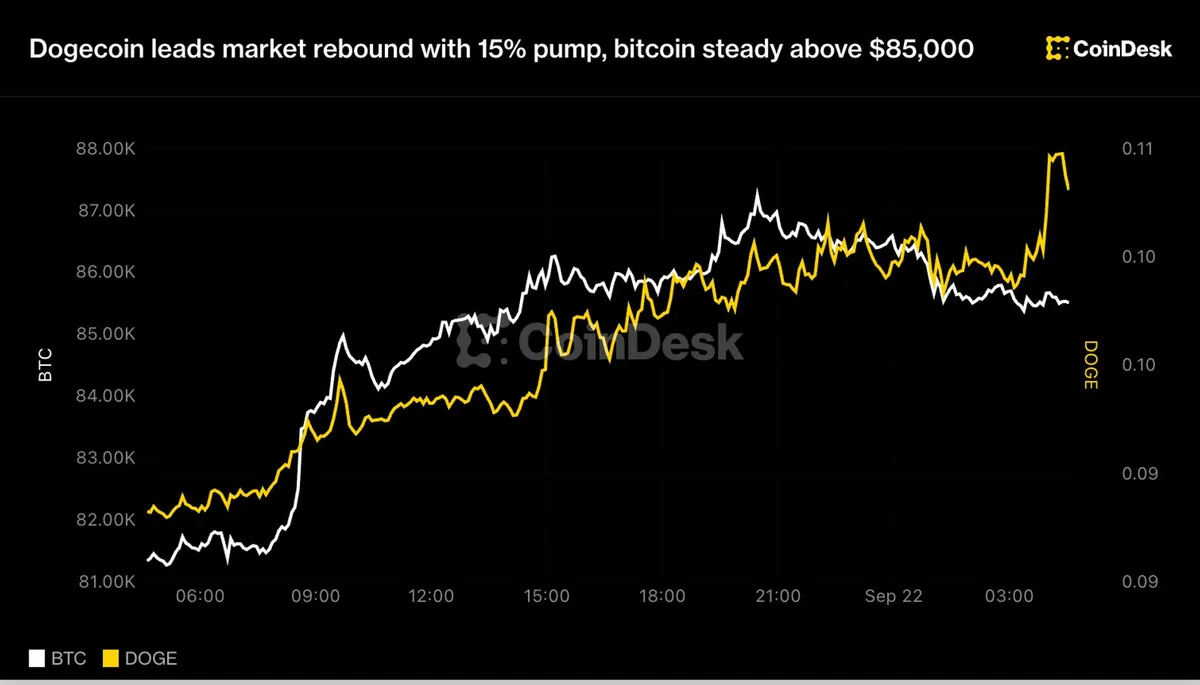
Dogecoin's 15% surge drives market recovery as bitcoin stabilizes above $85,000

Cardano adds tools for AI agent payments, joining Solana and XRP Ledger

Trueo prediction market moves from Base to Ethereum