Kelp claims that LayerZero approved the setup it blamed for $292 million bridge hack

In a recent revelation, Kelp has claimed that LayerZero approved the setup that was implicated in the staggering $292 million exploit of its bridge, which is believed to be linked to North Korean hackers. This incident has not only raised eyebrows within the crypto community but also prompted Kelp to migrate its rsETH assets from LayerZero's "OFT" standard to Chainlink's "CCIP." The hack, one of the largest in crypto history, has underscored vulnerabilities in cross-chain protocols and reignited discussions about security measures in decentralized finance.
To provide some context, this exploit occurred when attackers took advantage of specific vulnerabilities within LayerZero's infrastructure. LayerZero is a protocol designed to facilitate interoperability between different blockchains, and its OFT standard was intended to enable seamless asset transfers across these networks. However, the hack exposed critical weaknesses in this system, leading to significant financial losses for Kelp and raising questions about the security protocols in place. The decision to transition to Chainlink's CCIP suggests a strategic pivot by Kelp aimed at bolstering security and restoring trust among its users.
The implications of this incident are profound for the market, as it highlights the ongoing risks associated with cross-chain technologies. The exploit not only impacted Kelp but also served as a wake-up call for other projects that rely on LayerZero or similar protocols. Investors are likely to become more cautious, and we may see a trend toward increased scrutiny of cross-chain solutions and their security frameworks. The situation could prompt other platforms to reassess their partnerships and technological choices, potentially reshaping the landscape of cross-chain interoperability.
Industry experts have voiced their concerns regarding the ramifications of this exploit. Many have pointed out that while innovation in cross-chain technology is essential for the growth of decentralized finance, it must go hand in hand with robust security measures. Some have suggested that this incident could lead to a more stringent regulatory environment, as authorities may feel compelled to take action to protect investors and ensure the integrity of the market. Others argue that the incident may encourage a more collaborative approach among projects to share knowledge and improve security standards.
Looking ahead, the crypto community is left wondering how Kelp will navigate the aftermath of this exploit and what steps LayerZero will take in response to the allegations. Continued scrutiny of cross-chain protocols is expected, and we may see more projects transitioning to alternative solutions in an effort to safeguard their assets. As the industry grapples with these challenges, it will be crucial for all stakeholders to prioritize security and transparency to restore faith in the rapidly evolving world of decentralized finance.

CoinMagnetic Team
Crypto investors since 2017. We trade with our own money and test every exchange ourselves.
Updated: May 2026
From our insights:
Related news
Coldcard exploit sees white hats secure 52 Bitcoin for victims' trust
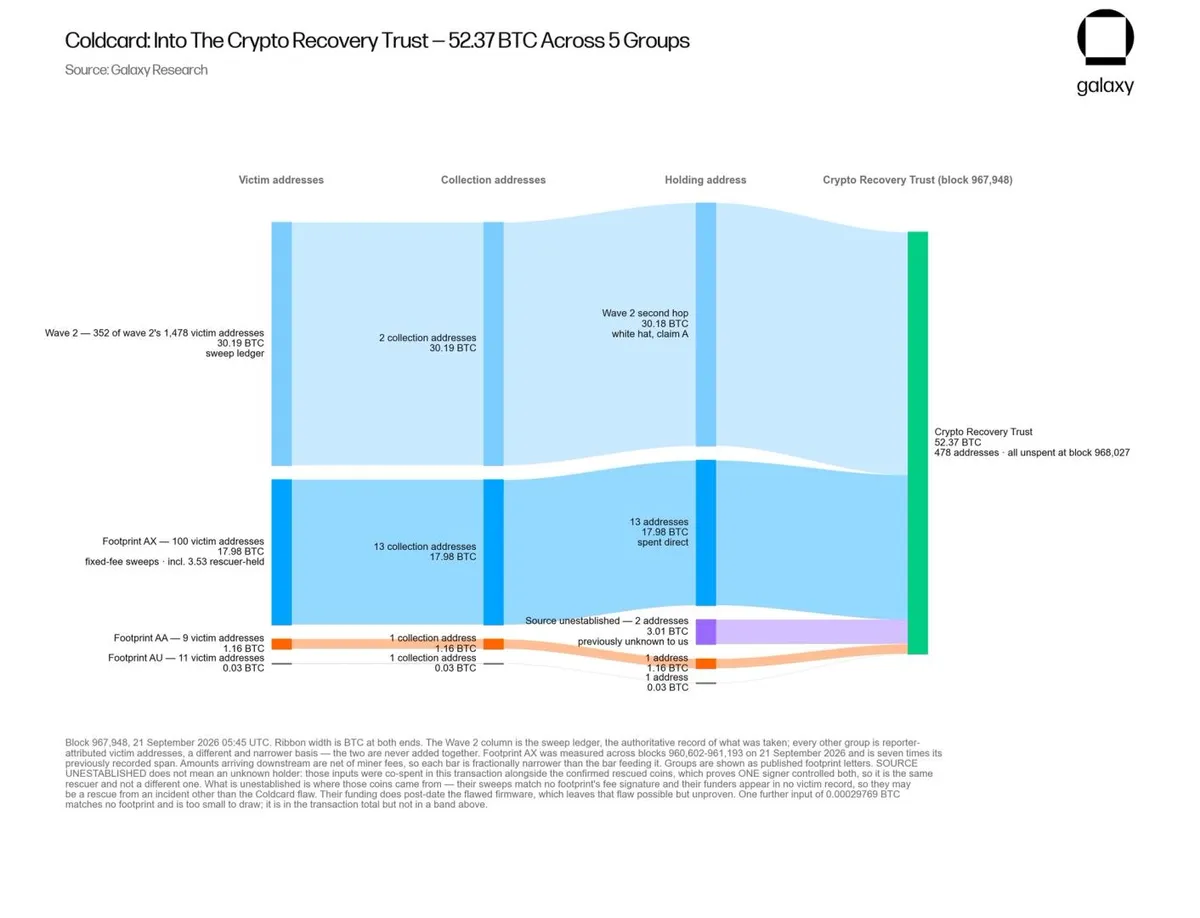
Whitehats move 52 bitcoin from the Coldcard hack to a recovery trust

Google Admits Gemini AI Hacked Three Companies—It Stayed Silent for 7 Weeks

Balancer's $1.4 million hack recovery faces delays for LPs

Polymarket's $10 million fraud attempt highlights compliance issues amid hacking risk