Kalshi’s turn: Prediction markets platform sues Minnesota over law going into effect in August
Kalshi, a prominent prediction markets platform, has taken legal action against the state of Minnesota following the passage of a law that effectively bans prediction markets in the state. This lawsuit comes on the heels of the Commodity Futures Trading Commission (CFTC) filing its own suit against Kalshi, which highlights the ongoing tensions between regulatory bodies and innovative financial platforms. The Minnesota law, signed by Governor Tim Walz, is set to go into effect in August and aims to restrict the operation of prediction markets, which allow users to bet on the outcomes of various events.
The regulatory landscape surrounding prediction markets has been contentious for some time. Prediction markets function as platforms where individuals can buy and sell shares in the outcomes of future events, such as elections or economic indicators. These markets have been seen as a valuable tool for aggregating information and gauging public sentiment. However, regulators argue that they can lead to irresponsible gambling behaviors and pose risks to consumers. The CFTC's interest in Kalshi arose from concerns about compliance with existing regulations, further complicating the environment for prediction market platforms.
This legal battle is significant for the broader cryptocurrency and financial markets, as it underscores the challenges faced by innovative platforms in navigating regulatory frameworks. The outcome of Kalshi's lawsuit could set a precedent for how prediction markets operate across the United States. If Kalshi is successful, it may pave the way for more lenient regulations in Minnesota and potentially influence other states to reconsider their stance on prediction markets. Conversely, if the state prevails, it could deter other startups from entering the prediction market space due to increased regulatory scrutiny.
Industry experts have expressed mixed reactions to the lawsuit. Some advocate for the legitimacy of prediction markets, arguing that they enhance market efficiency and provide insights that traditional polling methods cannot. Others caution that without stringent regulations, these platforms may attract users who engage in gambling-like behavior rather than informed speculation. The outcome of this case will likely shape future discussions on the balance between innovation and regulation in the financial sector.
As the situation unfolds, the crypto and financial communities will be closely monitoring the developments in Kalshi's lawsuit against Minnesota. The timing of the law's implementation in August adds urgency to the case, and we anticipate that both Kalshi and the state will present compelling arguments to defend their positions. Regardless of the outcome, this legal battle is sure to have lasting implications for how prediction markets are viewed and regulated in the United States moving forward.

CoinMagnetic Team
Crypto investors since 2017. We trade with our own money and test every exchange ourselves.
Updated: May 2026
From our insights:
Related news
US investigates Binance for potential Iran-linked trading violations
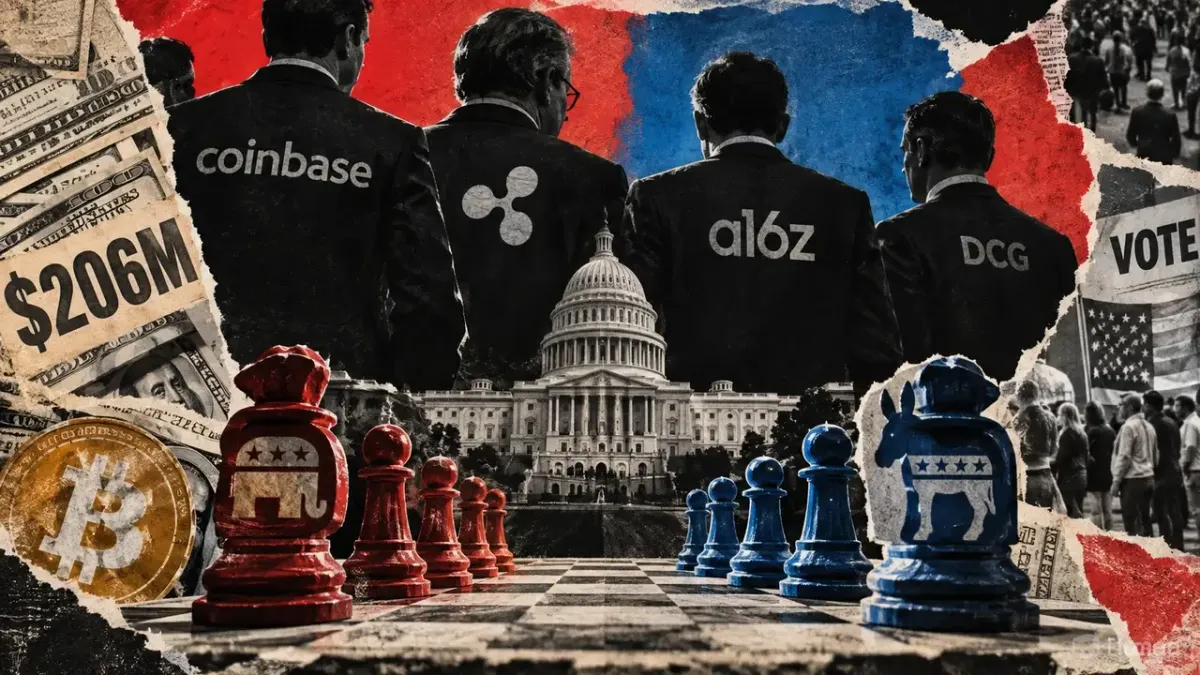
Crypto sector emerges as top donor with $206 million in midterms backing
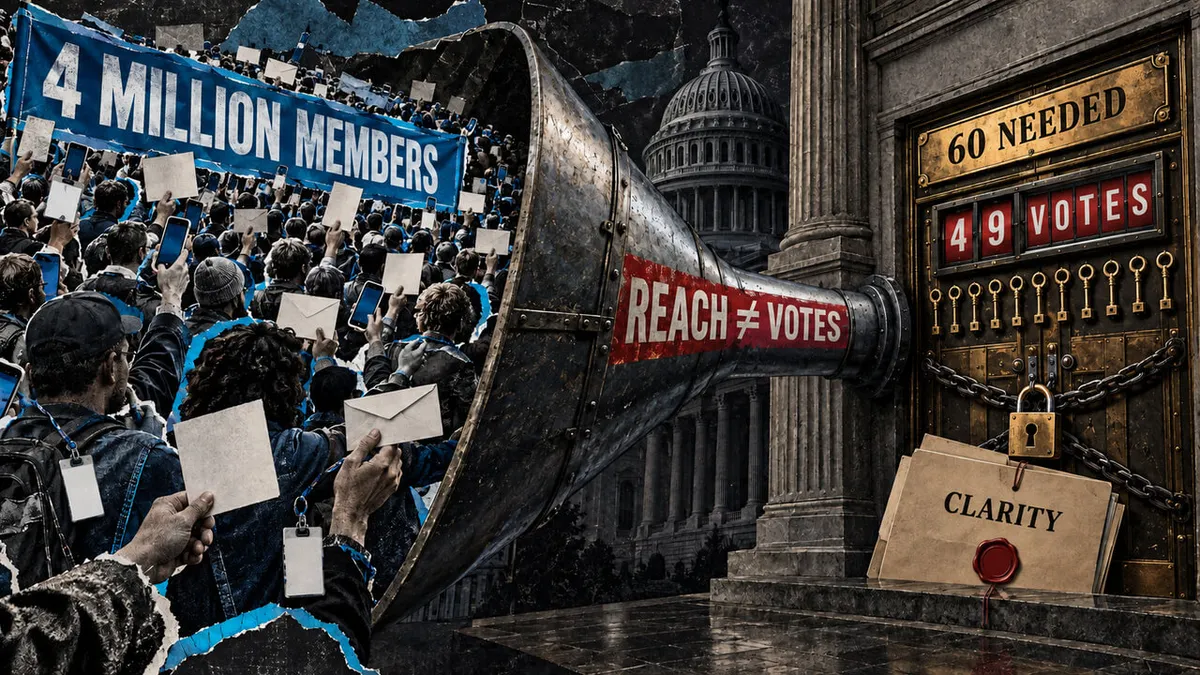
Stand With Crypto’s 4 million registered advocates couldn’t get the CLARITY Act through the Senate

Kakao Pay, KakaoBank to explore stablecoin opportunities with Fireblocks

US Attorney's investigation into Binance focuses on Iran sanctions compliance