Kalshi's oil contract offers continuous trading but risks weekend volatility
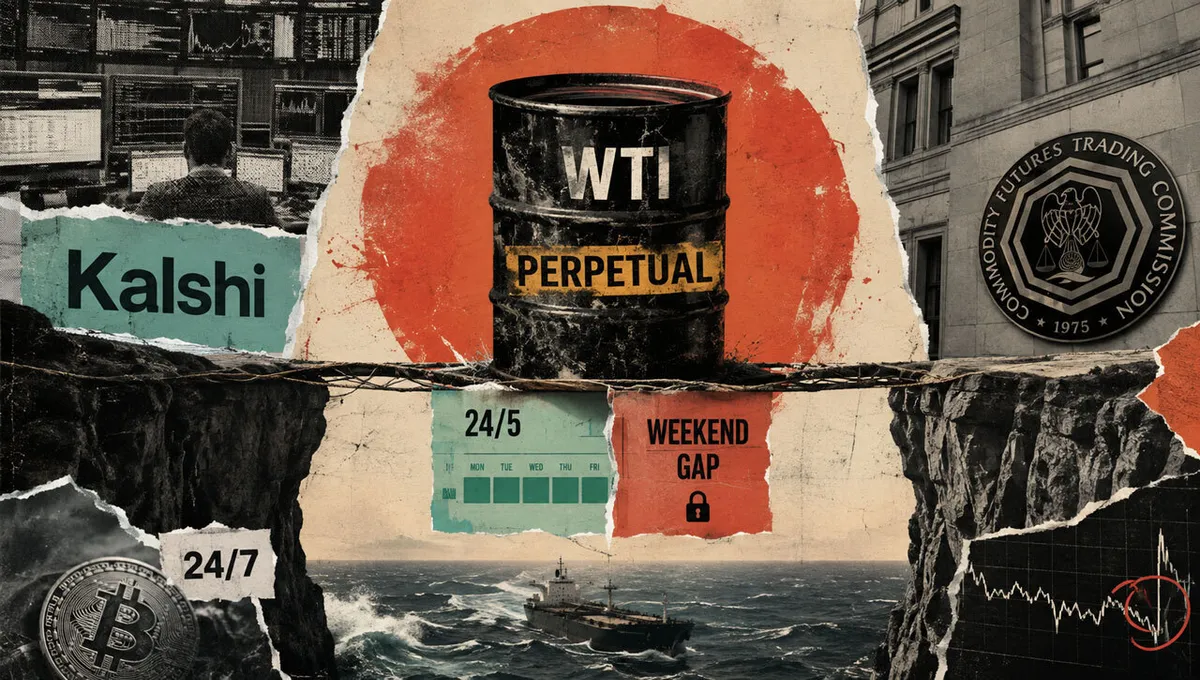
Kalshi has introduced a new oil contract designed to provide traders with continuous exposure to the oil market without traditional expiry dates. This innovative contract aims to enhance trading opportunities by allowing participants to engage in transactions around the clock, reflecting the dynamic nature of oil prices. However, the contract carries a hidden flaw that could leave traders vulnerable to significant price shocks during weekends when the oil market itself is closed.
The context behind this development is rooted in the growing demand for more flexible trading options in commodities markets. Traditionally, oil contracts have specific expiry dates that can limit trading strategies and create gaps in market activity. By eliminating these expirations, Kalshi seeks to cater to a new wave of traders who prefer continuous market access. Nevertheless, the inherent risk of trading during times when the underlying market is inactive raises concerns about potential volatility and price discrepancies.
This new offering is significant for the market as it could reshape how traders approach oil investments. While the promise of non-stop exposure may attract a wider audience, the risk of weekend shocks could deter more risk-averse traders. The potential for drastic price movements during periods of low liquidity could lead to unexpected losses, fundamentally altering trading strategies and risk management practices for those involved.
Industry reactions to Kalshi's new contract have been mixed. Some market participants praise the innovation for providing greater accessibility and flexibility in oil trading, while others caution against the risks associated with trading in a market that is not actively monitored during weekends. Experts suggest that traders should carefully assess their risk tolerance and consider the implications of market closures when engaging with this new contract.
Looking ahead, Kalshi may need to address these concerns to ensure that their new oil contract does not alienate potential users. Future adjustments to the contract structure, such as implementing mechanisms to mitigate weekend risks, may be necessary to foster greater confidence among traders. As the market adapts to this new offering, the ongoing discourse around risk management and trading strategies will be crucial in shaping its adoption.

CoinMagnetic Team
Crypto investors since 2017. We trade with our own money and test every exchange ourselves.
Updated: September 2026
From our insights:
Related news

Latvian parliament targets 2027 for new crypto withdrawal tax system

US bank deposit rate hikes slow stablecoin growth, BIS paper shows

Bangkok arrest targets crypto laundering tied to $75 million syndicate

Goldman Sachs and Morgan Stanley view tokenization as growth opportunity

Polygon aims for payments sector dominance with Coinme acquisition