Kalshi Rolls Out New Safeguards After Insider Trading Concerns Hit Prediction Markets

Kalshi, a prominent player in the prediction markets space, has recently unveiled a series of new safeguards aimed at addressing growing concerns over insider trading. The new measures require traders to disclose their employers before engaging in high-risk markets identified as susceptible to insider trading or manipulation. This move comes in the wake of heightened scrutiny and allegations that insider information may be influencing market outcomes, prompting Kalshi to take proactive steps to maintain the integrity of its platform and protect its users.
Prediction markets allow participants to wager on the outcomes of various events, from political elections to economic indicators. While this innovative concept has gained traction, it has also attracted scrutiny from regulators and market participants alike, particularly regarding the potential for insider trading. Insider trading poses a significant risk to the fairness of these markets, as individuals with access to non-public information could unfairly influence outcomes. By implementing these new disclosure rules, Kalshi aims to bolster transparency and ensure that all traders operate on a level playing field.
The implications of Kalshi's new rules extend beyond just its platform. As the broader cryptocurrency and prediction markets continue to evolve, the introduction of such measures may set a precedent for other exchanges and trading platforms. It highlights a growing emphasis on compliance and transparency, which are increasingly becoming critical factors for market participants. This move may also help to restore confidence among investors who are wary of the potential for manipulation in prediction markets, ultimately contributing to a more stable and trustworthy trading environment.
Industry experts have generally welcomed Kalshi's initiative, viewing it as a necessary step to enhance the credibility of prediction markets. Many believe that by enforcing stricter regulations and transparency measures, Kalshi is not only protecting its users but also paving the way for more institutional participation in the prediction market space. Some analysts argue that if successful, this approach could lead to a broader acceptance of prediction markets in financial circles, drawing attention from those who have been hesitant to engage in this relatively nascent arena.
Looking ahead, it will be interesting to see how these new safeguards impact trading behavior on Kalshi and whether they successfully deter insider trading concerns. The effectiveness of these measures will likely be closely monitored by regulators and industry participants alike. If Kalshi successfully navigates this challenge while maintaining user trust, it may inspire other platforms to adopt similar practices, potentially transforming the landscape of prediction markets and enhancing their reputation within the broader financial ecosystem.

CoinMagnetic Team
Crypto investors since 2017. We trade with our own money and test every exchange ourselves.
Updated: June 2026
From our insights:
Related news
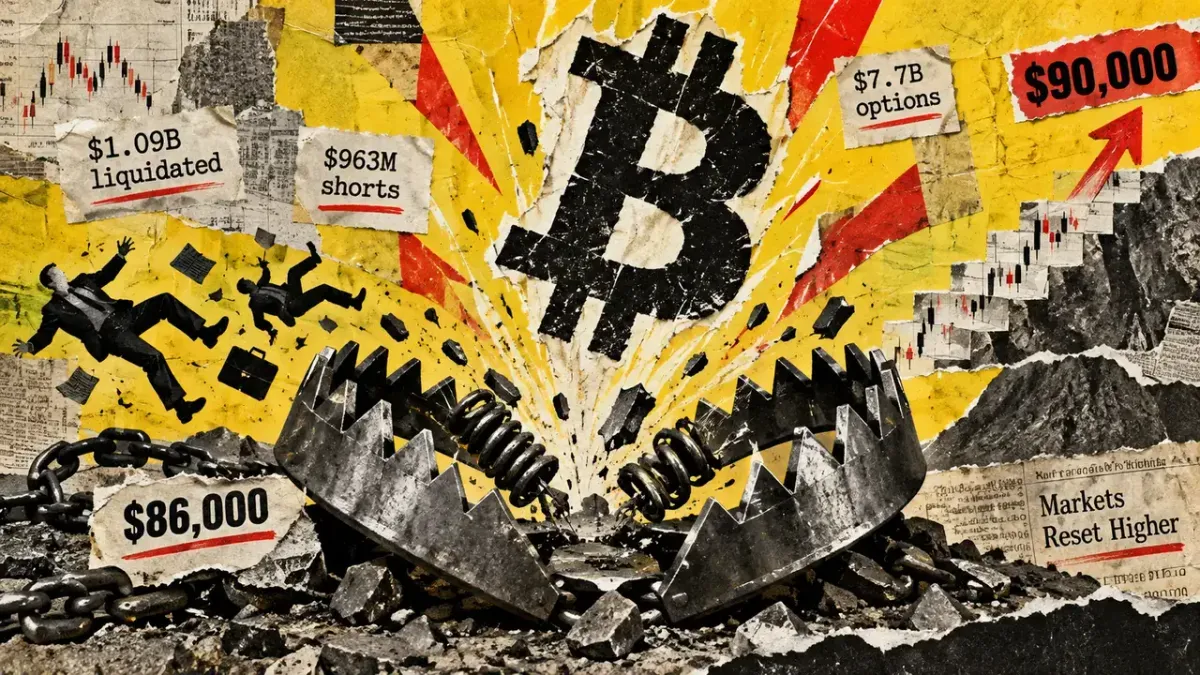
Bitcoin surges past $86,000 as $1 billion in shorts are liquidated, eyes on $90,000
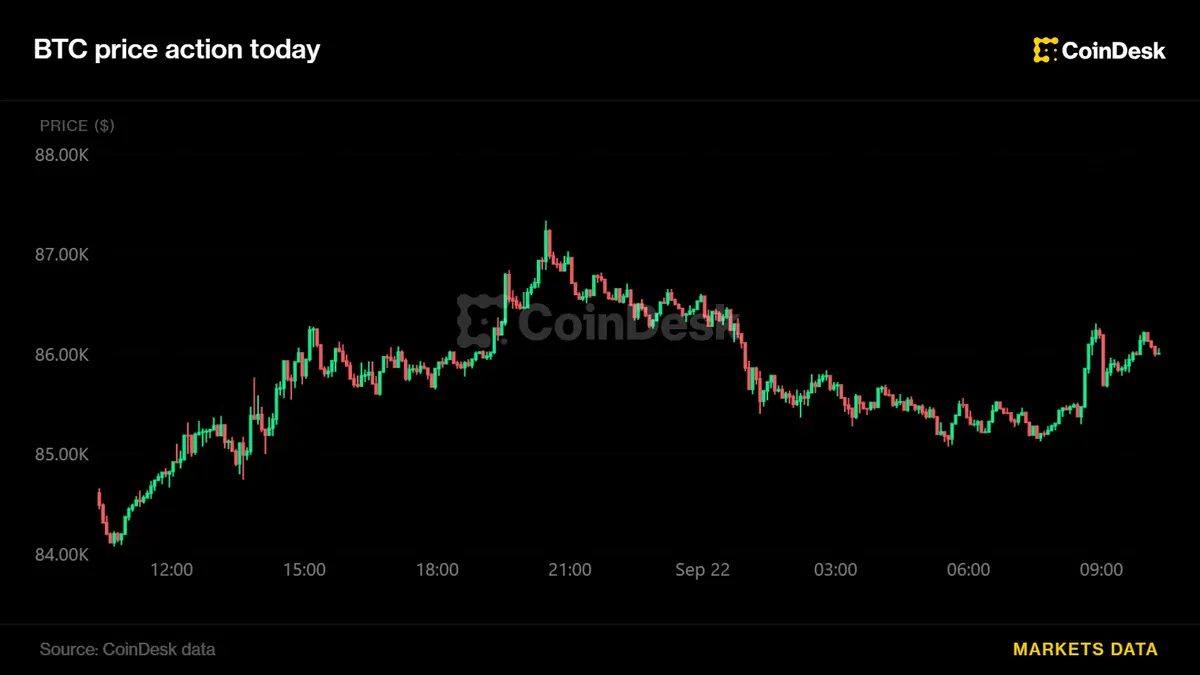
Bitcoin bounces back to $86,000 as oil prices decline and stocks rise

Prediction markets projected to reach $10 trillion by 2035, surpassing sports
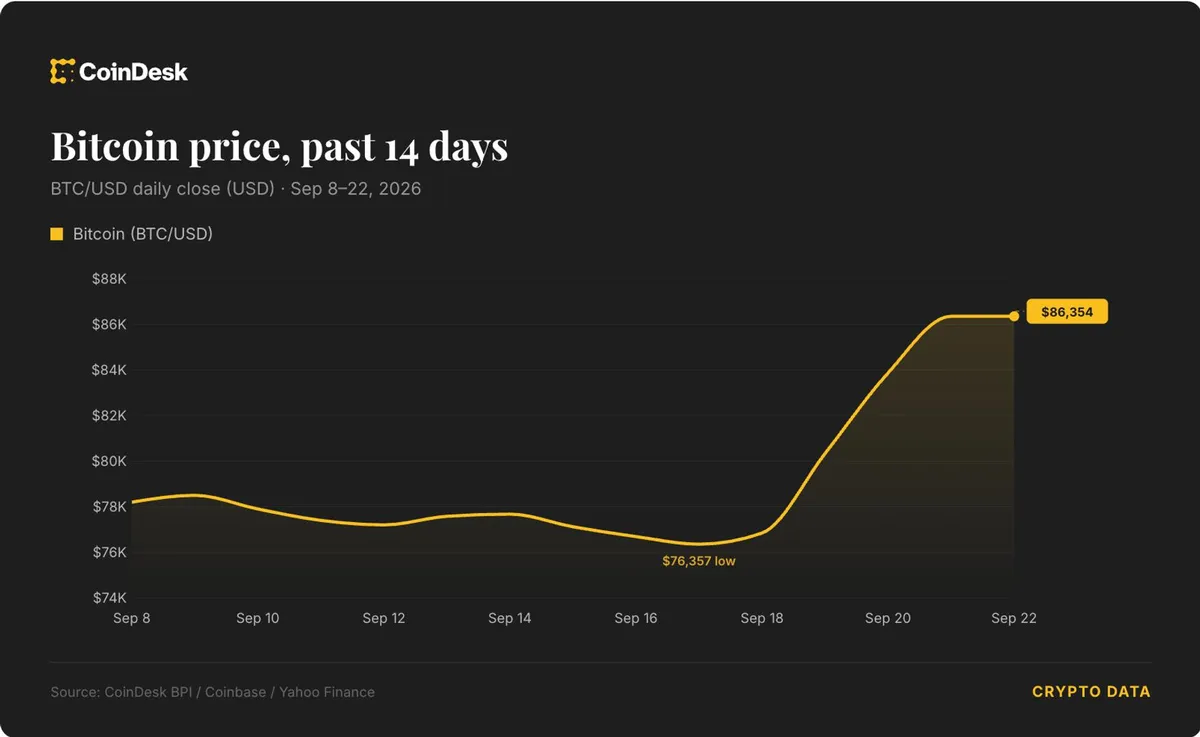
Iran hints at reopening Strait of Hormuz, WTI oil drops to $89

New altseason signal emerges as Bitcoin market cap stays under 60%