Kalshi now requires users to reveal employers as it fights insider trading and market manipulation

Kalshi, the prediction markets platform, has recently implemented new measures aimed at combating insider trading and market manipulation. As of Tuesday, users are now required to disclose their employers when participating in markets deemed to have a heightened risk of such activities. This move is part of Kalshi's broader effort to enhance transparency and integrity within its trading environment, and it highlights the company's commitment to maintaining a fair marketplace. By mandating this disclosure, Kalshi hopes to deter potential malfeasance and ensure that all participants operate on a level playing field.
The introduction of these measures comes amid increasing scrutiny of prediction markets and their potential vulnerabilities. Insider trading has long been a concern in financial markets, and prediction markets are no exception. They offer a unique platform for trading on the outcomes of various events, which can attract individuals with access to non-public information. Kalshi's decision to require employer disclosure reflects the growing recognition of the need for stricter regulatory oversight in this space, particularly as the platform continues to evolve and attract a wider audience.
This development is significant for the market as it signals a proactive approach to governance within the prediction market sector. By addressing insider trading risks directly, Kalshi may not only safeguard its reputation but also foster greater trust among its users. This could potentially lead to increased participation from institutional investors who are often wary of entering markets perceived as lacking in regulatory clarity. As Kalshi positions itself as a leader in the prediction market arena, this move could set a precedent for other platforms to follow suit in implementing similar safeguards.
Industry reactions have been mixed, with some experts praising Kalshi's initiative as a necessary step towards greater accountability, while others express concern about the practicality of enforcing such measures. Critics argue that requiring users to disclose employer information could deter participation or raise privacy concerns. However, proponents believe that transparency will ultimately strengthen the market by ensuring that all participants are held to the same standards and reducing the likelihood of unethical practices.
Looking ahead, it will be interesting to see how these new requirements affect user engagement on the platform. Kalshi's willingness to adapt its policies in response to potential risks may inspire confidence among traders, but it also poses the challenge of balancing transparency with user privacy. As the prediction market landscape continues to evolve, Kalshi's actions could spark further discussions about the need for regulatory frameworks that protect both market integrity and participant rights. The next steps will likely include monitoring user feedback and adjusting policies as necessary to maintain a vibrant and secure trading environment.

CoinMagnetic Team
Crypto investors since 2017. We trade with our own money and test every exchange ourselves.
Updated: June 2026
From our insights:
Related news
Iran hints at reopening Strait of Hormuz, WTI oil drops to $89

New altseason signal emerges as Bitcoin market cap stays under 60%

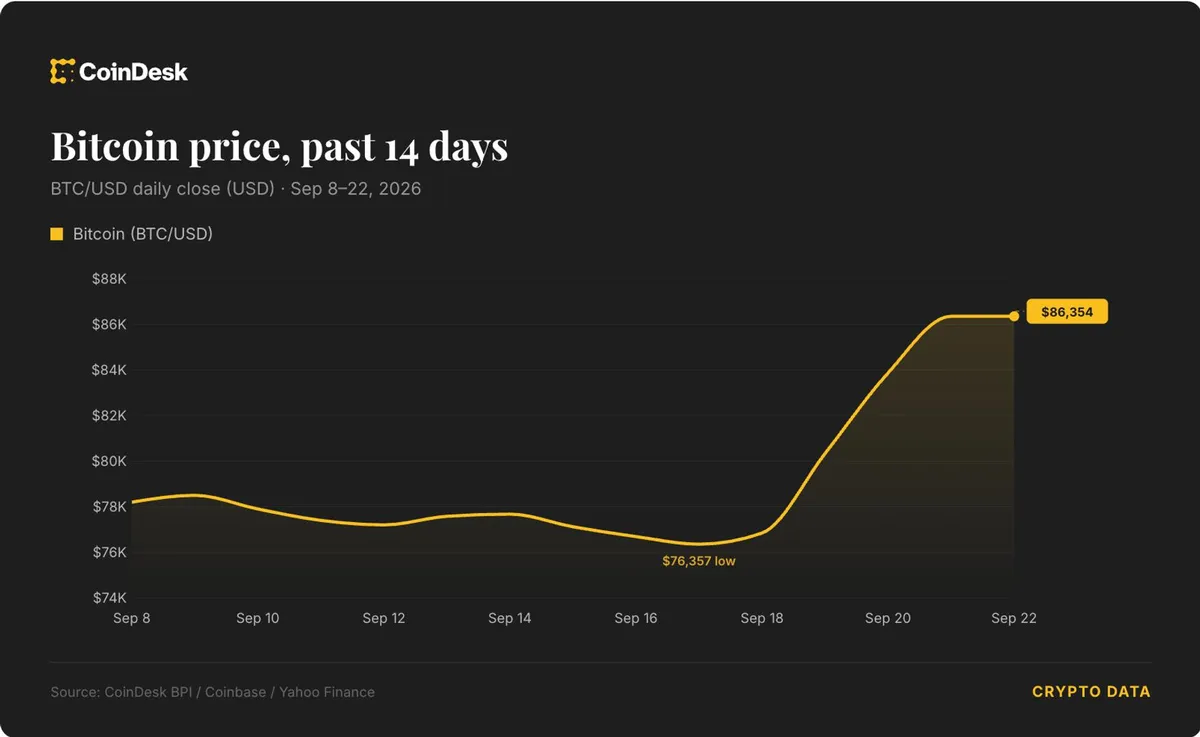
Bitcoin nears $86,000 as crypto market cap surpasses $3 trillion

Bitcoin's weekly close above $81,000 signals potential rise to $90,000

Elon Musk's X integrates bitcoin trading options for U.S. users