Kalshi and prediction market sector embroiled in mixed bag of legal fights across U.S.
The prediction market sector, with Kalshi at the forefront, is currently navigating a complex landscape of legal battles with various state gaming regulators across the United States. Kalshi, a platform that allows users to bet on the outcome of future events, has found itself in contentious disputes that could have far-reaching implications for the industry's future. While some regulatory bodies are pushing back against the operations of prediction markets, others are showing signs of support, creating a mixed environment for stakeholders trying to navigate these turbulent waters.
The background of these legal challenges stems from the increasingly blurred lines between traditional gambling and prediction markets. Unlike conventional betting, which typically focuses on games of chance, prediction markets allow participants to wager on the outcomes of events such as elections, economic indicators, and weather patterns. This distinction has led to significant regulatory scrutiny, as state authorities grapple with how to classify and govern these platforms. Kalshi’s ongoing battles reflect broader tensions within the industry, where innovation meets regulatory caution.
The current situation matters for the market as it highlights the fundamental challenges facing the prediction market sector. Regulatory clarity is essential for the growth of any financial or betting platform, and without it, investor confidence may wane. The outcome of these legal disputes could set precedents that either enable or stifle innovation in the prediction market space. As regulators weigh the potential benefits of these platforms against possible societal impacts, the future landscape for prediction markets hangs in the balance.
Reactions from industry experts have been varied, with some expressing optimism about the potential for regulatory frameworks that could accommodate prediction markets. Others, however, caution that the current legal challenges could hinder growth and deter new entrants into the market. The mixed responses underscore a broader debate within the financial and gaming sectors about how best to regulate new technologies and business models. As stakeholders continue to engage with regulators, the outcomes of these discussions will be pivotal for the industry.
Looking ahead, the prediction market sector may need to prepare for a protracted period of legal scrutiny. Stakeholders will likely continue to advocate for clearer regulations that recognize the unique nature of prediction markets. As firms like Kalshi push for acceptance and legitimacy, the ongoing legal battles will serve as a critical test case for the entire industry. The outcomes could either pave the way for a new era of regulated prediction markets or reinforce the barriers that currently exist, shaping the future of how we bet on and predict the world around us.

CoinMagnetic Team
Crypto investors since 2017. We trade with our own money and test every exchange ourselves.
Updated: July 2026
From our insights:
Related news

PewDiePie claims OpenAI banned him twice while developing uncensored AI model
Top 185 TRUMP meme coin holders invited to dinner with Trump on Nov. 22
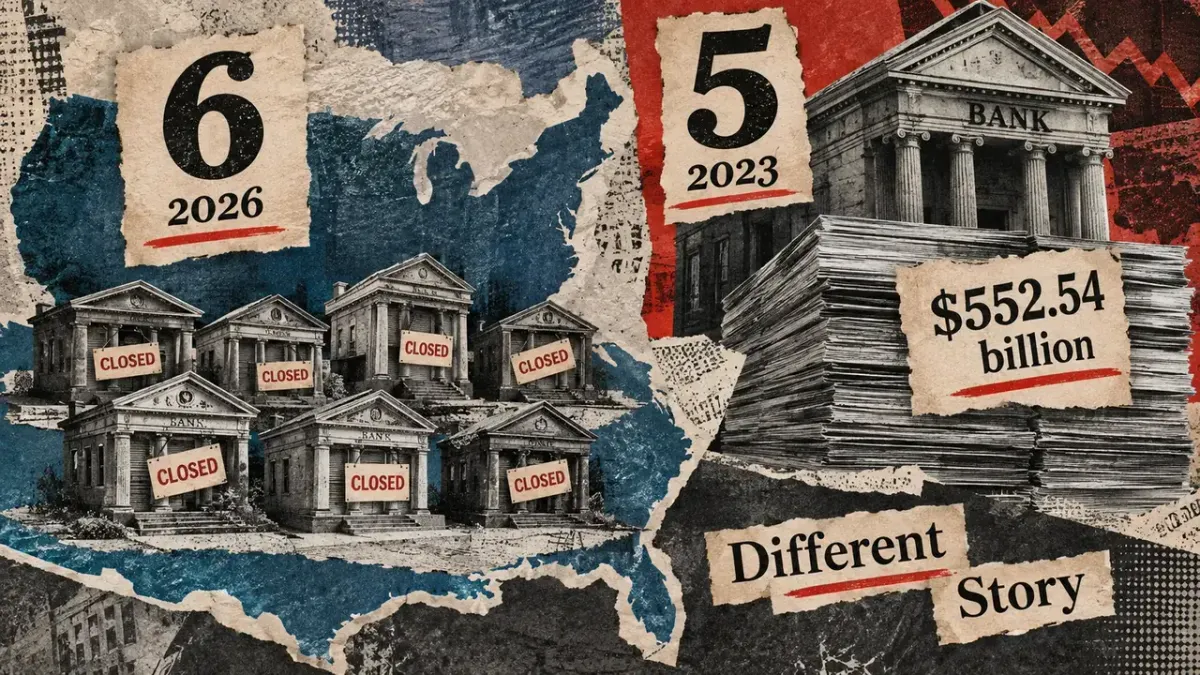
2026 sees six US bank failures, but assets drop to $1.43 billion

Key senators exit as Congress prepares to reset crypto legislation efforts
Community banking group challenges OCC's crypto trust bank charters in lawsuit