Kalshi adds India to growing list of restricted jurisdictions

Kalshi, the innovative event trading platform, has recently announced that it has added India to its growing list of restricted jurisdictions. This decision comes just months after Indian authorities issued warnings to VPN providers, urging them to cease facilitating access to platforms like Kalshi. The inclusion of India in this list signifies the platform's ongoing effort to comply with regulatory frameworks and navigate the complex legal landscape surrounding cryptocurrency and trading in various regions. As it stands, Kalshi now lists a total of 55 jurisdictions where its services are restricted, impacting a significant number of potential users.
The backdrop to this development involves India's evolving stance on cryptocurrency and online trading. Over the past few years, Indian regulators have expressed increasing concern over the potential risks associated with unregulated trading platforms, including market manipulation and investor protection issues. The government's crackdown on VPNs reflects a broader regulatory trend aimed at controlling access to foreign trading entities, which has left many users seeking alternative ways to engage with platforms like Kalshi. This regulatory climate has created challenges for companies trying to operate in or expand into India, where the legal framework surrounding crypto trading remains uncertain.
This addition of India to Kalshi's restricted list is significant for several reasons. Firstly, it underscores the ongoing tension between regulatory bodies and cryptocurrency platforms, highlighting the difficulties these platforms face when attempting to expand their reach in regions with stringent regulations. Secondly, it may impact market dynamics, as potential users in India will have limited access to event trading options that Kalshi offers, potentially stifling participation from one of the world's largest markets. As a result, this move may alter trading behaviors and strategies among Indian investors seeking similar services elsewhere.
The industry response to Kalshi's decision has been mixed. Some experts argue that this move illustrates the importance of regulatory compliance and the need for platforms to adapt to local laws. They emphasize that while this restriction may seem limiting, it ultimately protects investors by ensuring that trading occurs within a regulated environment. On the other hand, critics point out that such restrictions can stifle innovation and access to financial services, particularly in emerging markets where users are eager for more trading options. Industry stakeholders will be keenly observing how this situation develops, especially as other platforms may look to follow suit or potentially challenge these restrictions.
Looking ahead, it remains to be seen how Kalshi and other trading platforms will navigate the regulatory landscape in India and other restricted jurisdictions. As governments continue to tighten regulations on cryptocurrency and trading, companies may need to adjust their strategies, possibly exploring partnerships with local entities or advocating for clearer regulatory guidelines. Additionally, the response from the Indian market will be crucial–will users turn to alternative platforms, or will they seek ways to adapt to the restrictions imposed? This situation highlights the ongoing complexities of operating in a globalized digital economy, particularly in the rapidly evolving world of cryptocurrency.

CoinMagnetic Team
Crypto investors since 2017. We trade with our own money and test every exchange ourselves.
Updated: June 2026
From our insights:
Related news
Iran hints at reopening Strait of Hormuz, WTI oil drops to $89

New altseason signal emerges as Bitcoin market cap stays under 60%

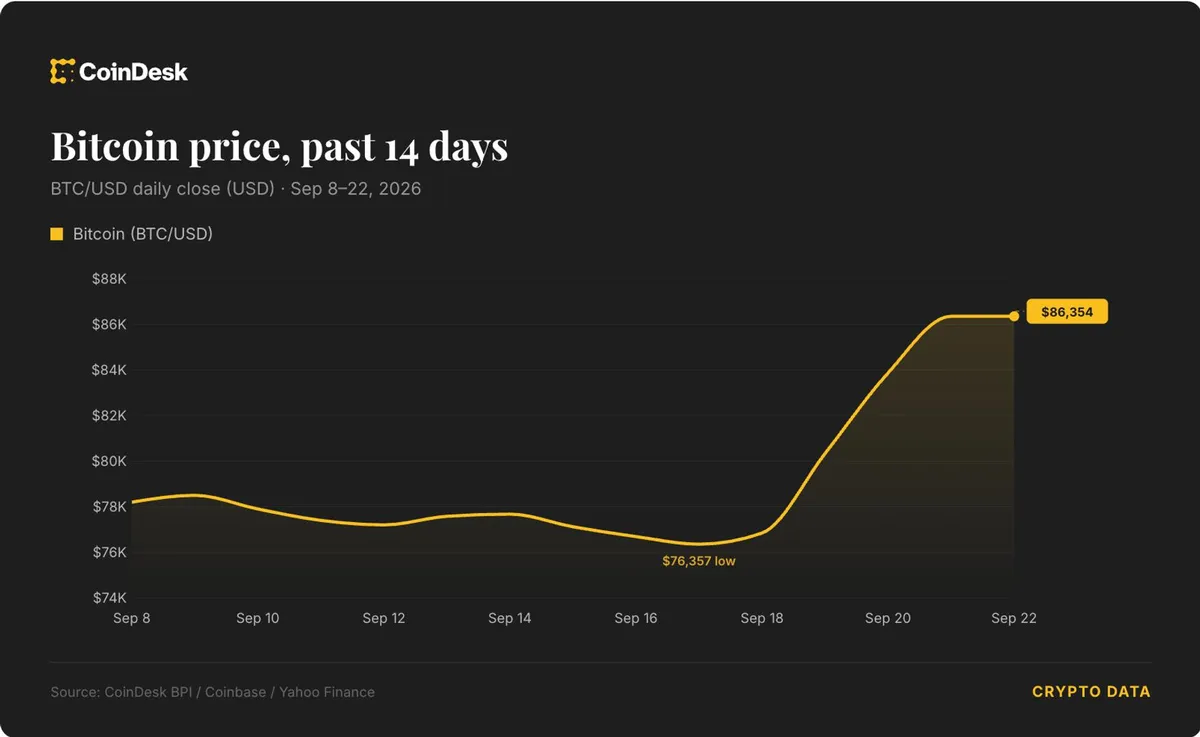
Bitcoin nears $86,000 as crypto market cap surpasses $3 trillion

Bitcoin's weekly close above $81,000 signals potential rise to $90,000

Elon Musk's X integrates bitcoin trading options for U.S. users