Justin Sun sues World Liberty Financial over WLFI token freeze, governance exclusion

Justin Sun, the founder of Tron and a prominent figure in the cryptocurrency world, has initiated legal action against World Liberty Financial (WLF) over a contentious freeze on his WLFI tokens. According to Sun, the WLFI team has refused to unfreeze his tokens, which has significantly hampered his ability to engage in governance and other activities associated with the token. His lawsuit highlights not only the immediate financial implications but also raises questions around governance rights and the broader implications for token holders within decentralized finance projects.
To understand the situation better, it's essential to consider the context surrounding WLFI and Sun's involvement. World Liberty Financial has made strides in the crypto space, focusing on the intersection of finance and technology. However, the governance model and token management practices have come under scrutiny, particularly regarding how decisions are made and enforced. Sun’s past associations with various blockchain projects and his high-profile status may amplify the significance of this lawsuit, as it reflects a larger narrative about power dynamics in decentralized platforms.
This legal battle is particularly relevant to the market as it underscores the ongoing tensions between token holders and project governance structures. The outcome of this lawsuit could set a precedent for how disputes in decentralized ecosystems are handled, potentially influencing investor confidence and participation. If Sun is successful, it may encourage other token holders to pursue legal avenues when they feel their rights are being infringed upon. Conversely, a ruling against him might reinforce the authority of project teams over token management, which could deter potential investors concerned about governance risks.
Industry reactions to this news have been varied. Some experts believe that this lawsuit could prompt a reevaluation of governance protocols within decentralized finance projects, urging teams to adopt more transparent and inclusive practices. Others express concern that legal disputes like this could deter innovation and lead to a more cautious approach in the space. The sentiment is mixed, with some viewing the situation as a necessary step towards accountability, while others fear it may open the floodgates for more legal challenges in an already volatile market.
Looking ahead, it will be crucial to monitor how this lawsuit unfolds and its implications for both Sun and the broader crypto market. Should the court rules in Sun's favor, we may witness a shift in how governance rights are perceived and enforced within decentralized ecosystems. On the other hand, if the ruling favors WLFI, it could reinforce existing structures and potentially dissuade future legal challenges. As the case progresses, it will be essential for stakeholders in the crypto space to remain vigilant and consider the potential ramifications for governance and token management practices across the industry.

CoinMagnetic Team
Crypto investors since 2017. We trade with our own money and test every exchange ourselves.
Updated: April 2026
From our insights:
Related news
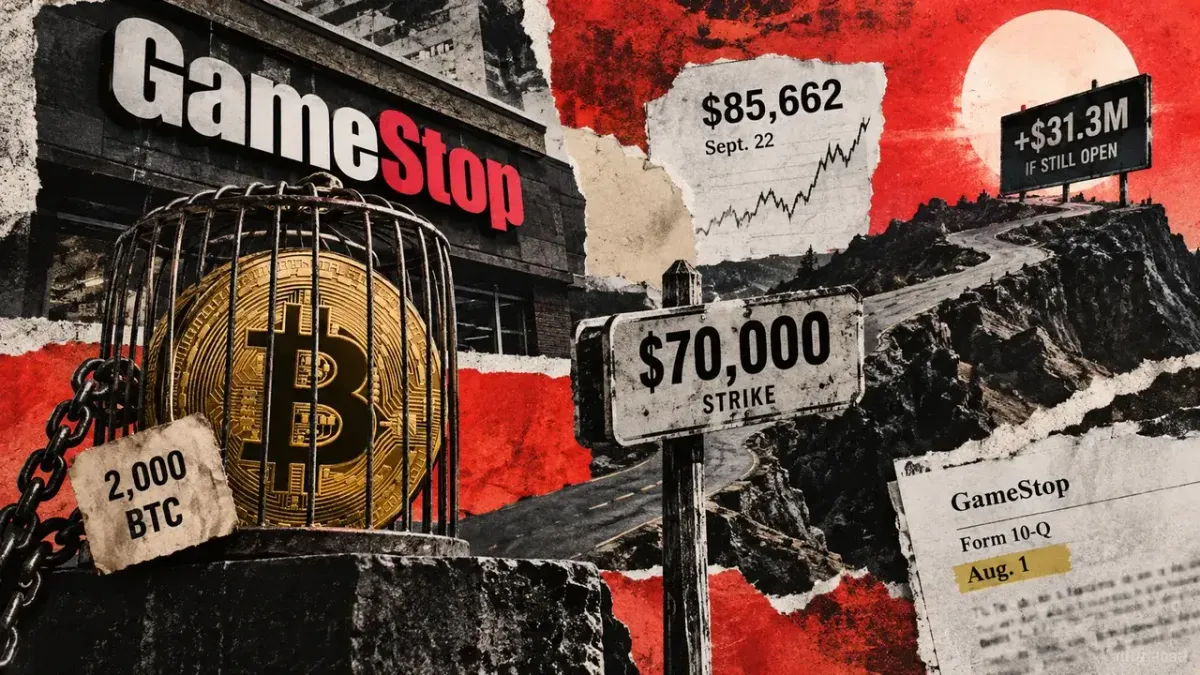
GameStop possibly forfeits $31 million in Bitcoin gains from options trade

Researchers trace 1.1 million Bitcoin to early miner but Satoshi's identity remains unclear
Bitcoin, ether perpetual volumes on Kalshi are dominated by an unusual, repetitive trade, data shows
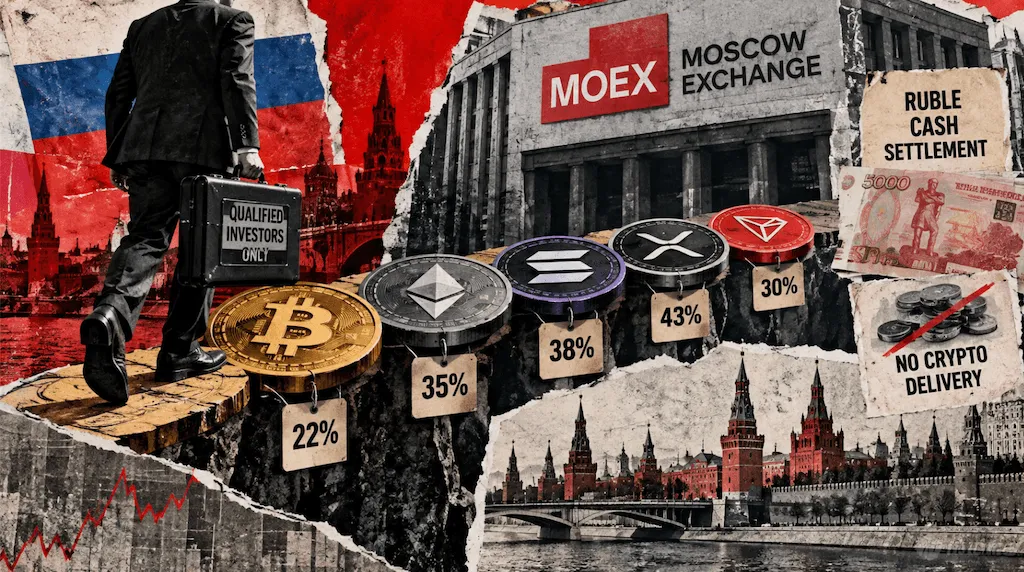
Moscow Exchange introduces 5 crypto perpetual futures amid 600 billion ruble demand
SoFi begins stablecoin settlement on Mastercard network for program expected to exceed $25 billion in annualized volume