1% of wallets dominate $133M in Polymarket midterm election betting
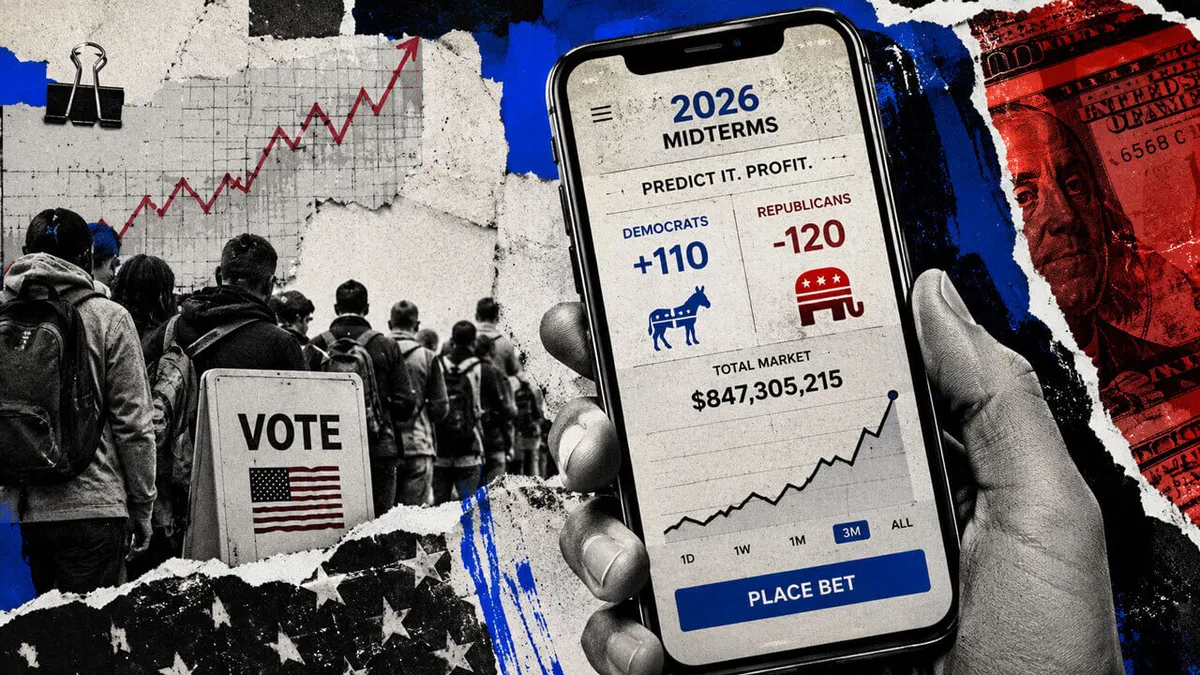
As the November 3 midterm elections draw closer, the betting market on Polymarket has seen considerable activity, with traders having placed at least $133 million across various markets related to House and Senate races by August 10. This figure is notably higher than the total of $92.4 million bet during the entire 2024 congressional cycle, indicating a surge in speculative interest. However, an alarming statistic emerges–just 1% of wallets are controlling this substantial amount, raising concerns about the potential for public consensus to be misrepresented.
The context of this situation can be traced back to the increasing popularity of decentralized betting platforms, which allow users to wager on political events. Polymarket, in particular, has gained traction as a go-to platform for those looking to bet on outcomes in real-time. This midterm betting activity reflects not only the heightened political engagement among users but also the notable shift in how political forecasting is being approached in the digital age.
The implications of having such a small percentage of wallets controlling a significant portion of the bets are profound. It suggests that the outcome predictions being generated may not accurately represent the broader public sentiment, potentially creating a misleading narrative. This concentration of control might skew perceptions of which candidates or policies are favored, influencing both traders and the general populace as they engage with the upcoming elections.
Industry experts have expressed concerns about the integrity of such betting markets, highlighting the risks associated with a lack of diversity in wallet participation. Some analysts caution that this could lead to a misinterpretation of public opinion, while others argue that it illustrates the volatile nature of betting markets, where a few players can have an outsized influence on perceived outcomes. The conversation around the reliability of these predictions continues to evolve as more data becomes available.
Looking ahead, it will be essential to monitor how this distribution of bets develops as the election date approaches. If the trend of concentrated wallet control persists, we may witness further discussions about the legitimacy of betting markets as indicators of public consensus. Stakeholders in the crypto and political arenas will need to consider how these dynamics could affect voter behavior and the overall electoral landscape.

CoinMagnetic Team
Crypto investors since 2017. We trade with our own money and test every exchange ourselves.
Updated: August 2026
From our insights:
Related news

Google's Nano Banana 2.1 image model debuts, half the price of earlier version

DJ Khaled joins Circle's 'Team USDC' amid SEC settlement backlash

Tether faces $2.8M lawsuit from Conduit over frozen USDt funds

UK selects 6 banks for pioneering digitally native government bond pilot

Digital ruble accounts reach 220K in first month, exceeding forecasts