Judge clears path for Aave to move $71 million in ETH linked to North Korea hack

In a significant development for Aave, a judge has cleared the way for the decentralized finance platform to move approximately $71 million in Ethereum (ETH) that has been linked to a hack attributed to North Korean actors. Judge Margaret Garnett's ruling allows these frozen exploit funds, which are currently held on the Arbitrum layer-2 blockchain, to be transferred to Aave. However, this favorable ruling comes with a caveat–the assets remain subject to a legal freeze as terrorism plaintiffs continue to pursue their claims against the funds. This decision highlights the complexities surrounding the intersection of cryptocurrency, legality, and national security.
The background of this case is rooted in the broader narrative of North Korean cybercrime, which has increasingly targeted cryptocurrency platforms to fund its activities amid international sanctions. The hack in question is believed to be part of a larger strategy employed by the North Korean regime to acquire resources through illicit means. As decentralized finance continues to grow, the scrutiny on how these platforms handle assets linked to criminal activities has intensified. The implications of this ruling not only affect Aave but also add a layer of complexity to how other DeFi platforms might navigate similar legal challenges in the future.
This ruling is significant for the market as it sends a message about the legal responsibilities and potential liabilities that come with the management of frozen assets in the crypto space. For Aave, this could mean a chance to reclaim significant liquidity, which may enhance its operational capabilities and strengthen its position in the DeFi landscape. On a broader scale, it could also set a precedent for how other platforms handle similar situations involving frozen or disputed funds, potentially influencing investor confidence in decentralized finance.
Industry experts have weighed in on the ruling, highlighting the delicate balance between innovation in the crypto space and compliance with legal frameworks. Some see this as a positive step that recognizes the need for clarity in the treatment of funds linked to criminal activities, while others express concern about the implications for user privacy and the decentralized ethos that underpins platforms like Aave. The duality of fostering innovation while adhering to legal standards is a challenge that will require ongoing dialogue within the industry.
Looking ahead, the focus will likely shift to how Aave manages the transition of these funds and whether they can successfully mitigate any risks associated with the ongoing legal claims. As the case unfolds, the outcomes could have lasting implications not just for Aave, but for the entire DeFi ecosystem as it grapples with the realities of operating within a legal framework that is still catching up to the rapidly evolving world of cryptocurrencies. Stakeholders will be watching closely to see how this situation develops and what it means for the future of decentralized finance.

CoinMagnetic Team
Crypto investors since 2017. We trade with our own money and test every exchange ourselves.
Updated: May 2026
From our insights:
Related news

Coldcard exploit sees white hats secure 52 Bitcoin for victims' trust
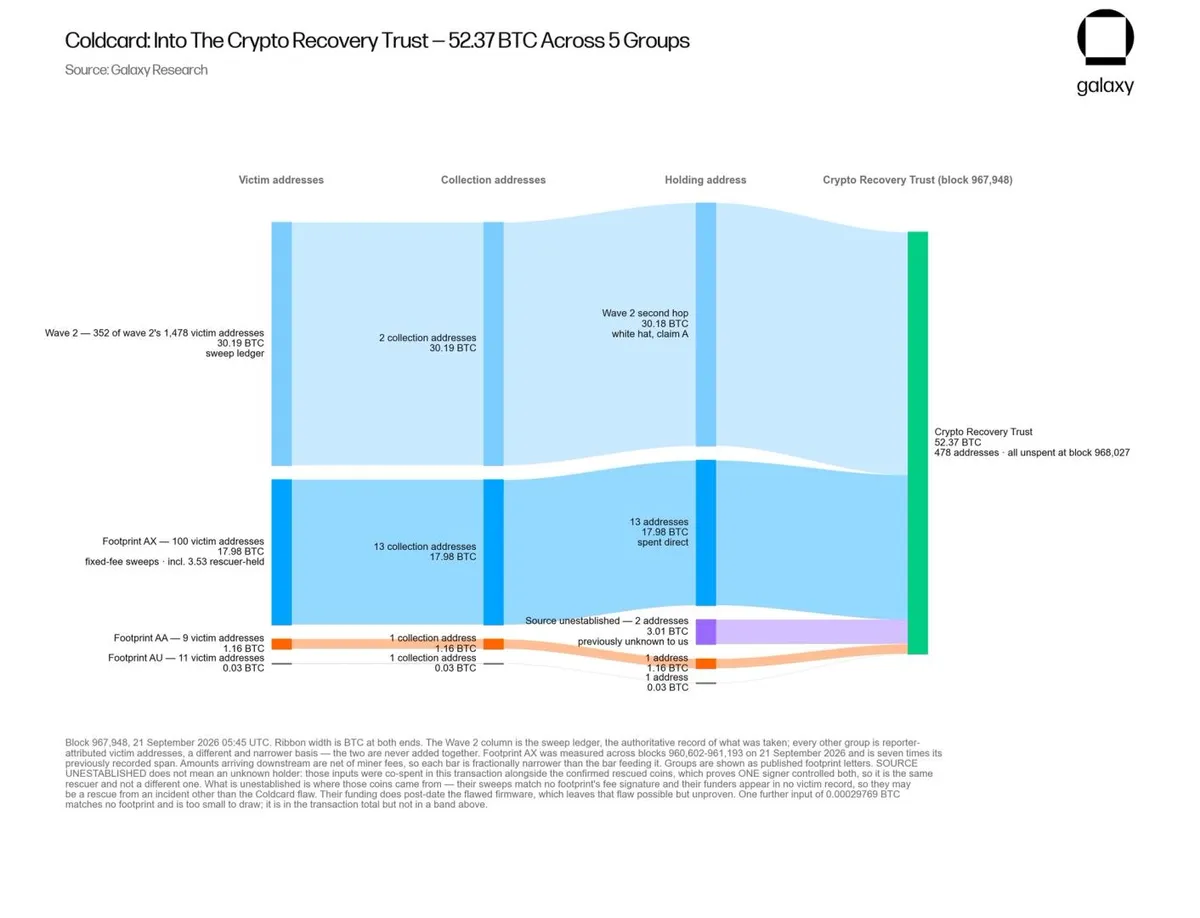
Whitehats move 52 bitcoin from the Coldcard hack to a recovery trust

Google Admits Gemini AI Hacked Three Companies—It Stayed Silent for 7 Weeks

Balancer's $1.4 million hack recovery faces delays for LPs

Polymarket's $10 million fraud attempt highlights compliance issues amid hacking risk