JPMorgan taps both Ethereum and Solana for separate reasons for its institutional cash stack

JPMorgan has recently filed a prospectus for the JPMorgan OnChain Liquidity-Token Money Market Fund, designated by the ticker JLTXX. This fund marks a significant shift in how the banking giant is approaching digital assets, as it aims to invest exclusively in US Treasury securities and overnight repurchase agreements that are collateralized by Treasuries and cash. Notably, the fund is designed to target a net asset value of $1.00, which aligns with the requirements that stablecoin issuers must adhere to in order to maintain their reserves. This move reflects JPMorgan's commitment to integrating blockchain technology into its financial services while providing liquidity options that meet regulatory standards.
The backdrop to this development is a growing acceptance of cryptocurrencies and blockchain technology among traditional financial institutions. Over the past few years, JPMorgan has taken substantial steps to explore the potential of digital assets, including the launch of its own cryptocurrency, JPM Coin, and the establishment of a blockchain network known as the Onyx platform. By investing in Ethereum and Solana, two of the leading blockchain platforms, JPMorgan is positioning itself to leverage the benefits these networks offer, including smart contracts and decentralized finance (DeFi) capabilities. This aligns with the bank's broader strategy to innovate within the financial sector and stay ahead of market trends.
This initiative is notable for its potential impact on the broader cryptocurrency market. By integrating Ethereum and Solana into its institutional cash stack, JPMorgan is signaling a significant endorsement of these platforms, which could encourage other institutions to follow suit. The involvement of a major financial institution like JPMorgan in the crypto space can help legitimize digital assets, potentially attracting more investors and increasing overall market capitalization. Additionally, the emphasis on reserve asset requirements could prompt stablecoin issuers to reassess their reserves and seek more robust backing through traditional financial instruments.
Industry experts have reacted positively to JPMorgan's actions, viewing this as a clear indication of the bank's belief in the future of blockchain technology. Analysts suggest that this move could foster greater trust in digital assets among institutional investors, who may have previously been wary of the volatility associated with cryptocurrencies. The importance of regulatory compliance, as emphasized by JPMorgan's focus on Treasury securities, may also resonate with other financial entities looking to navigate the complex landscape of digital assets while adhering to legal standards.
Looking ahead, it will be interesting to see how JPMorgan's OnChain Liquidity-Token Money Market Fund develops and whether it will influence other banks to adopt similar strategies. As the cryptocurrency space continues to evolve, traditional financial institutions may increasingly look to integrate blockchain technology into their operations, creating new opportunities for innovation and collaboration. This could lead to a more interconnected financial ecosystem, where digital assets and traditional finance coexist and thrive together.

CoinMagnetic Team
Crypto investors since 2017. We trade with our own money and test every exchange ourselves.
Updated: May 2026
From our insights:
Related news

21shares launches first European ETP for Zcash after US ETF debut
Bitcoin ETFs attract nearly $1B in a single day as holders regain profitability
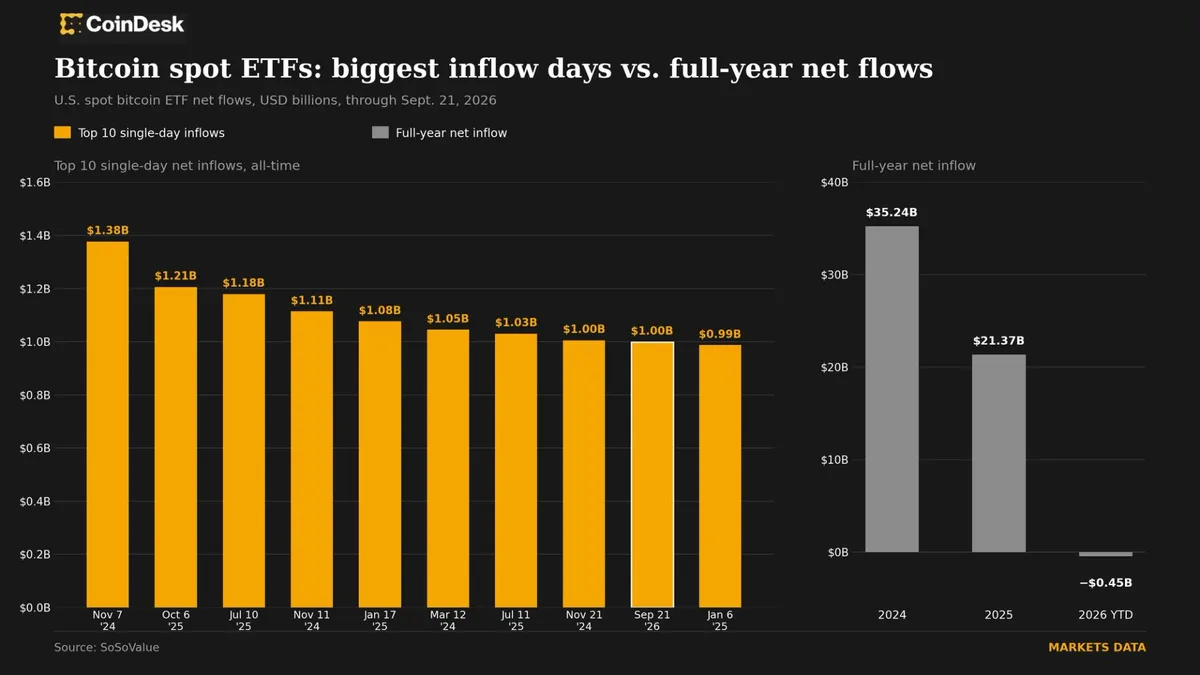
Spot bitcoin ETFs see nearly $1 billion inflow as bitcoin hits January highs

US spot Bitcoin ETFs see nearly $1 billion inflow, highest since October 2025

Bitcoin's rise to $86,000 restores profitability for ETF investors