JPMorgan says bitcoin is gaining over gold as debasement trade after Iran conflict
JPMorgan analysts have recently highlighted a significant shift in investor behavior, indicating that bitcoin is increasingly being favored over gold as a hedge against currency debasement. This change has gained momentum in the wake of escalating tensions surrounding the Iran conflict, leading to heightened economic uncertainties. The report suggests that as geopolitical risks rise, institutional investors are turning to bitcoin not only as a store of value but also as a more dynamic asset that aligns with the modern digital economy.
Historically, gold has been viewed as a safe haven asset during times of crisis, with investors flocking to it to preserve wealth and mitigate risk. However, the emergence of bitcoin as a digital alternative has reshaped this landscape. Bitcoin's fixed supply, established network, and growing acceptance among mainstream financial institutions have contributed to its appeal. The context of the Iran conflict has further amplified these dynamics, with investors seeking assets that can withstand potential currency depreciation and inflationary pressures resulting from geopolitical tensions.
This transition from gold to bitcoin as a preferred debasement trade carries significant implications for the broader financial market. As institutional adoption of bitcoin continues to grow, we may see a shift in market sentiment that could drive prices higher. Furthermore, this trend could lead to increased volatility in both assets, as investor sentiment fluctuates based on global developments. The potential for bitcoin to be viewed as a legitimate alternative to gold could also encourage more widespread acceptance and integration of cryptocurrencies into traditional investment portfolios.
Industry reactions to JPMorgan's assessment have been mixed, with some experts endorsing the shift while others remain skeptical. Proponents argue that bitcoin's decentralized nature and scarcity position it as a superior asset in an era of increasing monetary expansion. On the contrary, skeptics caution against the inherent volatility and regulatory uncertainties surrounding cryptocurrencies, which could undermine their long-term viability as a stable store of value. Still, the conversation around bitcoin's legitimacy as a gold alternative continues to grow, reflecting a broader acceptance of digital assets in the financial ecosystem.
Looking ahead, it will be crucial to monitor how the geopolitical landscape evolves and its impact on investor sentiment toward both bitcoin and gold. As economic uncertainties persist, we may witness further shifts in asset allocation strategies among investors. Additionally, the ongoing dialogue among financial institutions regarding the role of cryptocurrencies could pave the way for new regulations and frameworks that bolster the legitimacy and stability of digital assets in the long run. This ongoing evolution will undoubtedly shape the future of investing and the interplay between traditional and digital assets.

CoinMagnetic Team
Crypto investors since 2017. We trade with our own money and test every exchange ourselves.
Updated: May 2026
From our insights:
Related news

21shares launches first European ETP for Zcash after US ETF debut
Bitcoin ETFs attract nearly $1B in a single day as holders regain profitability
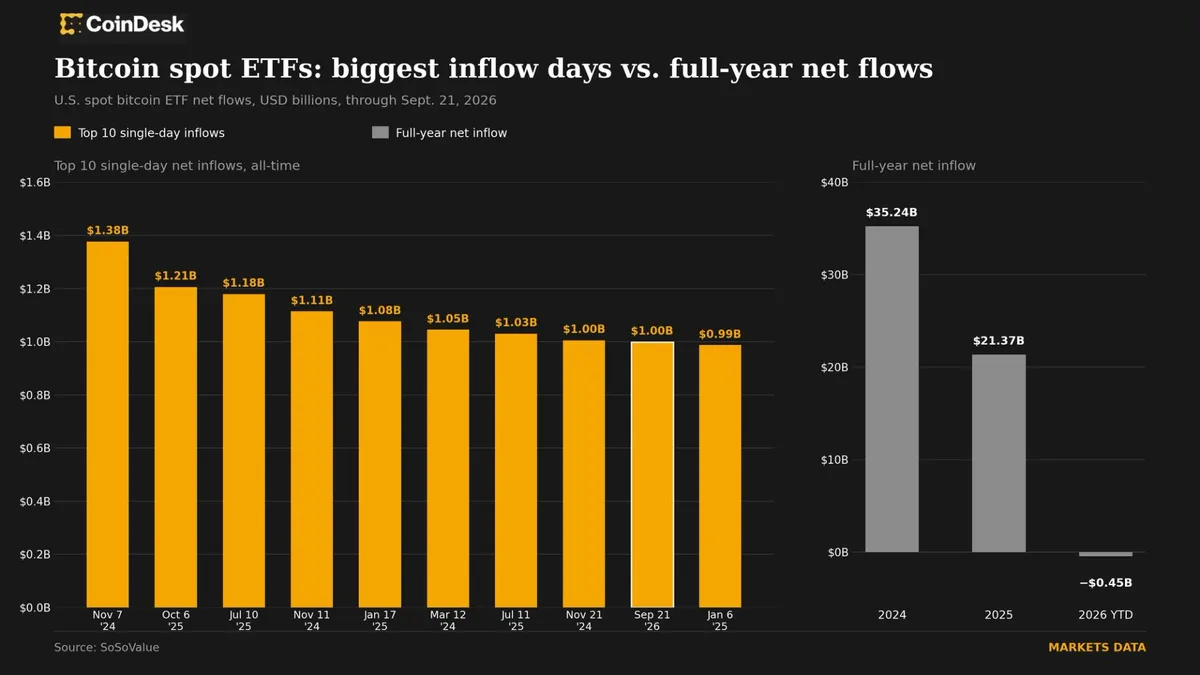
Spot bitcoin ETFs see nearly $1 billion inflow as bitcoin hits January highs
US spot Bitcoin ETFs see nearly $1 billion inflow, highest since October 2025
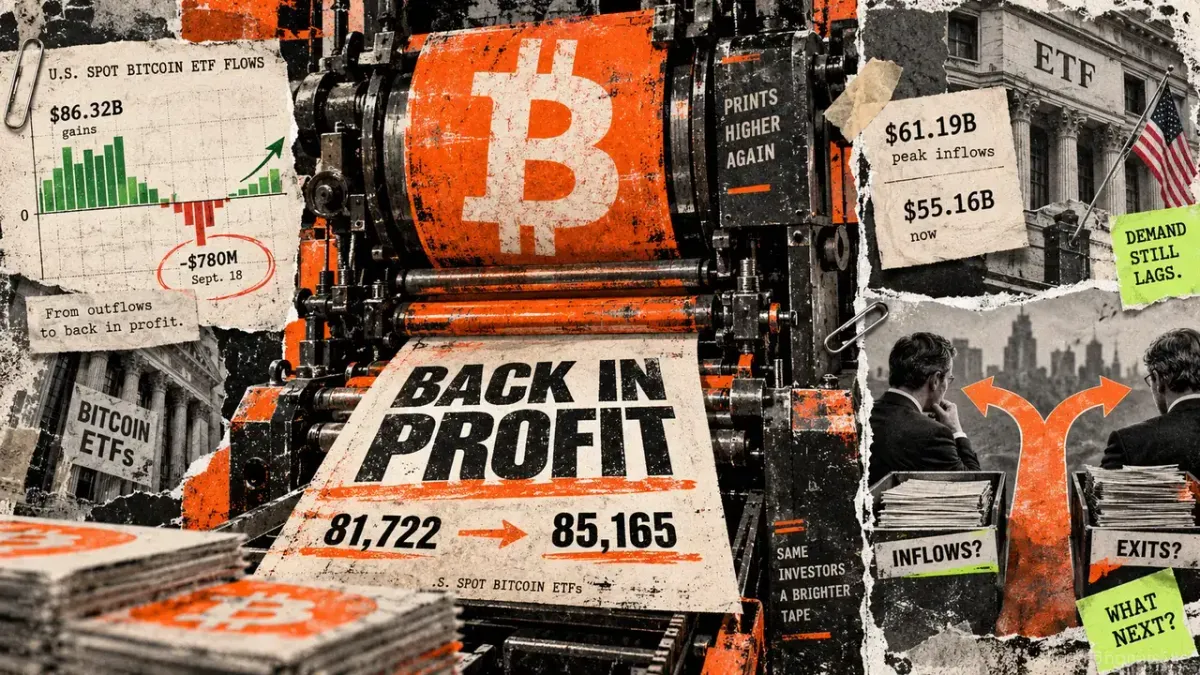
Bitcoin's rise to $86,000 restores profitability for ETF investors