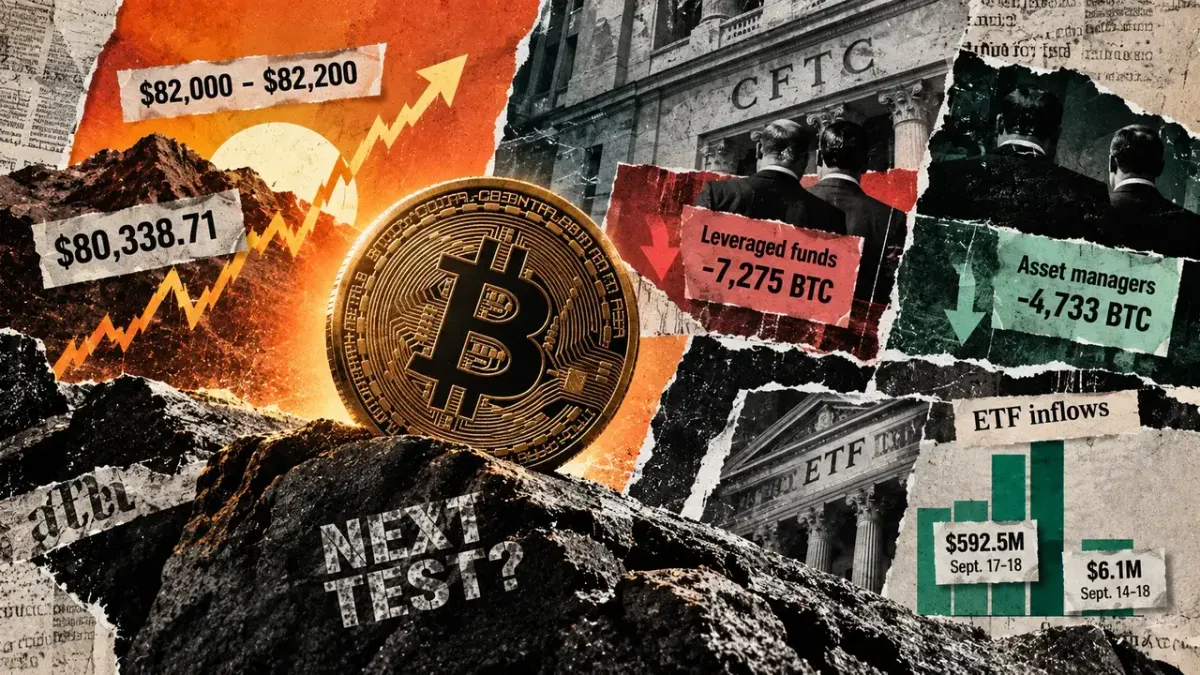
JPMorgan says bitcoin and gold ETF outflows point to ‘cooling’ debasement trade amid hopes for Iran-US deal

Recent analysis from JPMorgan indicates that both bitcoin and gold exchange-traded funds (ETFs) have experienced noticeable outflows over the past fortnight. This trend suggests a significant cooling of the debasement trade–a strategy that has gained traction among investors seeking to hedge against inflation and currency depreciation. The report highlights that the recent shifts in investment patterns may be influenced by evolving geopolitical dynamics, particularly the potential for a diplomatic resolution between the United States and Iran.
To understand this development, it's essential to consider the context surrounding the debasement trade. Over the past few years, as central banks around the world enacted expansive monetary policies, many investors flocked to assets like bitcoin and gold, viewing them as safe havens against currency erosion. This surge in interest had led to substantial inflows into respective ETFs, as investors looked to diversify their portfolios and safeguard their wealth. However, the recent stabilization in global economic conditions and the prospect of easing tensions in the Middle East have prompted some investors to reassess their strategies, resulting in outflows from these traditionally defensive assets.
The implications of these outflows are significant for the broader market. A cooling debasement trade could signal a shift in investor sentiment, as confidence in fiat currencies potentially stabilizes amid geopolitical negotiations. This change might lead to a reevaluation of risk assets, including cryptocurrencies, as investors consider reallocating their capital into sectors that may offer more growth potential. Furthermore, if the ongoing discussions between the U.S. and Iran yield positive outcomes, we could see a resurgence in traditional market investments, which may further diminish the appeal of safe-haven assets.
Industry experts have weighed in on the situation, with many expressing a cautious optimism. Some analysts believe that the cooling of the debasement trade is a natural correction, suggesting that the previous inflows into bitcoin and gold were perhaps overextended. Conversely, others caution that this trend could be a precursor to volatility if macroeconomic conditions shift unexpectedly. The sentiment among asset managers reflects a cautious approach, as they closely monitor both the geopolitical landscape and the potential implications of inflationary pressures moving forward.
Looking ahead, the crypto market will likely be watching the developments surrounding the U.S.-Iran negotiations closely, as any positive breakthroughs could lead to further shifts in investor behavior. Additionally, if the current outflows from bitcoin and gold ETFs continue, we may witness a greater diversification of capital into other areas, including emerging technologies and sectors poised for growth. As the situation unfolds, it will be critical for investors to remain vigilant and adaptable to the ever-changing dynamics of the market.

CoinMagnetic Team
Crypto investors since 2017. We trade with our own money and test every exchange ourselves.
Updated: May 2026
From our insights:
Related news
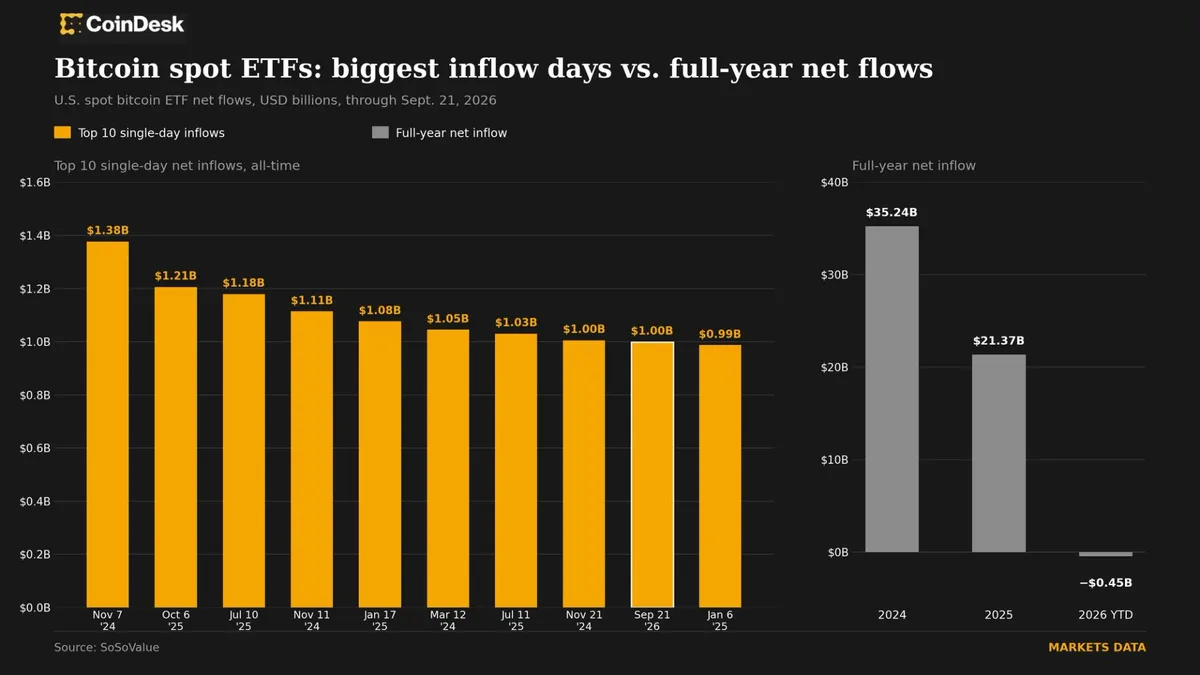
Spot bitcoin ETFs see nearly $1 billion inflow as bitcoin hits January highs

US spot Bitcoin ETFs see nearly $1 billion inflow, highest since October 2025
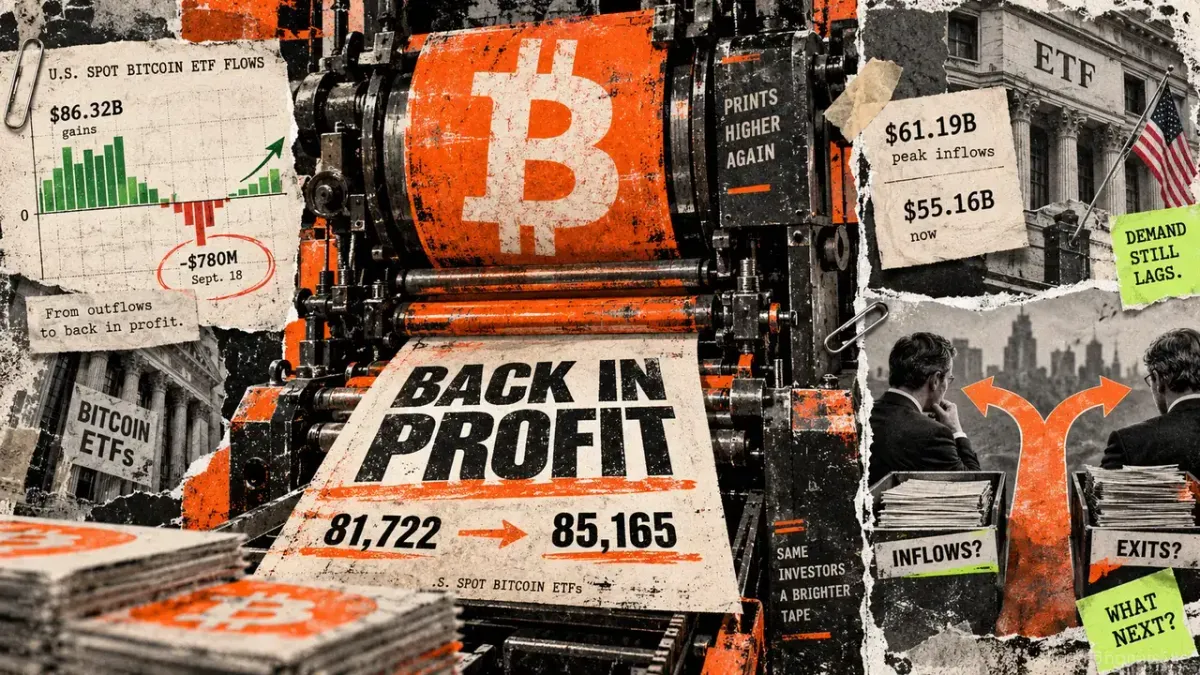
Bitcoin's rise to $86,000 restores profitability for ETF investors

Apple and Google seek crypto experts, signaling potential stablecoin initiatives

ECB initiates bond purchases using its own funds in crypto-linked system