JPMorgan lifts Bitcoin ETF exposure in Q1, led by BlackRock’s IBIT

In a significant move, JPMorgan has increased its exposure to Bitcoin through its investments in exchange-traded funds (ETFs), reporting a substantial 174% rise in its holdings of the BlackRock Bitcoin ETF (IBIT) during the first quarter of the year. This decision reflects the bank's strategic approach to capitalize on the growing interest in digital assets, as it also expanded its investments in other cryptocurrencies, including Ether and Solana. The surge in holdings indicates not only a bullish outlook on Bitcoin but also highlights the increasing acceptance of cryptocurrencies within traditional financial institutions.
JPMorgan's decision comes against a backdrop of a rapidly evolving cryptocurrency landscape, where institutional interest has been on the rise. Over the past few years, many financial giants have started to embrace digital currencies, recognizing their potential for diversification and growth. The approval of Bitcoin ETFs, particularly the ones managed by reputable firms like BlackRock, has paved the way for more mainstream adoption and has provided institutions with a regulated avenue to gain exposure to cryptocurrencies without directly holding the underlying assets.
This increase in Bitcoin ETF holdings is significant for the broader market as it signals a growing institutional confidence in digital currencies. By investing in ETFs, JPMorgan and similar institutions can provide their clients with a way to participate in the crypto market while mitigating some of the risks associated with direct ownership. Furthermore, such moves can encourage other financial entities to consider similar strategies, potentially leading to increased liquidity and investment in the cryptocurrency space.
Industry reactions to JPMorgan's enhanced ETF exposure have been largely positive, with experts noting that this is a clear indicator of the bank's belief in the long-term viability of cryptocurrencies. Analysts suggest that as more traditional financial institutions adopt crypto assets into their portfolios, it could lead to greater stability in the market and may encourage regulatory bodies to provide clearer frameworks for digital assets. Commentators also highlight that JPMorgan's actions are likely to influence other banks and investment firms, prompting them to reassess their own strategies regarding cryptocurrency investments.
Looking ahead, it will be interesting to see how JPMorgan’s increased exposure affects its overall business strategy and whether it leads to further diversification into other digital assets. As the market matures, the bank may explore additional cryptocurrency-related products or services, especially if regulatory frameworks become more favorable. The ongoing developments in the cryptocurrency sector will undoubtedly shape the future of institutional investment, and JPMorgan's proactive stance may set a precedent for others in the industry.

CoinMagnetic Team
Crypto investors since 2017. We trade with our own money and test every exchange ourselves.
Updated: May 2026
From our insights:
Related news
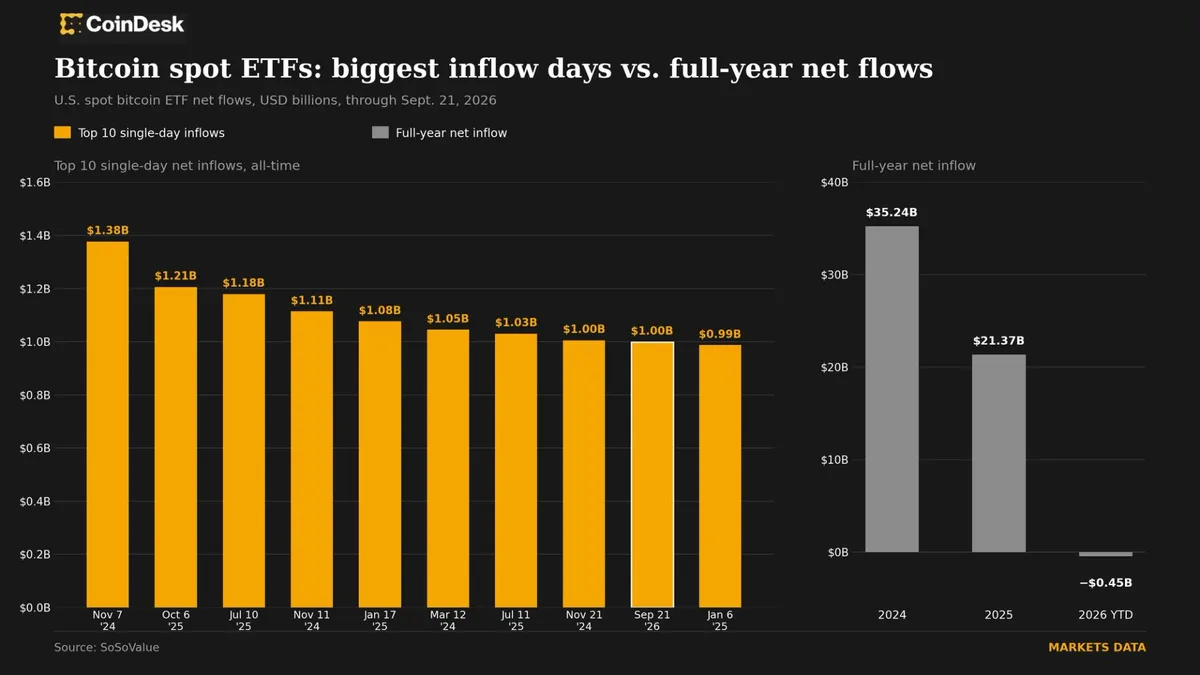
Spot bitcoin ETFs see nearly $1 billion inflow as bitcoin hits January highs

US spot Bitcoin ETFs see nearly $1 billion inflow, highest since October 2025

Bitcoin's rise to $86,000 restores profitability for ETF investors

Apple and Google seek crypto experts, signaling potential stablecoin initiatives

ECB initiates bond purchases using its own funds in crypto-linked system