Jerome Powell Supports Fed's New Stablecoin Policies—But Chair Kevin Warsh Abstains
The recent announcement from the Federal Reserve regarding new stablecoin policies has drawn significant attention in the crypto community. Jerome Powell, the Federal Reserve Chair, expressed his support for the proposed rulemaking that outlines how U.S. crypto companies will be required to screen stablecoin customers. This initiative follows the passage of the GENIUS Act, which aims to create a regulatory framework for stablecoins, ensuring they adhere to specific guidelines designed to enhance consumer protection and financial stability. However, not all members of the Federal Reserve are in agreement, as Chair Kevin Warsh abstained from the decision, highlighting a divide in the approach to cryptocurrencies among policymakers.
To provide some context, the GENIUS Act was introduced to address the growing concerns around the use and regulation of stablecoins, which have gained significant traction in recent years. These digital assets are pegged to traditional currencies, like the U.S. dollar, and are designed to provide stability in an otherwise volatile market. With increasing adoption and use cases for stablecoins in various sectors, including finance and commerce, regulators have been under pressure to establish clear rules to protect consumers while fostering innovation. The proposed rulemaking is a step towards creating a structured environment for these digital assets, balancing the benefits of technological advancement with the need for oversight.
The implications of this new policy are profound for the crypto market. By establishing clear guidelines for customer screening, the Federal Reserve aims to enhance the legitimacy of stablecoins and increase confidence among users and investors. This move could lead to a more structured market environment, potentially attracting institutional investors who have been hesitant to engage with cryptocurrencies due to regulatory uncertainties. Furthermore, it may pave the way for more robust regulatory frameworks in other areas of the crypto space, impacting the overall perception and adoption of digital currencies.
Industry reactions to Powell's support have been largely positive, with many experts acknowledging the necessity of a regulatory framework for stablecoins. Some industry leaders view this as an opportunity for the crypto market to mature and gain broader acceptance within the financial system. However, Warsh's abstention raises questions about the internal divisions within the Federal Reserve regarding the approach to digital currencies. Critics argue that such disagreements could hinder the swift implementation of necessary regulations, leaving the market in a state of uncertainty.
Looking ahead, the next steps will involve the Federal Reserve and other regulatory bodies working on the specifics of the proposed rulemaking. Stakeholders in the crypto market will be closely monitoring these developments, as they could influence the direction of stablecoin usage and regulation in the U.S. If implemented effectively, these policies may lead to a more stable and trustworthy environment for stablecoin transactions, ultimately shaping the future landscape of the digital asset market.

CoinMagnetic Team
Crypto investors since 2017. We trade with our own money and test every exchange ourselves.
Updated: June 2026
From our insights:
Related news
Iran hints at reopening Strait of Hormuz, WTI oil drops to $89

New altseason signal emerges as Bitcoin market cap stays under 60%

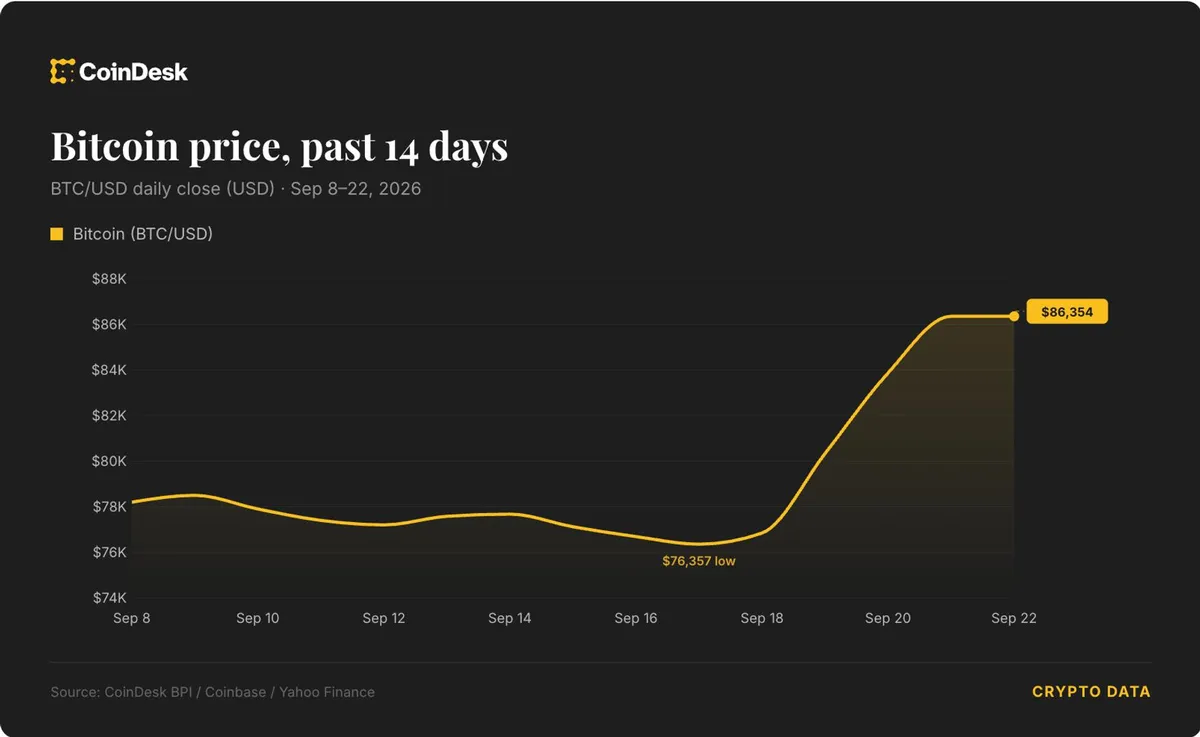
Bitcoin nears $86,000 as crypto market cap surpasses $3 trillion

Bitcoin's weekly close above $81,000 signals potential rise to $90,000

Elon Musk's X integrates bitcoin trading options for U.S. users